How to Choose PVC Resin Suppliers in 2026?
Choosing a pvc resin supplier in 2026 is not just a price comparison. Resin consistency can affect processing speed, finished-product quality, and production waste. The OECD’s 2022 Global Plastics Outlook estimates that global plastics production reached 460 million tonnes in 2019, double its 2000 level. This figure covers all plastics, not PVC alone, but it shows the scale of a supply chain where small specification differences matter. Details matter.
A practical supplier review starts with the intended application and grade requirements. Compare technical data sheets for K-value, bulk density, residual volatiles, and particle characteristics. Then check recent certificates of analysis against your own incoming inspection results. A polished document is not proof of a stable batch. Ask how the supplier manages lot traceability, production capacity, packaging, lead times, and shipment updates. Request samples when specifications or processing conditions change. Verify that quality claims are supported by current records, not just sales language.
Price still counts. But a low quote can become expensive if deliveries arrive late or batches behave differently on the production line. I have seen purchasing teams focus on the unit price and overlook the cost of interruptions. That is easy to miss. This guide explains how to assess suppliers using evidence, technical fit, and realistic supply planning. No checklist replaces a plant trial, and even a careful review cannot eliminate every risk. It can, however, help buyers ask sharper questions before committing to a long-term contract.

Define Your PVC Resin Grade, Volume, and Application Requirements
How to Choose PVC Resin Suppliers in 2026?
Before requesting quotations, define the resin grade your process actually needs. Specify suspension or emulsion resin, target K-value, particle size, and relevant porosity or plasticizer-absorption requirements. Match these details to the end use: rigid pipe, window profiles, flexible cable compounds, or coated fabrics can require different processing behavior. Small differences matter.
Describe your application in practical terms. Note the processing method, operating temperature range, additives, and any surface or strength targets. If possible, share a representative formulation or test method, while protecting confidential details. Ask suppliers for current technical data sheets and batch certificates, then compare values against your own acceptance limits. Numbers alone mislead. A resin may meet a headline specification yet behave differently on your production line.
Give realistic volume estimates, including typical monthly demand, seasonal peaks, packaging needs, and delivery locations. Separate forecast volume from firm orders; otherwise, a supplier may quote capacity you cannot use. Request samples for controlled trials and record settings, output, scrap, and finished-product results. It is tempting to choose the lowest price. Still, an unclear grade or inconsistent supply can cost more through slower production and rejected batches. Revisit your specification after the trial; some requirements may prove unnecessary, while one overlooked detail may matter more than expected.
Build a Shortlist of Suppliers with Relevant 2026 Market Coverage
Build a shortlist around the PVC resin grades you actually use, not a supplier’s broad product catalogue. Record the relevant suspension or emulsion grades, typical specifications, available packaging, and minimum order quantities. Ask which grades are stocked for your target delivery region in 2026 and which require production scheduling. A clear answer matters.
Check market coverage at the level of practical delivery. Can the supplier quote a realistic lead time to your plant, explain its shipping options, and identify where inventory is held? Request recent, redacted examples of specification sheets and shipment records. Compare quoted availability with your own order size and timing. Plans change.
For each candidate, verify how often specifications are updated and how quickly the team responds to technical questions. Ask how it communicates changes in lead times or grade availability; test that process with a specific scenario. A polished forecast is not proof of dependable supply. Keep a few qualified alternatives, but avoid treating every listed grade as interchangeable. Even experienced buyers can overlook a small specification difference when comparing offers quickly. Note uncertainties in the shortlist, then revisit them before placing a trial order.
How to Choose PVC Resin Suppliers in 2026?
Build a shortlist of suppliers with relevant 2026 market coverage
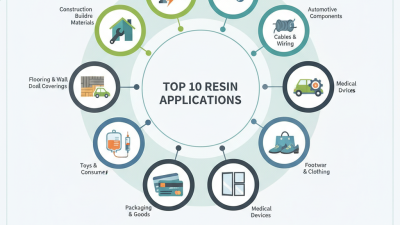
Pipes and fittings represent the largest PVC end-use segment in commonly reported global industry estimates. Use this application mix as a starting point when checking whether shortlisted suppliers offer suitable resin grades, dependable regional delivery, and the technical documentation your products require. Shares are approximate and vary by region and source.
Compare Pricing, Production Capacity, Lead Times, and Delivery Options
How to Choose PVC Resin Suppliers in 2026?
Choosing PVC resin suppliers means comparing the full supply picture, not just the price per tonne. Request quotes for the same grade, packaging, order volume, and delivery terms. A lower figure may exclude freight, pallet costs, or handling fees. Ask whether pricing stays fixed during the order period or may change. Keep the comparison in writing.
Production capacity matters when demand rises or a production line needs quick replenishment. Ask about typical monthly output, current allocations, and the order sizes they can fulfill consistently. Compare stated lead times with recent shipment records, not only estimates. A dispatch promised in seven days may still face port congestion or limited truck availability. That gap matters. Confirm minimum order quantities, stock locations, shipment frequency, and whether split deliveries are available. Delivery options should fit your warehouse’s unloading hours and storage limits.
Tips: Request sample schedules for both normal and peak months. Ask how delays are reported and who updates your team. Compare delivered cost per tonne, not just the headline quote. A cheap shipment arriving too early can fill valuable storage space. I would still verify performance; supplier documents can look tidy, while actual delivery patterns are less neat.
Verify Contracts, Supply Risks, and Ongoing Supplier Support
How to Choose PVC Resin Suppliers in 2026?
Verify Contracts, Supply Risks, and Ongoing Supplier Support
A reliable PVC resin supplier should be judged by more than a quoted price. Read the contract for grade specifications, acceptable tolerances, packaging, delivery windows, and payment terms. Ask how feedstock shortages or transport delays are communicated, and whether allocations can change without notice. A vague clause can turn a brief delay into a production problem. Keep written records.
Tips: Request a recent certificate of analysis for the exact resin grade, then compare its values with your process requirements. Confirm who handles damaged bags, short shipments, and technical questions after delivery. When practical, test a small lot; paperwork alone cannot show how resin performs in your equipment. Details matter.
Check supply risks with specific questions: typical lead times, available backup inventory, and plans for plant or port disruptions. For ongoing support, identify a contact and agree on a response time for quality concerns. Ask for advance notice of specification or packaging changes. No supplier can promise perfect continuity. A candid answer may be more useful than polished assurances, but verify it with records and references.