Top 10 PVC Moulding Machines for Global Buyers in 2026?
In the evolving world of manufacturing, the demand for efficient and reliable PVC moulding machines is on the rise. These machines play a crucial role in producing high-quality plastic products. As the market grows, selecting the right machine becomes vital for global buyers, especially in 2026.
Industry experts predict significant advancements in technology. Buyers will look for machines that not only enhance productivity but also reduce environmental impact. Innovations in design and functionality can influence buyers' choices. However, potential buyers must consider their specific production needs, budget constraints, and supplier reliability.
Navigating through the top options may be challenging. Each PVC moulding machine presents unique features and potential drawbacks. It is essential to weigh the benefits against any limitations. This overview aims to provide insights into the leading machines available, enabling buyers to make informed decisions in a competitive global market.
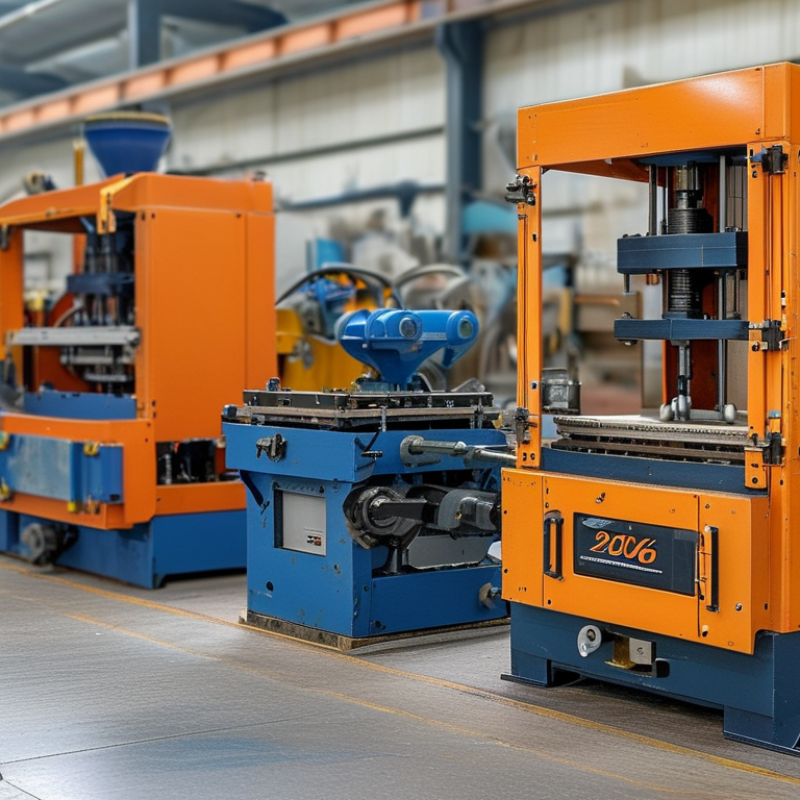
Overview of PVC Moulding Machines and Their Importance in Manufacturing
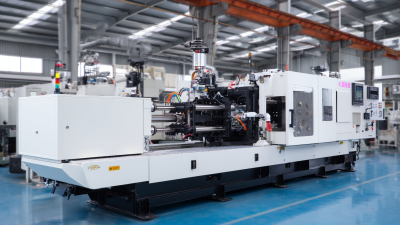
PVC moulding machines play a crucial role in the manufacturing sector. They are essential for producing various plastic components. These machines can shape, cut, and finish PVC materials efficiently. Their precision ensures that products meet strict quality standards. In industries like construction and automotive, the demand for high-quality PVC parts is rising.
Understanding the significance of these machines is vital. They contribute to sustainability by enabling the use of recycled materials. This aspect enhances the environmental footprint of manufacturing. Investing in advanced PVC moulding technology is necessary for companies aiming to stay competitive. However, many companies struggle with the initial costs and technical know-how, which can be barriers.
Despite the advantages, challenges exist in the operational aspects of PVC moulding machines. Overheating and maintenance issues can impact productivity. Manufacturers must regularly evaluate their equipment to ensure efficiency. Continuous learning and adaptation are fundamental in this ever-evolving industry. As technology advances, staying informed is essential for maximizing the potential of PVC moulding machines.
Top 10 PVC Moulding Machines for Global Buyers in 2026
| Machine Model |
Production Capacity (kg/h) |
Power Requirement (kW) |
Size (L x W x H, mm) |
Weight (kg) |
Features |
| PVC-M-1000 |
500 |
15 |
2000 x 1200 x 1500 |
800 |
Automatic, Energy-efficient |
| PVC-M-2000 |
800 |
20 |
2500 x 1500 x 1600 |
950 |
Multi-function, High precision |
| PVC-M-3000 |
1000 |
25 |
3000 x 1800 x 1700 |
1200 |
User-friendly interface, Rapid cycle |
| PVC-M-4000 |
1200 |
30 |
3500 x 2000 x 1800 |
1500 |
High output, Low maintenance |
| PVC-M-5000 |
1500 |
35 |
4000 x 2200 x 1900 |
1800 |
Advanced automation, Durable |
| PVC-M-6000 |
2000 |
40 |
4500 x 2400 x 2000 |
2100 |
Versatile functions, Reliable performance |
| PVC-M-7000 |
2200 |
45 |
5000 x 2600 x 2100 |
2400 |
Enhanced safety features, Compact design |
| PVC-M-8000 |
2500 |
50 |
5500 x 2800 x 2200 |
2700 |
Optimized workflow, High scalability |
| PVC-M-9000 |
2800 |
55 |
6000 x 3000 x 2300 |
3000 |
Cutting-edge technology, Energy-saving |
| PVC-M-10000 |
3000 |
60 |
6500 x 3200 x 2400 |
3500 |
Innovative features, High durability |
Criteria for Selecting the Best PVC Moulding Machines for Global Buyers
When selecting the best PVC moulding machines, buyers should consider several key criteria. Efficiency is paramount. Machines should minimize energy usage while maximizing output. According to industry reports, energy-efficient machines can reduce costs by up to 30%, making them attractive options for global buyers.
Another important factor is versatility. The ability to handle various types and sizes of PVC materials greatly enhances operational flexibility. Buyers should look for machines that offer adjustable settings to accommodate different production needs. Data shows that versatile machines can lead to a 25% increase in project efficiency, ensuring businesses meet diverse market demands.
Tip: Always review user feedback to gauge machine performance in real-world settings.
Durability is a must. High-quality components prolong machine life and reduce maintenance costs. A well-built machine can operate effectively for over a decade with minimal downtime. Furthermore, consider the availability of spare parts and after-sales support, which are crucial for smooth operations.
Tip: Investing in training for operators enhances machine productivity and reduces errors. Evaluation of these criteria will lead to informed decisions that align with operational goals in the PVC moulding industry.
Top 10 PVC Moulding Machines: Features, Specifications, and Pricing
When exploring the top PVC moulding machines for 2026, buyers should focus on key features, specifications, and pricing. Efficiency is crucial. Look for machines that offer rapid cycle times and low energy consumption. This balance leads to increased productivity while minimizing operating costs.
Understanding the specifications is vital. Buyers should prioritize machines with precise temperature control. This ensures consistent product quality. Also, weight and dimension specifications impact the installation process. Evaluate your workspace carefully before making a choice.
Here’s a tip: always read customer reviews. They provide insights beyond the specifications. Real-world experiences can highlight potential issues in specific models.
Consider pricing carefully. While lower-cost options may seem tempting, they often come with compromises. It's worth investing in quality for long-term reliability. A cheaper machine may incur higher repair costs down the line.
Lastly, verify the warranty terms before purchasing. This can offer peace of mind. Ensure you know what is covered and for how long. A reliable warranty reflects confidence in the machine’s durability.
Top 10 PVC Moulding Machines: Performance Comparison in 2026
Emerging Trends in PVC Moulding Technology and Innovations for 2026
The PVC moulding industry is evolving rapidly, driven by technology and innovation. Advanced machinery is enhancing efficiency and product quality. Automation plays a pivotal role, allowing for quicker production cycles. Machines now feature intuitive interfaces for better user experience. These developments enhance productivity and reduce labor costs.
Sustainability is shaping the future of PVC moulding. Manufacturers are focusing on eco-friendly materials and recycling methods. This shift not only meets regulations but also caters to environmentally conscious consumers. The integration of smart technologies also promotes resource efficiency. These innovations are not always perfect; balancing cost and sustainability is a challenge.
Emergent trends suggest a push for customization in moulding processes. Adaptable machines can handle various designs and sizes with ease. However, this versatility often leads to complexity in operations. Training staff to operate these advanced systems is crucial. Continuous learning and adaptation will drive success in 2026.
Market Analysis: Demand and Supply of PVC Moulding Machines Globally
The global demand for PVC moulding machines has seen significant growth. As industries embrace sustainability, these machines are essential for producing eco-friendly products. The efficiency of PVC moulding processes leads to reduced waste and energy consumption. However, the supply chain faces challenges. Disruptions due to global events have affected manufacturing timelines and material availability.
Market analysis reveals a diverse landscape. Emerging economies show increasing investment in PVC technologies. Companies seek advanced machinery for better production rates. Yet, the competition for high-quality components is fierce. Many manufacturers struggle to meet the rising expectations for precision and durability. Some machines still fall short in efficiency. This creates a gap for improvement.
Buyers are looking for reliable, innovative solutions. They desire machines that integrate seamlessly into existing workflows. However, not all suppliers provide comprehensive after-sales support. This can lead to operational downtimes. Thus, understanding the technical specifications and manufacturer reputation is vital. Buyers need a thorough evaluation before making decisions. The landscape is ever-evolving, and adaptability is a key factor in long-term success.