What is PVC Plastic and Its Benefits for Global Buyers?
PVC plastic, or polyvinyl chloride, is a versatile material widely used across various industries. According to a report by the Plastics Industry Association, PVC plastic accounts for around 18% of the total plastics market. Its durability and resistance to environmental factors make it a preferred choice for construction, healthcare, and consumer goods.
Expert David Thompson, a noted authority in the plastics sector, emphasized, "PVC plastic is essential for sustainable development due to its recyclability and cost-effectiveness." This characteristic makes it appealing to global buyers seeking reliable materials. The significance of PVC plastic is clear, yet there remain concerns about its environmental impact throughout its lifecycle.
While PVC plastic offers numerous benefits, the industry must address sustainability challenges. For example, the production process can generate harmful emissions if not managed properly. Striking a balance between utilizing PVC plastic's advantages and minimizing its ecological footprint is crucial for future progress.
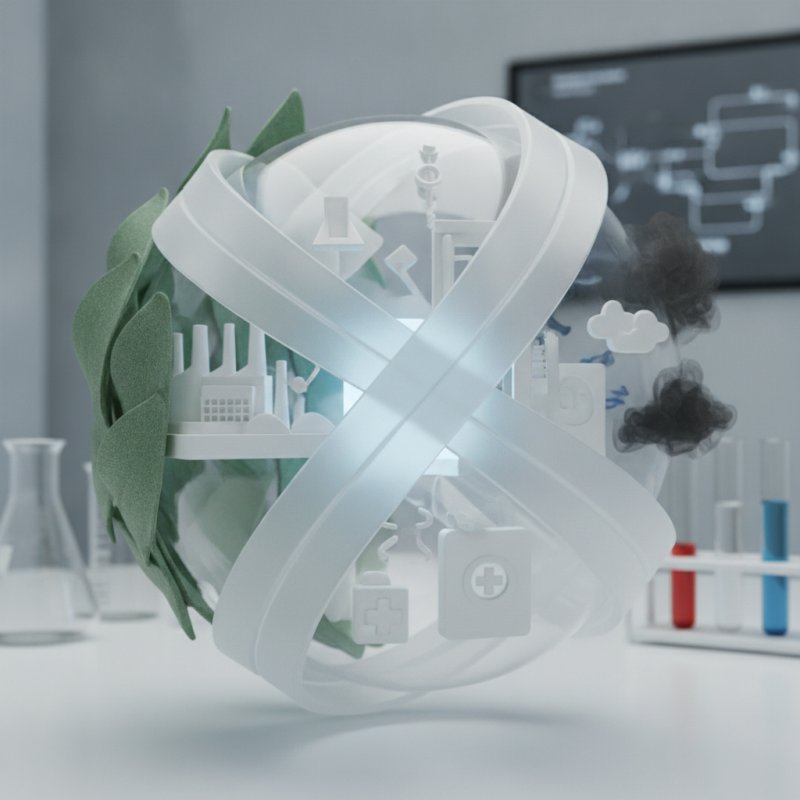
Definition and Composition of PVC Plastic
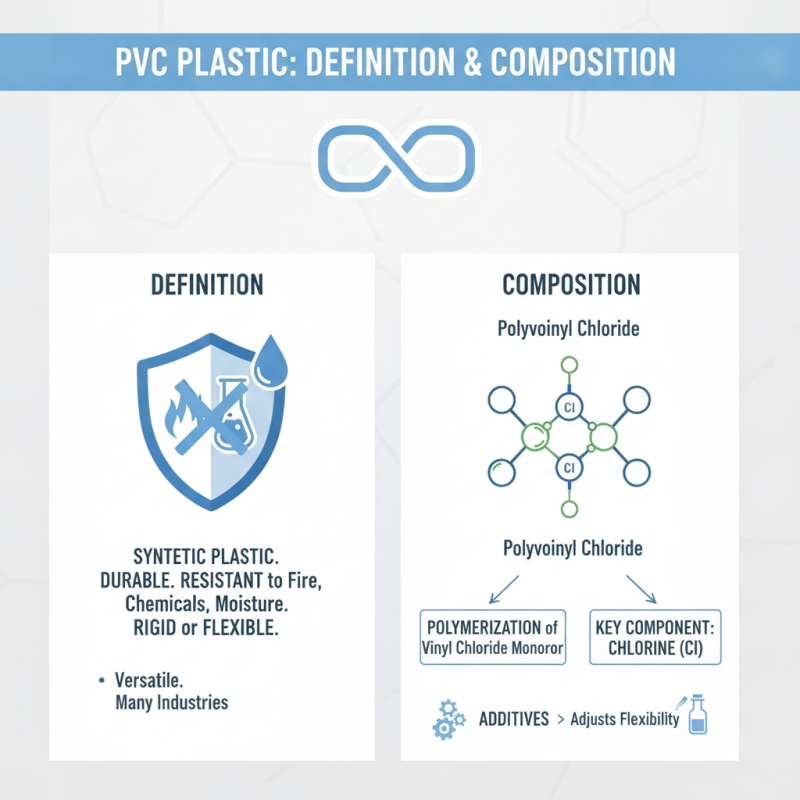
PVC, or polyvinyl chloride, is a widely used synthetic plastic that offers numerous benefits across various industries. This versatile material is created through the polymerization of vinyl chloride monomer. Its chemical structure allows it to be rigid or flexible, depending on the additives used in its formulation. PVC contains chlorine, which contributes to its durability and resistance to fire, chemicals, and moisture.
One of the significant benefits of PVC plastic is its cost-effectiveness. It is relatively inexpensive to produce compared to other materials. This affordability makes it an attractive option for global buyers looking for reliable packaging solutions, pipes, and electrical insulation. However, PVC has faced scrutiny due to environmental concerns related to its lifecycle. The production and disposal of PVC can release harmful substances.
Despite these challenges, PVC's advantages often outweigh the negatives. Its longevity means products made from PVC can last for decades, reducing the need for frequent replacements. It is essential for buyers to weigh these factors and consider the implications of their decisions. Embracing sustainable practices in sourcing and disposing of PVC can lead to a balanced approach that benefits both business and the environment.
Key Properties and Characteristics of PVC Plastic
PVC plastic is widely recognized for its versatile properties. It is a synthetic polymer that brings durability and resistance to various elements. One of its key characteristics is its excellent chemical resistance. This property makes it ideal for applications in industries like construction and healthcare, where it can withstand harsh environments.
Another notable benefit of PVC is its lightweight nature. This makes it easy to transport and handle, reducing shipping costs for global buyers. Additionally, PVC offers good thermal insulation properties. It helps improve energy efficiency in buildings and reduces overall heating and cooling costs.
Despite its advantages, there are concerns regarding PVC's environmental impact. Its production can lead to harmful emissions. Buyers must weigh these factors against the benefits. Responsible sourcing and recycling can help mitigate issues. Overall, understanding the properties of PVC can guide buyers in making informed choices.
Benefits of PVC Plastic for Global Buyers
Applications of PVC Plastic in Various Industries
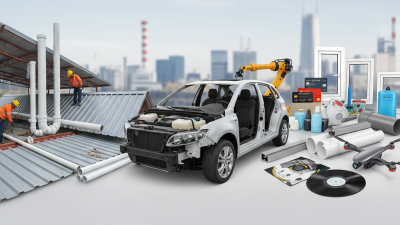
PVC plastic, or polyvinyl chloride, has become a crucial material across various industries. Its versatility allows it to be used in construction, healthcare, and even entertainment. In construction, PVC is often employed for pipes, siding, and window frames due to its durability and resistance to corrosion. It is lightweight, making transportation easier, and its insulation properties contribute to energy efficiency.
In healthcare, PVC is commonplace for medical devices, such as IV bags and tubing. Its hygienic nature is vital for patient safety. Additionally, the flexibility of PVC allows for safe and effective application in various medical supplies. In the entertainment sector, PVC is utilized in creating inflatable toys and decorations, offering a colorful and appealing design that attracts consumers.
Tips: When considering PVC for your projects, focus on quality. Assess the material specifications carefully. Not all PVC is created equal, and some varieties may not suit your needs. Always research suppliers to ensure reliability and safety standards.
Another tip is to consider the environmental impact. PVC can be recycled, but it requires proper processing. Think about your end-of-life strategy for products made from PVC. This consideration can lead to more sustainable practices. Embracing responsible sourcing can enhance the credibility of your business as a global buyer.
Advantages of PVC Plastic for Global Buyers
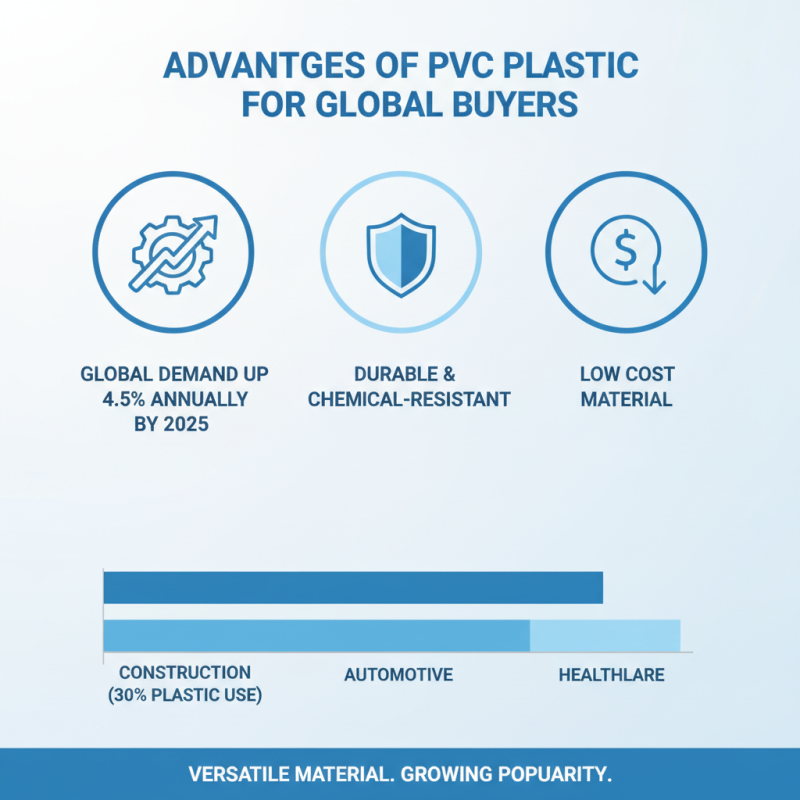
PVC plastic, or polyvinyl chloride, is a versatile material with significant benefits for global buyers. It accounts for around 30% of plastic consumption in construction and is once again rising in popularity. Its durability, resistance to chemicals, and low cost make it appealing across various industries, including construction, automotive, and healthcare. Many reports suggest that by 2025, demand for PVC plastic is expected to increase by over 4.5% annually.
One of the main advantages for buyers is the sustainability aspect. PVC is recyclable, reducing its environmental impact. It can be repurposed into new products, which can help companies meet regulatory standards and showcase their commitment to sustainability. High-performance applications, such as pipes and fittings, benefit from the robustness of PVC. Data shows that PVC pipes can last over 50 years with minimal maintenance.
Tip: Evaluate your supplier's recycling program. Ensure they adhere to industry best practices.
Another benefit is the cost-effectiveness of PVC compared to other materials. Its production costs are lower, and it offers excellent longevity. This affordability allows companies to allocate savings to other areas. However, some challenges exist. For instance, companies must ensure that the PVC they use meets safety regulations in their respective regions, particularly in the healthcare sector.
Tip: Always verify compliance with local regulations for PVC products.
Environmental Considerations and Recycling of PVC Plastic
PVC plastic, widely known for its versatility, has significant environmental considerations that buyers must acknowledge. This material is durable and can be used in a variety of applications, from pipes to flooring. However, the production and disposal of PVC raise environmental concerns. Harmful chemicals may be released during its manufacturing process. Additionally, incinerating PVC can produce toxic emissions.
Recycling PVC presents a solution to its environmental impact. While the recycling rate for PVC is lower than that of other plastics, efforts are increasing. Many organizations aim to improve collection and recycling systems. Some countries have implemented strict regulations to ensure proper disposal. However, challenges remain. Education about the benefits of PVC recycling is still lacking in many regions. As a result, less than optimal recycling practices persist.
Global buyers need to weigh the benefits against environmental concerns. The lifecycle of PVC should be considered. Buyers should encourage manufacturers to adopt sustainable practices. Engaging in responsible sourcing and emphasizing recycling can help minimize the overall impact of PVC on our planet. A shift toward better management is essential, but progress takes time.
What is PVC Plastic and Its Benefits for Global Buyers? - Environmental Considerations and Recycling of PVC Plastic
| Property |
Description |
Benefit |
| Durability |
PVC is strong and resistant to wear and tear. |
Long-lasting products reduce the need for frequent replacements. |
| Lightweight |
Compared to other materials, PVC is lightweight. |
Easy to transport and handle, reducing shipping costs. |
| Chemical Resistance |
Resistant to a variety of chemicals and fluids. |
Ideal for construction and medical applications. |
| Cost-effective |
Generally lower material costs compared to alternatives. |
Accessibility in projects with budget constraints. |
| Recyclability |
PVC can be recycled into new products. |
Supports sustainability and reduces waste. |
| Versatility |
Can be molded into various shapes and forms. |
Wide range of applications across different industries. |