Top 10 PVC Moulding Machines for Global Buyers?
As the demand for PVC products continues to rise, the significance of investing in a reliable PVC moulding machine has never been greater. According to industry reports, the global PVC market is set to reach $50 billion by 2025, showcasing an annual growth rate exceeding 5%. This trend highlights the necessity for manufacturers to optimize production processes and enhance operational efficiency.
Choosing the right PVC moulding machine can be a complex task. Different machines offer varying specifications and capabilities, which can overwhelm potential buyers. Factors such as machine durability, energy efficiency, and production capacity directly impact profitability. Reports indicate that high-quality moulding machines can reduce production costs by up to 30%. However, not all manufacturers achieve these outcomes due to suboptimal machinery choices.
Additionally, the rapid developments in technology pose a challenge for traditional manufacturers. Failure to adapt can result in increased downtime and lost market opportunities. Investing in the best PVC moulding machine can significantly improve product quality and production speed. Buyers must critically evaluate their options while remaining aware of potential pitfalls in the selection process.
Overview of PVC Moulding Machines and Their Applications
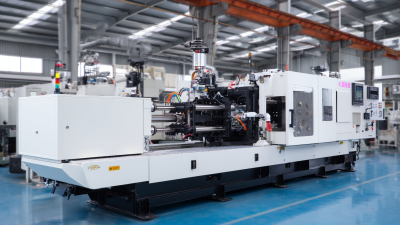
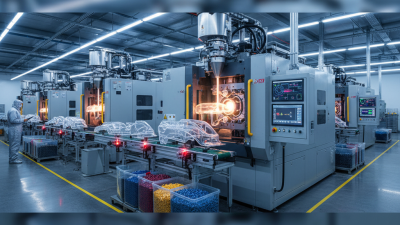
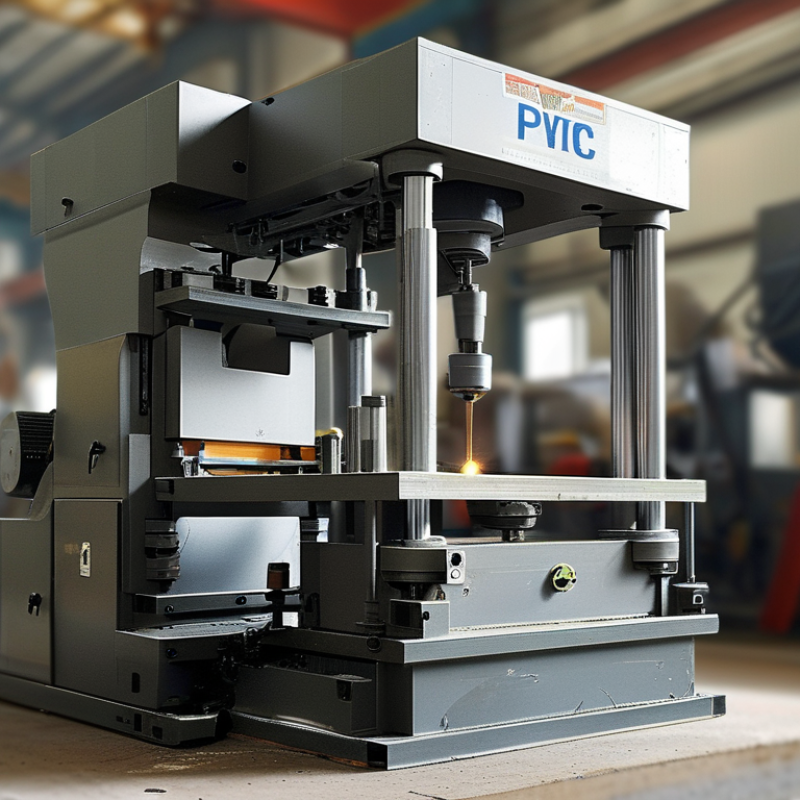
PVC moulding machines play a crucial role in various industries. They shape and form PVC materials into functional and decorative products. These machines are commonly used in construction, furniture, and automotive applications. According to industry reports, the global PVC moulding machine market is projected to grow at a CAGR of 5.8% from 2021 to 2027. This growth highlights the increasing demand for PVC products and the efficiency these machines bring to production processes.
In construction, PVC moulding machines are instrumental in creating window frames, siding, and interior trim. These products require precision and consistency. The ability to produce intricate designs quickly is a key advantage of these machines. In the automotive industry, they are used to manufacture various components like dashboards and door panels. This versatility showcases the adaptability of PVC moulding technology.
Despite their benefits, several challenges exist. Machine downtime for maintenance can disrupt production. Additionally, varying material quality may affect the output. Many manufacturers face difficulties in finding skilled operators. Addressing these issues requires investment in training and technology. Ensuring machine reliability while navigating these challenges remains crucial for maximizing productivity in the sector.
Key Features to Consider When Choosing a PVC Moulding Machine
When selecting a PVC moulding machine, various key features are vital for ensuring efficiency and quality. The machine's capacity plays a crucial role. It should match production demands. Research by the International Plastics Association shows that machines with higher throughput rates can reduce operational costs by up to 20%. This efficiency becomes essential as production scales increase.
The technology used in the moulding process is also significant. Advanced features like temperature control and automated settings enhance consistency and reduce error rates. According to a report from the Modern Manufacturing Institute, these technologies can improve product quality by over 30%. Buyers should focus on machines with easy-to-use interfaces to simplify operation and training. Simple controls can enhance productivity which can be vital in fast-paced environments.
Don’t overlook maintenance and support aspects when investing. Some manufacturers offer comprehensive service packages. Limited support can cause production delays, thus impacting revenue. A machine with an efficient maintenance track record can ensure long-lasting performance. It's essential to evaluate the reputation for reliability, as poor performance can lead to costly downtimes.
Top 10 PVC Moulding Machines: Features and Performance Comparison
Top 10 PVC Moulding Machines: A Comprehensive Review
When exploring the realm of PVC moulding machines, understanding the options is essential. These machines play a crucial role in producing high-quality PVC products. They vary significantly in features and capabilities. Selecting the right one can be overwhelming, particularly for new buyers. Essential factors include efficiency, durability, and ease of use.
Some machines offer advanced automation, reducing labor costs significantly. Others may focus on speed, enabling higher production rates. Yet, it's important to consider the maintenance aspect. A reliable machine should not require constant repairs. Many users report that certain models are complex and lack comprehensive manuals. This can lead to operational challenges and higher downtime.
In addition, buyer experiences shed light on the practicalities. Some PVC moulding machines excel in energy efficiency but may compromise on output quality. Observing user feedback can help identify common issues and areas for improvement. Engaging with knowledgeable suppliers will provide insights into the best features for your needs. Knowledge sharing is key in this industry, guiding buyers towards making informed decisions.
Comparative Analysis of PVC Moulding Machines from Leading Brands
When investing in PVC moulding machines, a comparative analysis reveals crucial features among the leading options available. Key considerations include energy efficiency, production speed, and ease of maintenance. Machines that require frequent repairs may prove costly over time. It's essential to analyze these factors carefully to avoid disappointment.
Another crucial factor is the machine's scalability. A good PVC moulding machine should adapt to various production needs. Flexibility ensures manufacturers can keep up with market demands. However, high versatility comes with a learning curve that can frustrate inexperienced operators. Proper training is vital for maximizing productivity.
Finally, pay attention to customer support and warranty services from manufacturers. A robust support system can alleviate many common operational issues. Lacking adequate support might mean extended downtimes. Buyers need to weigh the trade-offs between price and reliability. Making informed decisions based on a thorough comparison is essential for long-term success in the PVC moulding sector.
Top 10 PVC Moulding Machines for Global Buyers
| Machine Model |
Max Moulding Size (mm) |
Power Consumption (kW) |
Production Speed (m/min) |
Weight (kg) |
Price (USD) |
| Model A |
1200 |
15 |
5 |
800 |
12000 |
| Model B |
1500 |
18 |
6 |
950 |
15000 |
| Model C |
1000 |
12 |
4 |
700 |
10000 |
| Model D |
1400 |
20 |
7 |
1100 |
17000 |
| Model E |
1300 |
16 |
5.5 |
900 |
13500 |
| Model F |
1600 |
22 |
8 |
1200 |
20000 |
| Model G |
1100 |
14 |
4.5 |
750 |
9000 |
| Model H |
1200 |
17 |
5.8 |
850 |
11500 |
| Model I |
1250 |
19 |
6.5 |
950 |
15500 |
| Model J |
1350 |
21 |
6.2 |
1100 |
18000 |
Tips for Maintenance and Optimal Performance of PVC Moulding Machines
Proper maintenance of PVC moulding machines is crucial for ensuring optimal performance. Regular inspections can help detect wear and tear. Check the alignment of moulds and ensure they are securely mounted. Loose components can lead to imprecise moulding and increased downtime.
Cleaning is another vital aspect. Residue buildup can affect product quality and machine efficiency. Use appropriate solvents that will not damage the machine. Be cautious with harsh chemicals, as they may lead to long-term damage. Simple cleaning routines can significantly extend the life of your machine.
Operators must stay informed about best practices. Training programs can enhance skills and understanding of machine operation. Upgrading software and monitoring system functionality ensures that the equipment performs at its best. Document any unusual behavior in the machine for future reference. Addressing these details early can prevent larger issues later.