How to Choose the Best PVC Pellets for Injection Molding?
Choosing the right PVC pellets for injection molding is crucial for achieving high-quality products. The global PVC market was valued at approximately $60 billion in 2020, exhibiting robust growth. This growth is driven by the demand for durable and versatile materials in various industries. However, not all PVC pellets are created equal. Each type has unique properties that can impact the final product's performance, sustainability, and cost.
A recent study highlighted that nearly 70% of manufacturers face challenges in selecting the appropriate PVC materials. These challenges can lead to suboptimal product properties and increased waste. The characteristics of PVC pellets for injection molding, such as viscosity and thermal stability, directly affect the molding process. Understanding these factors is essential for making informed decisions.
It is important to reflect on the specific application requirements. Questions arise: Are you prioritizing strength, flexibility, or environmental impact? These considerations should guide your selection. By tailoring your choice of PVC pellets, you can meet the specific needs of your production line, improve efficiency, and ensure product quality.
Understanding PVC Pellet Types for Injection Molding
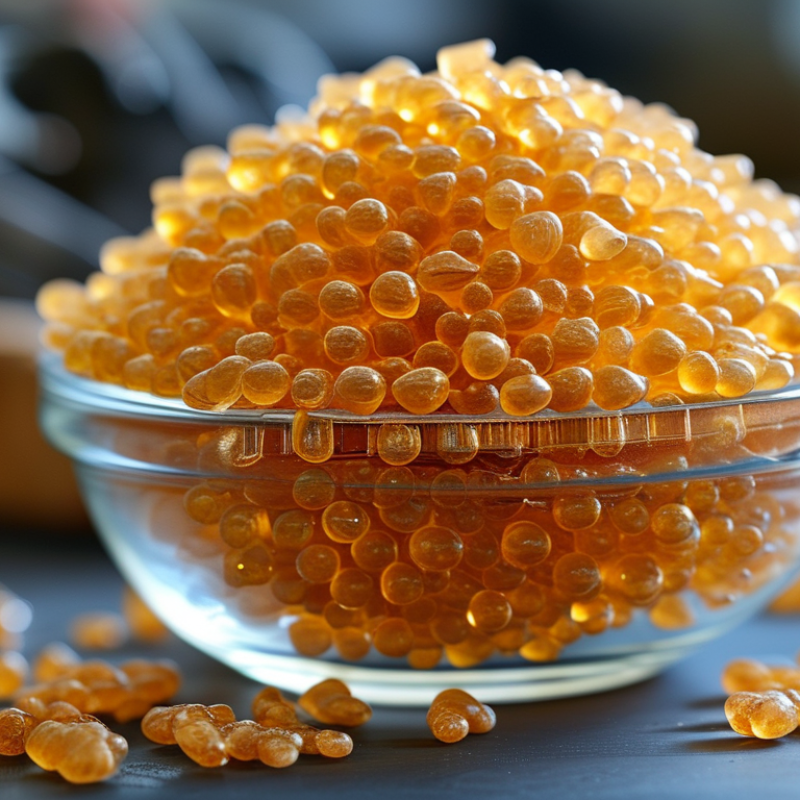
When selecting PVC pellets for injection molding, understanding the different types is crucial. PVC comes in various formulations, each tailored for specific applications. Standard PVC is rigid and widely used. Soft PVC, on the other hand, offers flexibility, making it suitable for items like gaskets. Clarified PVC provides transparency, ideal for packaging solutions.
**Tip:** Consider the end-use of your product before choosing a pellet type. This decision impacts durability and performance. Testing small batches can reveal how each type reacts during molding.
Temperature stability is also a significant factor. Some PVC grades withstand higher temperatures, while others may deform. If a project demands high thermal resistance, overheating PVC can result in poor outcomes.
**Tip:** Always read technical data sheets provided by suppliers. They outline processing temperatures and flow rates. Understanding these details ensures you select the most appropriate type for your needs. Don't hesitate to ask for samples to evaluate performance directly.
PVC Pellet Types for Injection Molding
Evaluating the Quality of PVC Pellets
Choosing the right PVC pellets is crucial for successful injection molding. Evaluating their quality involves several key factors. Look for consistent size and color. This uniformity often reflects better processing characteristics. The pellet's surface should be smooth. Rough surfaces can lead to defects in the final product.
Tips for ensuring quality include inspecting moisture content. Excess moisture can cause bubbling during molding. Conduct tests to determine the density of the pellets. Higher density often indicates better quality. Also, consider the processing temperature range specified by the manufacturer. Staying within this range is essential for optimal results.
While examining the pellets, don't ignore the importance of physical characteristics. Pay attention to the odor during heating. An unusual smell may indicate poor quality. Consult with experienced professionals if unsure about the quality criteria. Not all pellets are created equal, and sometimes a more affordable option may lead to unexpected issues in production.
Key Properties to Consider in PVC Pellets
When selecting PVC pellets for injection molding, key properties play a crucial role in ensuring quality and efficiency. One important factor is the melt flow index (MFI). It indicates the ease of processing and flow of the material during molding. A higher MFI often means better flow but can compromise strength. Finding a balance is essential.
Another critical property is the tensile strength of the pellets. This reflects how much stress the PVC can endure before breaking. High tensile strength is vital for products requiring sturdiness. Additionally, impact resistance should be evaluated. PVC with good impact resistance offers durability in various applications.
You must also consider the thermal stability of the pellets. Poor thermal stability can lead to degradation during processing. This affects the final product quality. Lastly, color stability and aesthetic properties should not be overlooked. Consistent color and finish are essential for product appeal. In summary, understanding these key properties can help in making an informed choice.
Choosing the Right Additives for PVC Pellets
Choosing the right additives for PVC pellets
can significantly impact the injection molding process. Additives enhance the properties of PVC, such as
flexibility, heat resistance, and
UV stability. According to the PVC Resin Association, the use of
additives can improve processing efficiency by up to 25%. This
statistic underscores the importance of selecting suitable combinations.
Commonly used additives include plasticizers, stabilizers, and
impact modifiers. Plasticizers like dioctyl phthalate enhance flexibility, which is vital for applications
requiring bendable materials. Stabilizers, often based on calcium-zinc or lead, reduce degradation during
processing. Data from the American Chemistry Council indicates that stabilizer selection can extend the
lifespan of PVC products up to 15 years.
However, choosing additives is not always straightforward. The balance between
cost and
performance is critical. Overusing certain
additives can lead to a trade-off in mechanical properties or processing challenges. Each application
requires careful consideration of environmental impacts,
safety, and
regulatory compliance, which might complicate the decision-making process.
Proper testing and evaluation of the final product are crucial to ensure that the right balance is achieved.
Assessing Supplier Reliability for PVC Pellets Purchasing
When purchasing PVC pellets, assessing supplier reliability is crucial. A recent study highlighted that 30% of manufacturers experienced disruptions due to unreliable suppliers. This data underscores the importance of evaluating potential vendors thoroughly.
Checking the supplier's history is essential. Look for transparency in their operations and adherence to industry standards. A reliable supplier should provide certifications and quality assurance documentation. Research their financial stability as well. Companies with consistent revenue streams are often more dependable.
Additionally, engage with other customers. Testimonials and reviews can reveal insights into a supplier's reliability. A recent industry survey found that 65% of companies consider customer feedback before making sourcing decisions. Establishing relationships with suppliers can mitigate risks. Frequent communication and contract clarity are key. Many manufacturers overlook these aspects, which can lead to unexpected challenges.