How to Choose the Right Injection Molding Pellets for Your Project?
Choosing the right injection molding pellets is crucial for the success of your project. According to a report by Grand View Research, the global injection molding market size was valued at USD 234.4 billion in 2022 and is expected to grow significantly. This growth highlights the importance of selecting suitable materials to meet project demands efficiently.
Industry expert Dr. Michael Anderson states, “Selecting the right injection molding pellets can lead to significant cost savings and improved product performance.” The choice of pellets affects not only the quality but also the overall production process. Different materials offer distinct properties that can impact durability, flexibility, and appearance. For example, polypropylene is known for its lightweight characteristics, while polycarbonate provides high strength.
However, navigating the myriad of options can be challenging. Some manufacturers face difficulties in aligning their material choice with specific project requirements. Misjudgments in selecting injection molding pellets can lead to delays and increased costs. Therefore, a careful evaluation of project needs and material properties is essential for optimal results.
Understanding Injection Molding Pellets: Types and Applications
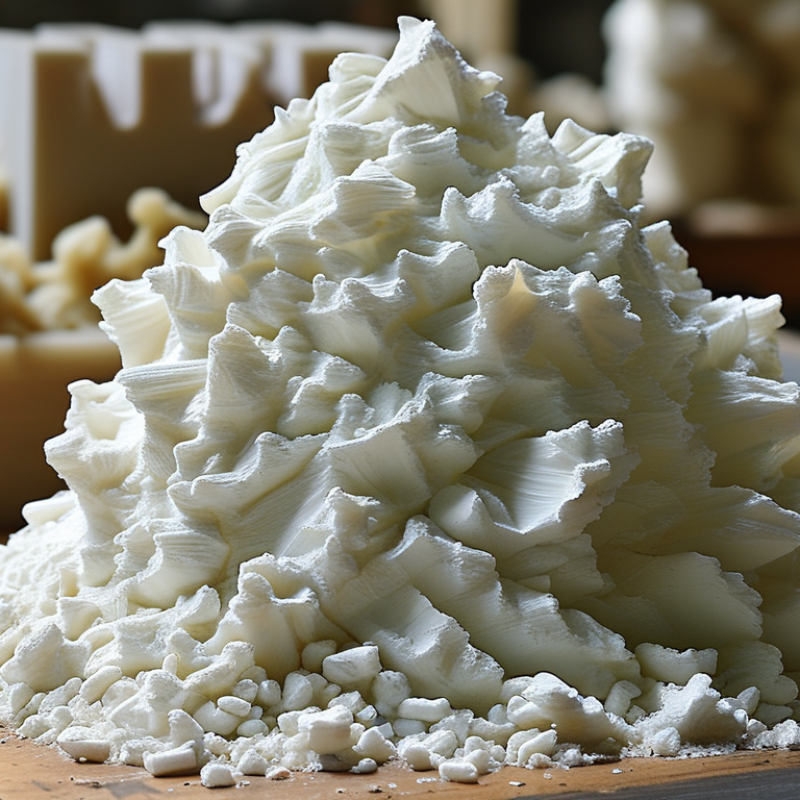
Injection molding pellets are crucial for efficient production in the manufacturing sector. These pellets come in various types that serve different applications. Understanding these types is essential for any project. Common materials include polyethylene, polypropylene, and polystyrene. According to a recent report from the American Plastics Council, polyethylene accounts for nearly 30% of the total consumption of plastic materials in injection molding.
Each type of pellet has its unique properties. For example, polypropylene is lightweight and resistant to fatigue, making it ideal for automotive components. In contrast, polystyrene is often used in disposable food containers due to its ease of processing and cost-effectiveness. However, the choice of pellets should consider not only physical attributes but also projected usage and environmental impact. The growth of sustainable practices has prompted a shift towards biodegradable options, though they may not always meet performance standards.
Many manufacturers struggle with balancing cost and quality when selecting pellets. A report by the Plastics Industry Association highlighted that up to 30% of companies faced challenges in sourcing high-quality, low-cost materials. This ongoing issue indicates the importance of thorough research and testing prior to making a selection. Understanding the specific needs of the project can prevent costly missteps and ensure better efficiency.
Evaluating the Key Properties of Injection Molding Materials
Choosing the right injection molding pellets is crucial for the success of any manufacturing project. One of the key properties to evaluate is the material's thermal stability. This affects the quality of the molded parts. High thermal stability ensures that the material maintains its properties under heat during processing.
In addition to thermal stability, consider mechanical strength. This property determines how well the final product can withstand stress and force. Stronger materials are vital for applications requiring durability. Evaluate how the pellets respond to impact and load to ensure they meet project requirements.
When selecting pellets, also pay attention to flow characteristics. They influence how easily the material fills the mold. A good flow rate allows for better detail and finish in the molded parts. Monitor the viscosity and melt flow index to find the right balance.
Experiment with different materials. Testing small batches can help determine their suitability. Maintaining an open mind about unexpected outcomes can lead to valuable insights. Remember, not all materials will behave as expected. Flexibility and adaptation are essential in this process.
Factors to Consider When Selecting Pellets for Specific Projects
When selecting injection molding pellets, several factors play a critical role in ensuring project success. Material properties are paramount. For instance, the tensile strength and thermal stability of different resins can significantly affect the performance of the final product. According to reports from industry experts, plastics like polypropylene are known for their excellent fatigue resistance, making them ideal for high-wear applications. In contrast, ABS is often chosen for its impact resistance and ease of processing.
The intended application must also guide the pellet selection. For medical devices, compliance with FDA standards is crucial. Reports indicate that certain materials, like polycarbonate, are favored due to their clarity and durability, making them suitable for transparent medical housings. Additionally, environmental factors, such as exposure to UV light or chemicals, influence material choice. For outdoor applications, UV-stabilized grades are recommended to enhance longevity.
Cost-effectiveness is another consideration. While high-performance materials might offer better durability, they often come with a higher price tag. Balancing quality and budget is essential for many projects. Some industries have found success using blends of materials to achieve desired properties without inflating costs excessively. Nonetheless, this approach requires careful testing to ensure that the blended properties meet project specifications.
Material Properties of Common Injection Molding Pellets
Assessing Cost-Effectiveness and Supplier Options for Pellets
Selecting the right injection molding pellets is crucial for any project. Cost-effectiveness often plays a major role in this decision. Understanding the prices from different suppliers can help you make informed choices. Some may look cheap but could result in higher costs later due to quality issues. Price comparison is essential, especially if you are on a budget.
Evaluate the reputation and reliability of potential suppliers. Experience matters. Suppliers with a solid track record typically offer better materials. Engage with them to learn about their sourcing practices and quality control measures. A reliable supplier will provide transparency about their pellet production.
When assessing options, consider long-term value. Sometimes, spending a bit more upfront can lead to durability and fewer defects. Think about the specific needs of your project. If the pellets do not meet your requirements, you might face delays and increased expenses. Test samples where possible. Conducting trials can reveal a lot about performance before fully committing.
How to Choose the Right Injection Molding Pellets for Your Project?
| Pellet Type |
Cost per kg |
Supplier Rating |
Lead Time (days) |
Applications |
| ABS |
$2.50 |
4.5 |
10 |
Consumer goods, automotive parts |
| Polyethylene (PE) |
$1.80 |
4.2 |
7 |
Packaging, containers |
| Polypropylene (PP) |
$2.20 |
4.7 |
12 |
Automotive, textiles |
| Polystyrene (PS) |
$2.30 |
4.0 |
8 |
Electronics, toys |
| Nylon (PA) |
$3.00 |
4.8 |
15 |
Industrial applications, fibers |
Best Practices for Storing and Handling Injection Molding Pellets
Storing and handling injection molding pellets requires careful attention to detail. Proper storage minimizes contamination and degradation. Humidity can significantly impact pellet quality. According to industry reports, moisture levels above 0.1% can lead to defects in molded parts. Using desiccant bags in sealed containers helps maintain optimal humidity levels.
Temperature control is critical during storage. Pellets should be kept in a cool, stable environment. Extreme temperatures can alter the material properties. Studies show that exposure to heat can weaken the pellets, affecting their performance during injection molding.
Handling techniques also play a vital role. Avoid dropping or allowing pellets to come into contact with contaminated surfaces. Operators should wear gloves to prevent oil from hands transferring to the pellets. Regular audits of storage conditions and handling procedures can reveal gaps in practices. Creating a checklist ensures consistency in handling. Despite these guidelines, mishandling still occurs, leading to wasted materials and increased costs. Continuing education on best practices is essential for maintaining high-quality standards.