2026 How to Choose the Best Injection Molding Pellets?
Choosing the best injection molding pellets is crucial for successful manufacturing. These pellets serve as the foundation of countless products. Their quality directly influences production efficiency and finished product performance.
When selecting injection molding pellets, factors like material type and application must be considered. Different projects may require specific thermal or mechanical properties. Understanding the characteristics of various pellets can help tailor choices to meet unique needs.
Not all pellets are created equal. Some may offer better durability, while others excel in appearance. Exploring these options can lead to enhanced project outcomes. It’s important to conduct thorough research and consult with industry experts. Balancing cost and performance requires careful thought. The right pellets can make a significant difference in your production process.
Understanding Injection Molding Pellets and Their Importance
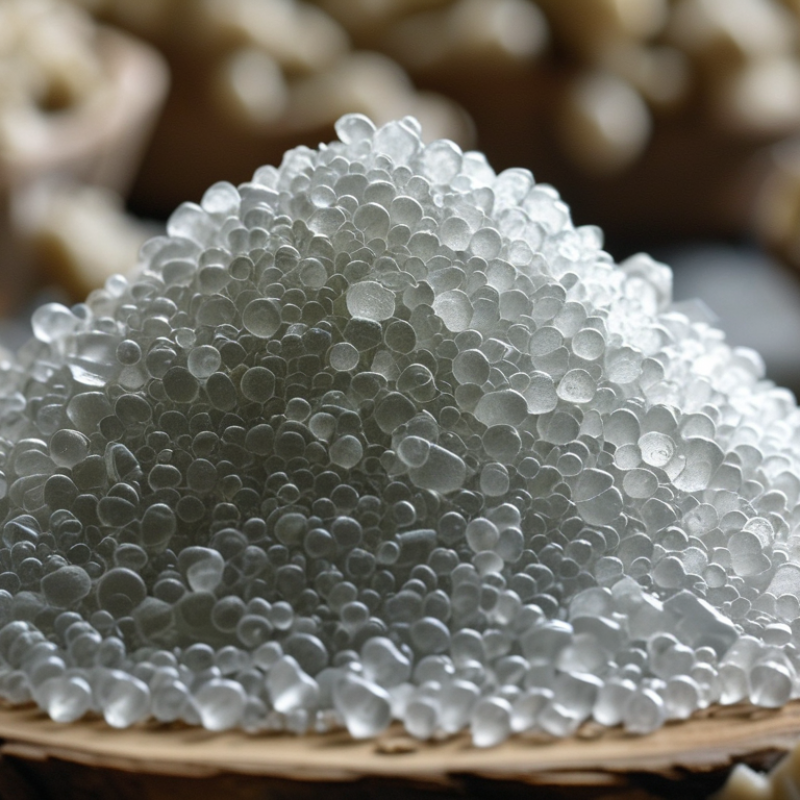
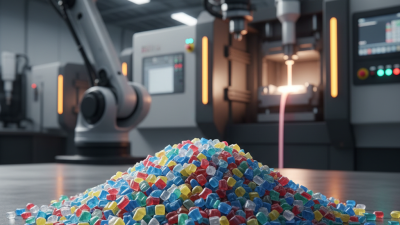
Injection molding pellets play a crucial role in the manufacturing process. They directly impact the quality and performance of the final products. Understanding the materials used can lead to better decisions in selecting the right pellets. Common types of pellets include polyethylene, polypropylene, and polystyrene, each offering distinct properties for various applications. According to a recent industry report, about 40% of plastic products are made using injection molding processes.
When choosing pellets, consider their melting temperature and flow rate. These factors influence how the material will behave during molding. The right flow rate ensures uniform distribution in the mold. For example, a lower viscosity material may be favored for detailed designs, while higher viscosity is suitable for thick-walled parts. You should weigh the purpose of the product against the characteristics of the pellets.
Tip: Always check the material's compatibility with the intended application. Not all pellets are suitable for every product. Potential issues may arise from misalignment in properties and application needs. Also, variations in pellet size can affect consistency during production. Therefore, careful assessment can save time and costs down the line. Being diligent now can prevent production disruptions later.
Factors to Consider When Selecting Injection Molding Pellets
When selecting injection molding pellets, several factors demand close attention. Material properties play a crucial role. You need to evaluate strength, flexibility, and thermal resistance. Different projects may require different characteristics. Consulting with material scientists can help in this aspect. They have the expertise to guide you towards the optimal choices.
Cost is another important consideration. While cheaper pellets may seem attractive, quality matters immensely. Inferior materials can lead to defects and increased waste. It’s critical to weigh upfront costs against potential long-term savings. Sometimes, investing more initially can prevent problems down the road.
Finally, processing conditions influence your choice. Temperature and pressure settings must align with the pellet type. Mismatched conditions can lead to challenges, affecting product quality. Understanding the nuances of your specific process is vital. Test different options in small batches before making a larger commitment. This trial phase is essential for finding the right balance.
2026 How to Choose the Best Injection Molding Pellets? - Factors to Consider When Selecting Injection Molding Pellets
| Material Type |
Common Applications |
Processing Temperature (°C) |
Tensile Strength (MPa) |
Impact Resistance (Izod, J/m) |
Cost per Kg (USD) |
| Polypropylene (PP) |
Containers, automotive parts |
200-240 |
30-40 |
20-80 |
1.00 |
| Acrylonitrile Butadiene Styrene (ABS) |
Consumer electronics, automotive components |
220-260 |
40-55 |
40-80 |
2.00 |
| Polyethylene Terephthalate (PET) |
Bottles, food packaging |
230-270 |
50-70 |
40-60 |
1.50 |
| Polycarbonate (PC) |
Optical discs, safety glasses |
250-300 |
60-80 |
400-800 |
3.00 |
| Nylon (PA) |
Textiles, automotive parts |
250-280 |
45-60 |
70-100 |
2.50 |
Types of Injection Molding Pellets and Their Applications
When selecting injection molding pellets, it's essential to understand the various types available. Polypropylene (PP) is widely used due to its cost-effectiveness and versatility. Data from industry reports reveal that the global polypropylene market is projected to grow from $61 billion in 2023 to $86 billion by 2031, highlighting its widespread application in automotive and consumer goods.
Another critical type is Acrylonitrile Butadiene Styrene (ABS). ABS is known for its strength and impact resistance. It’s commonly used in applications like electronic housings, where sturdiness is necessary. According to a 2022 study, ABS consumption in the automotive sector was expected to reach 270,000 metric tons by 2025, driven by increasing demand for lightweight and durable materials.
Specialty engineering resins, such as polycarbonate (PC) and nylon, cater to niche applications. Polycarbonate is often employed in high-performance environments, including safety goggles and optical disks. Meanwhile, nylon serves well in mechanical parts due to its excellent tensile strength. Awareness of these materials helps manufacturers make informed choices, but one must consider specific needs and applications critically. Choosing the right pellet isn't straightforward; incorrect selections can lead to failures or increased costs. Understanding these nuances is crucial in today's competitive landscape.
Evaluating Cost vs. Quality in Injection Molding Pellets
When choosing injection molding pellets, balancing cost and quality is crucial. Many manufacturers face tight budgets. However, opting for the cheapest option may backfire. Low-cost pellets often compromise quality and durability. This decision can lead to higher failure rates and increased production costs over time.
Quality materials enhance the performance of the final product. They ensure better flow, reduce defects, and increase longevity. A well-rounded pellets choice should account for specific project needs. Consider factors like the intended use, environmental conditions, and required durability. At times, it may feel tempting to choose budget-friendly options. Yet, reflecting on the long-term implications of these choices is essential.
Investing in higher-quality pellets often yields a better return overall. This approach can foster a strong reputation for reliability. Crafting quality products builds trust with customers. However, finding the right balance may require trial and error. Some experiments with various suppliers may not produce the desired results. But with perseverance and careful reflection, manufacturers can enhance their overall production strategy.
2026 Injection Molding Pellets: Cost vs. Quality Evaluation
This chart illustrates the evaluation of cost versus quality for different types of injection molding pellets. The data compares the average cost per kilogram and the quality rating based on customer feedback for various pellet types.
Sustainability Considerations in Choosing Injection Molding Pellets
Sustainability is a critical consideration when choosing injection molding pellets. Many manufacturers today are seeking eco-friendly materials that minimize environmental impact. According to a report by the Plastics Industry Association, recycled materials can reduce greenhouse emissions by up to 30%. This statistic encourages businesses to consider sustainable alternatives in their production processes.
When selecting pellets, look for options that are derived from renewable resources. Bioplastics made from sources like corn and sugarcane are gaining popularity. These materials not only reduce dependency on fossil fuels but also promote a circular economy.
However, some bioplastics can still have limitations regarding durability or processing conditions, requiring careful evaluation.
It's important to recognize that not all sustainable materials perform the same under various conditions. Some may have lower melting temperatures or limited compatibility with existing machinery. This can lead to challenges during production. Companies should balance the desire for sustainability with the need for performance and cost-effectiveness to avoid potential setbacks. Regular assessments of material impacts and production efficiency can guide informed decision-making.