Why Choose PVC Plastic for Your Next Project?
When considering materials for your next project, PVC plastic stands out as a versatile option. It is widely recognized for its durability and adaptability. Many industries rely on PVC plastic due to its impressive range of applications, from construction to healthcare. This versatile material can withstand extreme weather conditions, making it ideal for outdoor projects.
Using PVC plastic can also lead to cost savings. Its longevity helps reduce replacement costs over time. However, it’s essential to consider the environmental impact of PVC plastic. While it offers many benefits, some individuals may question its sustainability.
Choosing PVC plastic means balancing performance with responsibility. It's crucial to weigh the pros and cons, especially regarding eco-friendliness. This would ensure informed decision-making for your project's needs.
Understanding PVC Plastic: Composition and Properties
PVC, or polyvinyl chloride, is a versatile plastic widely used in construction and manufacturing. Its composition consists of repeating vinyl chloride units, which contribute to its unique properties. PVC is known for its durability, resistance to chemicals, and excellent weatherability. These traits make it ideal for various applications, from pipes to flooring. The material can withstand harsh environmental conditions while maintaining its structural integrity.
One notable feature of PVC is its lightweight nature. Despite being strong, it is easy to handle and transport. This quality facilitates its use in many projects. Additionally, PVC can be manufactured in different forms, including rigid and flexible variations. This flexibility opens up a range of design opportunities. However, the production process can generate toxic byproducts if not managed properly, raising environmental concerns.
While PVC offers many advantages, users must consider its limitations. For instance, it can become brittle over time, especially when exposed to UV light without proper additives. Its environmental impact during disposal is also a factor to reflect on. Responsible sourcing and recycling options should be prioritized for those choosing PVC. Understanding both its strengths and weaknesses helps in making informed decisions for your next project.
Benefits of Using PVC Plastic in Construction and Design
PVC plastic is gaining popularity in construction and design due to its numerous benefits. This versatile material is durable, lightweight, and resistant to moisture and chemical exposure. According to industry reports, the global PVC market is expected to reach $73 billion by 2027, reflecting a growing preference for its use in various applications.
One of the key advantages of PVC is its low maintenance requirements. Unlike wood or metal, PVC does not rot, rust, or corrode. This can lead to cost savings over the lifespan of a project. Additionally, PVC can be produced in a variety of colors and finishes, making it suitable for aesthetic designs. However, it’s essential to ensure that the manufacturing processes adhere to safety standards to minimize potential environmental impacts.
For those considering PVC plastic for their projects, focus on sourcing high-quality materials. Look for manufacturers who follow sustainable practices. Also, consider the specific needs of your project. For example, while PVC is ideal for outdoor applications due to its resistance to weather, it may not be suitable in environments with extreme UV exposure without proper additives. Striking a balance between cost, aesthetics, and durability is crucial for successful implementation.
Benefits of Using PVC Plastic in Construction and Design
Environmental Impact of PVC Plastic: Myths and Facts
PVC plastic often faces scrutiny regarding its environmental impact. Many misconceptions exist about its sustainability. Understanding the facts can help you make informed choices for your projects.
One common myth is that PVC is entirely harmful to the environment. In reality, innovations in manufacturing have led to more eco-friendly production methods. Manufacturers are now using recycled materials to create new products. This reduces waste and resource consumption significantly. Additionally, PVC is durable and long-lasting. Its longevity means fewer replacements, lowering the overall environmental footprint.
When using PVC, consider these tips for a greener approach. Choose products made from recycled PVC whenever possible. This not only supports recycling efforts but also promotes a circular economy. Proper disposal is crucial as well. Ensure you recycle your PVC materials to minimize landfill waste. Lastly, educate yourself and others about the benefits and responsibly use PVC to combat myths.
Why Choose PVC Plastic for Your Next Project? - Environmental Impact of PVC Plastic: Myths and Facts
| Aspect |
Myth |
Fact |
| Durability |
PVC is not durable and degrades quickly. |
PVC is extremely durable and can last for decades without significant degradation. |
| Recyclability |
PVC cannot be recycled. |
PVC is recyclable and can be processed into new products. |
| Health Risks |
PVC releases harmful chemicals into the environment. |
When manufactured and disposed of properly, PVC poses minimal environmental risks. |
| Sustainability |
PVC production is not sustainable. |
Advancements in production methods have made PVC more sustainable than ever. |
| Cost Effectiveness |
PVC is expensive compared to other materials. |
PVC is often more cost-effective due to its longevity and reduced maintenance costs. |
Applications of PVC Plastic in Various Industries
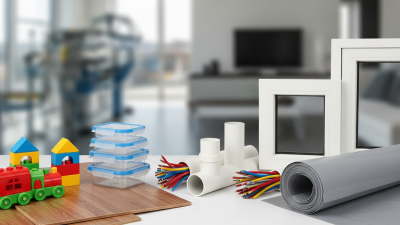
PVC plastic is widely used across various industries due to its versatile properties. In construction, PVC is a popular choice for piping, siding, and window frames. Its resistance to corrosion makes it ideal for water systems. Additionally, it's lightweight and easy to install, which saves time and labor costs. However, improper disposal of PVC can raise environmental concerns.
In the automotive industry, PVC plastic is utilized for interior parts, such as dashboards and door panels. It provides durability while enhancing aesthetics with different textures and colors. Yet, manufacturers face challenges in recycling PVC components effectively. Meanwhile, the healthcare sector benefits from PVC's hygienic properties. It is often found in medical tubing and containers. Although PVC is easy to clean, concerns about chemical leaching into products remain.
The packaging industry also relies heavily on PVC plastic. It offers excellent clarity and strength, making it suitable for food packaging. However, there are ongoing debates about its safety. Some researchers question the long-term effects on health and the environment. As industries embrace PVC, they must address these challenges to improve sustainability and safety.
Comparative Analysis: PVC Plastic vs. Other Materials
PVC plastic is a popular choice for many projects, but how does it compare to other materials? When examining PVC versus wood, for instance, PVC offers remarkable resistance to moisture and insects. Wood can warp and decay over time, especially in damp conditions. In contrast, PVC maintains its form and function despite weather fluctuations.
When comparing PVC to metal, the differences become evident as well. While metals offer strength, they can suffer from corrosion and rust. PVC is lightweight and does not corrode, making it ideal for various applications. The trade-off is that metal often provides better structural integrity. Additionally, PVC is easier to work with and cut, which saves time on project completion.
Nevertheless, it's important to consider the environmental impact of PVC. Its production and disposal can raise questions. Understanding these factors is crucial for responsible decision-making. Balancing durability and environmental responsibility requires careful thought. Each material has its pros and cons, and reflecting on these aspects can lead to better outcomes for any project.