Top 5 Secrets of the Plastic Moulding Process Explained?
The plastic moulding process is pivotal in today's manufacturing landscape. Renowned expert, Dr. Emily Carter, states, "Understanding the intricacies of plastic moulding can revolutionize product design." This powerful statement underscores the importance of grasping the methods and nuances involved in this process.
The plastic moulding process includes several techniques: injection, blow, and rotational moulding. Each method plays a unique role in creating plastic products. Misunderstandings can lead to flawed designs. It’s crucial to comprehend each step and its impact on the final product.
Fascinatingly, even seasoned professionals can overlook vital details. A small error in temperature can drastically alter the outcome. Reflection on past experiences often reveals opportunities for improvement. The ever-changing landscape of materials also demands constant learning. Embracing these challenges can lead to innovative breakthroughs.
Understanding the Basics of Plastic Moulding Process
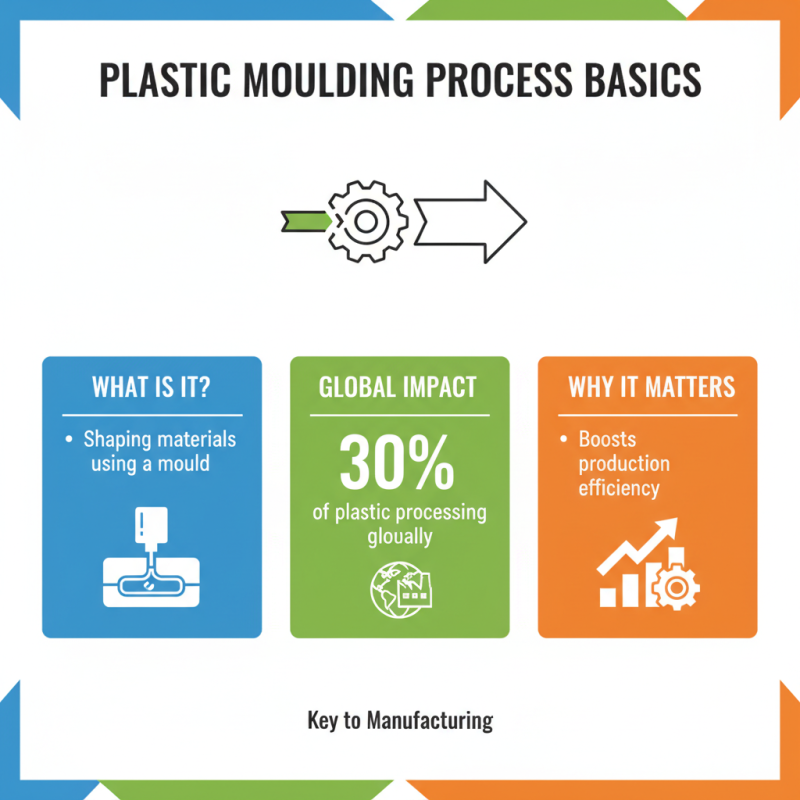
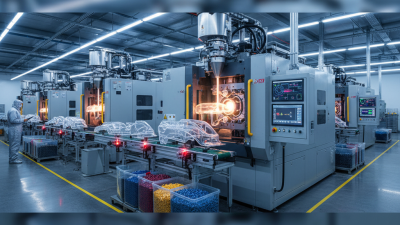
The plastic moulding process is crucial in manufacturing. Understanding its basics helps enhance production efficiency. Moulding involves shaping materials using a mould. This technique accounts for approximately 30% of plastic processing globally, indicating its significance.
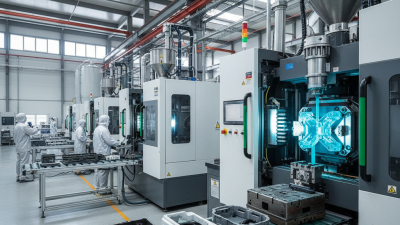
Various methods exist within plastic moulding, such as injection moulding, blow moulding, and rotational moulding. Injection moulding is prevalent, making up about 70% of the market. It allows for high precision and efficiency in producing complex shapes. However, it demands high initial costs for machinery and moulds, which may deter small businesses.
Sustainability is a growing concern in the industry. Data shows that nearly 8 million tons of plastic end up in oceans annually. Thus, refining the moulding process to utilize recycled materials is vital. Many companies still struggle with integrating sustainable practices. Optimal management of resources and waste remains a challenge. Therefore, manufacturers must consistently evaluate their processes for potential improvements.
Key Materials Used in Plastic Moulding Techniques
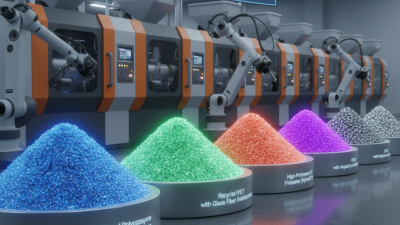
In the world of plastic moulding, the choice of materials is crucial. Different techniques use various resins to achieve specific properties. Polyethylene is one of the most common materials. It offers flexibility and durability. This makes it suitable for both rigid and flexible applications.
Polypropylene is another popular choice. It is known for its lightweight nature and resistance to impact. This makes it ideal for automotive parts and consumer goods. However, not all plastics are created equal. Some are less suitable for particular applications and may lead to failures or defects.
Another key material is polystyrene. It is easily moulded, making it a favorite for intricate designs. Yet, it can be brittle. Users must consider the end use of the product when selecting this material. Each option has its pros and cons. Understanding these nuances can prevent costly mistakes in production. The world of plastic moulding is complex, but the right materials make a significant difference.
Top 5 Secrets of the Plastic Moulding Process Explained
| Material |
Type |
Application |
Advantages |
| Polypropylene (PP) |
Thermoplastic |
Containers, automotive parts |
Chemical resistance, lightweight |
| Acrylonitrile Butadiene Styrene (ABS) |
Thermoplastic |
Products like Lego, electronic housings |
High impact resistance, ease of machining |
| Polystyrene (PS) |
Thermoplastic |
Packaging, disposable cutlery |
Cost-effective, easy to mold |
| Polyethylene (PE) |
Thermoplastic |
Bottles, plastic bags |
Good chemical resistance, moisture barrier |
| Nylon (Polyamide) |
Thermoplastic |
Automotive components, textiles |
Strong, resistant to wear and abrasion |
Step-by-Step Overview of the Moulding Process
The moulding process is a fascinating and intricate procedure. It begins with material selection, where various plastics are considered based on their properties. Common choices include polyethylene and polypropylene due to their versatility. Each type of plastic affects the final product's strength and durability.
Next, the materials undergo heating and melting. This step requires precision to achieve the right viscosity. If the material is too hot, it can degrade. If too cool, it won't flow properly. Once melted, the liquid plastic is injected into a mould. This mould determines the shape and features of the final product. The cooling phase follows, solidifying the molten plastic. Timing is critical here; too quick may lead to defects, too slow may lead to warping.
Finally, the mould is opened, and the product is ejected. This stage can sometimes reveal imperfections that need addressing. Minor blemishes may occur or subtle inconsistencies in thickness. These issues highlight the need for continuous improvement in the moulding process. Monitoring parameters carefully can enhance product quality and reduce waste. Overall, understanding every phase provides valuable insights into optimal plastic production.
Common Challenges in Plastic Moulding and Solutions
The plastic moulding process is not without its challenges. A study by the American Society for Plastics Engineers reports that roughly 30% of all moulding projects experience defects. These defects often stem from improper temperature control, which can lead to warping or incomplete filling of the mould. Maintaining optimal temperatures is crucial, yet many manufacturers struggle with this due to inadequate equipment or lack of training.
Another common challenge lies in material selection. The right resin choice impacts both the quality and durability of the final product. According to a report by the Plastics Industry Association, over 25% of moulding failures are attributed to improper material usage. This highlights the necessity for thorough testing and consultation during the material selection phase. It's essential for engineers to be up-to-date with the latest advancements in materials to mitigate these issues.
Quality control plays a pivotal role in the plastic moulding process as well. Implementing a comprehensive inspection system can prevent costly errors. Industry data indicates that manufacturers who invest in quality control can reduce defect rates by as much as 50%. Yet, many small to medium enterprises overlook this aspect, leading to higher rework rates and dissatisfied customers. These persistent challenges necessitate continuous education and adaptation in the industry.
Innovations and Future Trends in Plastic Moulding Technology
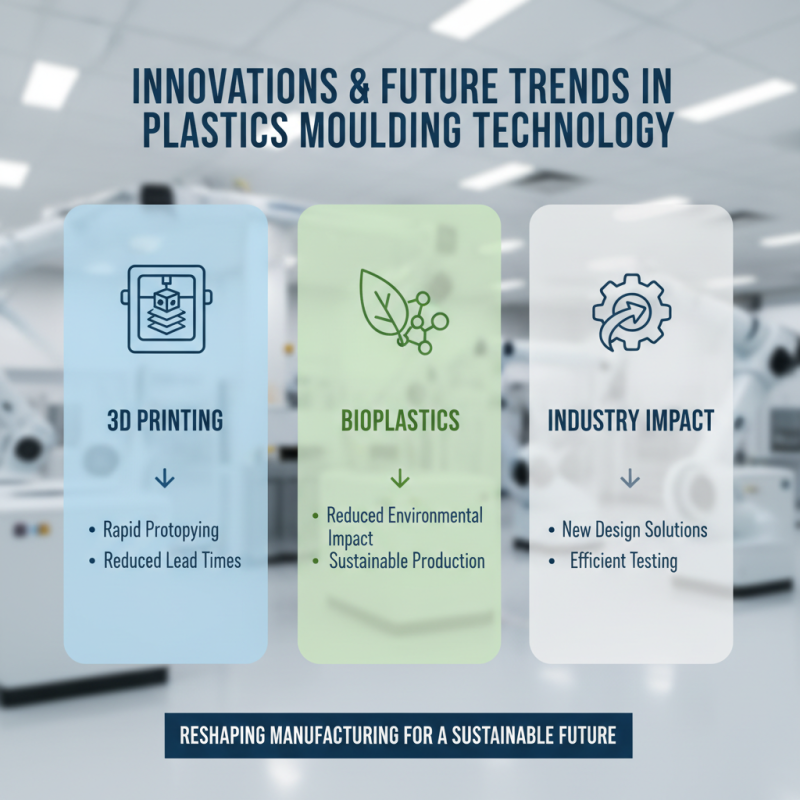
Innovations in plastic moulding technology are reshaping the industry. Advanced techniques such as 3D printing and bioplastics are gaining attention. These innovations offer unique solutions to traditional moulding challenges. For instance, 3D printing enables rapid prototyping, reducing lead times significantly. This allows designers to test models quickly and efficiently. Using bioplastics helps reduce environmental impact, which is becoming a crucial factor in production.
The future trends in plastic moulding increasingly focus on sustainability. Many manufacturers are exploring eco-friendly materials that biodegrade. This shift comes in response to growing consumer awareness about plastic pollution. However, these materials often present challenges, like cost and durability. Thus, the industry must balance sustainability with performance and affordability. Continuous research is essential to overcome these hurdles while meeting market demand.
Incorporating automation and smart technology is another emerging trend. Robotics can enhance precision and speed in the moulding process. Yet, the integration of high-tech solutions often requires significant investment, which not all companies can afford. This gap in access may widen the divide between smaller and larger manufacturers. Therefore, the industry must navigate these complexities to innovate effectively.