What Are the Best PVC Pellets for Injection Molding in 2026?
Choosing the best pvc pellets for injection molding in 2026 starts with the part, not the price tag. A rigid fitting, a thin-walled enclosure, and a flexible component each place different demands on a PVC compound. The wrong grade may show up as short shots, brittle corners, uneven gloss, or excessive cycle time. Small differences matter.
PVC materials author Dr. George Wypych’s published work emphasizes how formulation affects processing and performance. A practical takeaway is this: match the compound to the part and the molding conditions. That is a paraphrase, not a direct quotation. It also helps avoid a common mistake: treating all PVC pellets as interchangeable. K-value, plasticizer level, stabilizer package, and flow behavior can influence mold filling, heat stability, and finished-part properties. Check the supplier’s technical data, then confirm the grade on your own machine.
This guide compares the factors buyers should examine in 2026, including application, processing window, consistency, and supplier support. Look closely at real production details: the resin’s feed behavior, the gate’s fill pattern, and whether the molded surface stays even across a run. A datasheet is a starting point. It is not proof of performance in your mold. And the “best” grade may change when tooling, wall thickness, or output targets change. That uncertainty deserves attention, not a tidy ranking. The aim here is a more defensible shortlist, built around measurable requirements rather than a label that sounds impressive.
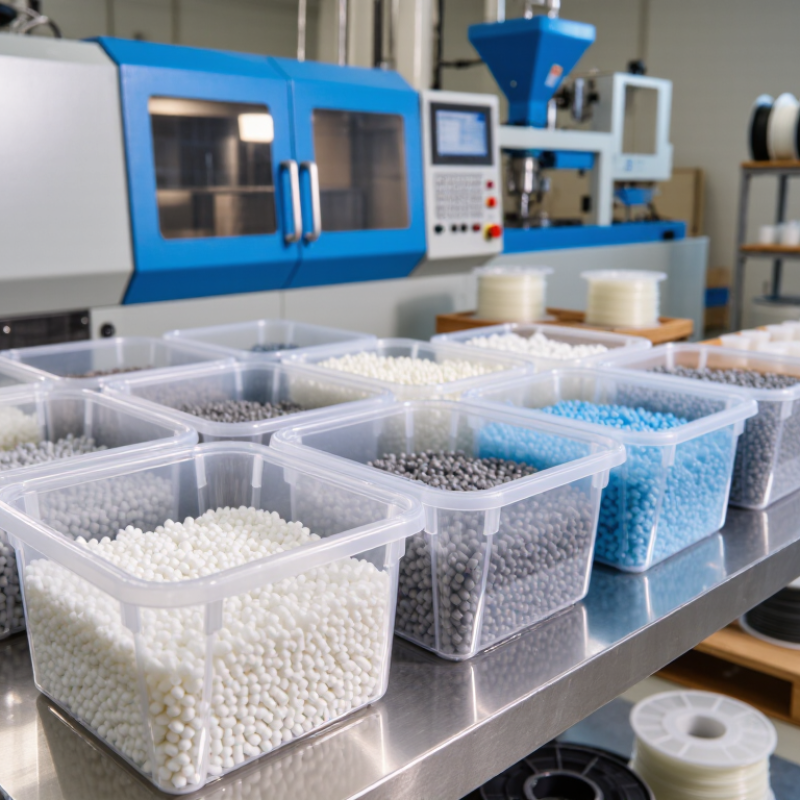
PVC Pellet Types and Formulations for Injection Molding
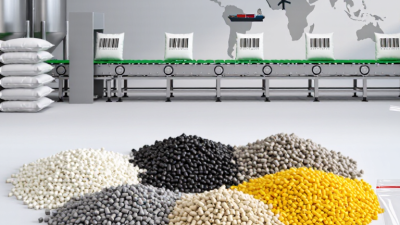
Injection-molding PVC pellets are usually formulated as rigid or flexible compounds. Rigid grades suit fittings, housings, and small technical parts. Flexible grades serve seals, grips, and components that need to bend. The difference is mainly the plasticizer package, but stabilizers, lubricants, impact modifiers, and fillers also shape flow and finished-part performance. Small changes matter.
For rigid parts, check melt flow, impact strength, and thermal stability against the mold’s cycle time. For flexible parts, compare hardness and plasticizer content, then test for shrinkage and surface tack. PVC is heat-sensitive, so excessive residence time can cause discoloration and brittleness. Keep the trial conservative. VinylPlus’s 2024 Progress Report recorded 737,645 tonnes of recycled PVC in Europe in 2023, across applications. That figure does not indicate how much recycled material is suitable for injection molding; ask suppliers for batch-level consistency data and processing guidance. Recycled-content pellets may vary more than expected. Review the formulation, not just the resin name, and validate it with short production trials before committing to a full run.
Key Properties That Determine PVC Pellet Performance
What Are the Best PVC Pellets for Injection Molding in 2026?
Pellet performance depends on the compound, not just the resin name. Check thermal stability, fusion behavior, melt consistency, impact strength, and tensile properties. PVC is heat-sensitive, so a narrow processing window matters. Poor fusion can leave brittle parts; excessive heat can discolor material and weaken it. Watch the actual melt, not just the machine display.
For recycled-content compounds, ask for lot-specific test results and processing guidance. The VinylPlus 2024 Progress Report recorded 737,645 tonnes of recycled PVC used in Europe during 2023. That figure shows supply scale, not molding consistency. A recycled-content percentage alone cannot predict how pellets will fill a thin rib or form a clean gate. Small differences matter.
Compare suppliers using samples molded on your own equipment. Record barrel temperatures, cycle time, visible defects, and part dimensions. Check mechanical properties with suitable methods, such as ASTM D638 for tensile strength and ASTM D256 for impact resistance. These results help, but they do not replace a production trial. A pellet that looks uniform may behave differently under shear. I would not trust one successful run as final proof. Test more than one lot.
How to Match PVC Pellets to Part Requirements
Match the PVC compound to the part’s job, not just its color or price. A rigid housing needs stiffness and dimensional stability; a flexible seal needs controlled softness and recovery. PlasticsEurope’s Plastics—the Fast Facts 2023 reports 400.3 million tonnes of global plastics production in 2022. That scale is a reminder: “PVC” covers many formulations, not one interchangeable pellet. Check the supplier’s technical data for hardness, impact strength, heat resistance, and melt-flow behavior. Fit comes first.
For a thin clip, ask for impact performance and test whether it survives repeated flexing after molding. For a thick electrical enclosure, compare heat resistance and dimensional stability, then inspect corners for sink marks. ASTM D1784 cell classifications can help define rigid PVC compound properties, but they do not replace testing the finished part. Small details matter. Review the compound’s stabilizer and impact-modifier package, and confirm processing guidance for melt temperature, residence time, and venting. PVC can degrade if overheated or held too long in the barrel. I would not choose a grade from a datasheet alone; mold a small trial and check the actual part. A slightly slower cycle may be the better trade if it reduces brittleness or rejects.
Processing Compatibility and Quality Checks for 2026
Choosing PVC pellets for injection molding starts with matching the formulation to the part and machine. Rigid and flexible compounds behave differently, even when their pellets look similar. Check the supplier’s technical data for recommended melt temperature, mold temperature, and residence time. PVC is heat-sensitive, so excessive heat or long pauses can cause degradation. Watch for discoloration, dark specks, or an unusual odor during a trial run. Small differences matter.
Tips: Confirm that the pellets feed evenly through the hopper and screw. Keep the material clean and dry; follow the supplier’s guidance if moisture or contamination is suspected. Record actual barrel temperatures and cycle time, not only the machine settings. A short trial can reveal bridging, inconsistent filling, or surface defects before a full production run.
For incoming quality checks, compare each lot’s certificate of analysis with agreed specifications. Check pellet size and appearance, then evaluate melt behavior and part consistency under controlled conditions. Inspect molded samples for sink marks, brittle edges, uneven color, and dimensional variation. Repeat checks after a material or process change. There is no single setting that suits every mold. Even a useful checklist can miss a problem if the test parts do not represent real production conditions.
What Are the Best PVC Pellets for Injection Molding in 2026?
Processing compatibility and quality checks
Typical starting melt-temperature windows are shown for rigid and flexible PVC. Actual processing limits depend on the compound, machine, and residence time; confirm settings with the pellet supplier and check for stable flow, uniform parts, and signs of heat degradation.
Comparing PVC Pellet Options for Different Applications
Rigid PVC pellets suit fittings, electrical housings, and other parts that need shape retention. Flexible grades, containing plasticizers, suit seals, gaskets, and soft-touch components. The European Council of Vinyl Manufacturers’ industry overview estimates that building and construction accounts for about 70% of European PVC use. That broad demand covers very different parts, so one pellet formulation cannot serve them all.
Start with the part’s required stiffness, impact resistance, and flow through the mold. Plastics Europe’s Plastics – the Fast Facts 2024 reports global plastics production of 413.8 million tonnes in 2023. That figure gives useful scale, but it does not tell a molder which PVC grade will fill a thin rib or hold a tight tolerance. Trial runs do. A practical comparison should record fill, surface finish, dimensional change, and cycle stability under the intended processing conditions.
Flexible PVC needs a plasticizer package suited to its target softness and service environment. Rigid formulations instead prioritize stiffness and heat stability, especially around narrow gates and long flow paths. PVC can degrade when overheated, so review the compound’s processing guidance and watch for discoloration or unusual odor. Small differences matter. Pellet samples may look alike but behave differently in the barrel. One caveat: a short trial can miss slow changes in dimensions or appearance, so inspect molded parts after conditioning, too.