Your Compounder of Choice

Mon - Fri: 8:00 - 16:30 | Sat & Sun: Closed

Why Is Polyvinyl Chloride Material So Widely Used?

Why Is Polyvinyl Chloride Material So Widely Used?

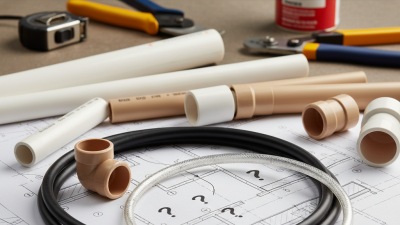
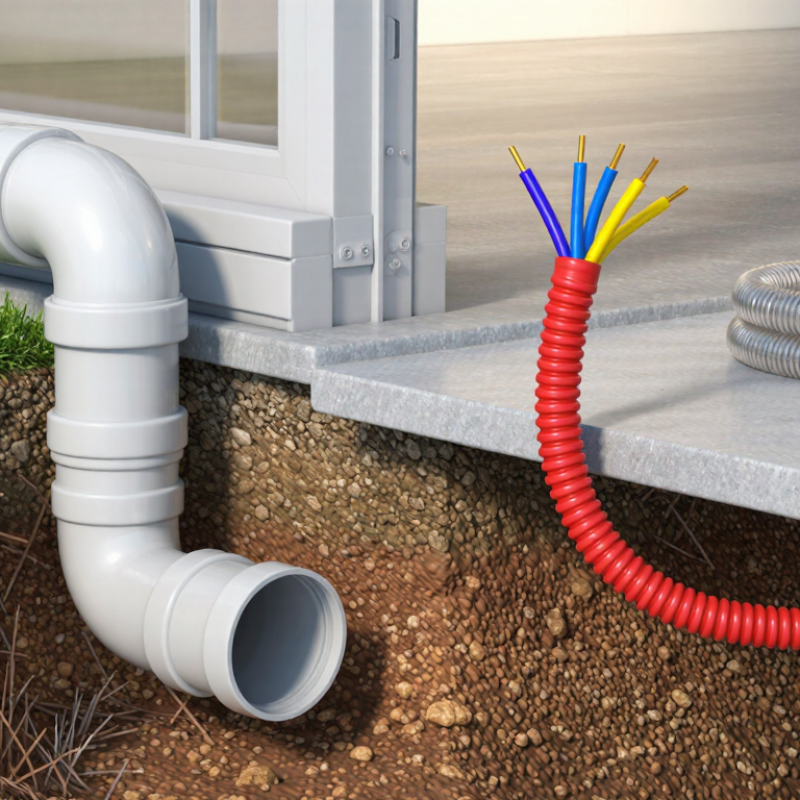
Polyvinyl chloride material appears in ordinary places: white drainage pipes, insulated cables, window frames, medical tubing, and durable flooring. Its popularity comes from a useful balance of performance, cost, and processing flexibility. Manufacturers can produce rigid PVC for construction or soften it for flexible applications. This adaptability helps one polymer serve many industries without changing the basic chemical platform.

Materials scientist George Wypych, author of the PVC Handbook, describes PVC as “one of the most versatile polymers.” That observation explains much of its commercial success. PVC resists moisture, corrosion, abrasion, and many common chemicals. It also accepts pigments, stabilizers, plasticizers, and impact modifiers. These additives allow engineers to adjust hardness, color, weatherability, and service life for specific products. A cable jacket can remain flexible, while a pipe can maintain structural strength underground.

The explanation is not perfect. Performance depends on formulation, workmanship, temperature, and exposure conditions. Poorly selected additives can reduce durability, and disposal remains a serious environmental discussion. These limitations deserve attention. Still, long service life can reduce replacement frequency in buildings and infrastructure. PVC also requires less maintenance in many applications, which matters when access is difficult or expensive. The material is not universally superior. Its continued use reflects practical engineering decisions, tested standards, and large-scale manufacturing experience. Understanding those details offers a more reliable answer than calling PVC simply cheap or durable.
Why Is Polyvinyl Chloride Material So Widely Used?

What Is Polyvinyl Chloride and How Is It Made?

Polyvinyl chloride, or PVC, is a thermoplastic made from vinyl chloride monomer. Its production begins with two basic feedstocks: chlorine and ethylene. Chlorine comes from saltwater electrolysis, while ethylene usually comes from hydrocarbon processing. These materials react to form ethylene dichloride, which becomes vinyl chloride after controlled heating.

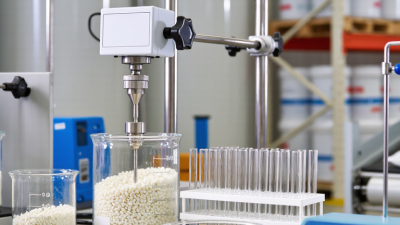
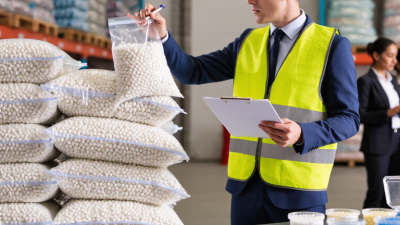
Manufacturers then polymerize vinyl chloride molecules in water, commonly through suspension polymerization. The result is a white PVC resin powder. Additives can change its behavior. Plasticizers make it flexible, while stabilizers improve heat resistance during processing. Fillers, pigments, and impact modifiers create different grades for pipes, cables, flooring, and medical tubing.

The scale is substantial. Grand View Research valued the global PVC market at about 45 billion US dollars in 2023. PlasticsEurope reported that PVC represented roughly 10% of European plastics demand in 2022.

These figures explain its industrial importance, but they do not tell the whole story. PVC can deliver long service lives, sometimes exceeding fifty years in construction applications. However, production energy, additives, and end-of-life management still require careful assessment. I would avoid calling PVC automatically sustainable. Its performance depends strongly on formulation, use, maintenance, and recycling conditions. That distinction matters.

Which Properties Make PVC Useful in Everyday Applications?

Why Is Polyvinyl Chloride Material So Widely Used?

Which Properties Make PVC Useful in Everyday Applications?

PVC fits ordinary needs with surprisingly practical properties. It resists water, corrosion, abrasion, and many household chemicals. Rigid PVC keeps its shape in drainage pipes and window frames. Flexible PVC bends around cables, flooring edges, and medical tubing. It also provides reliable electrical insulation. PlasticsEurope’s Plastics—the Fast Facts 2024 report places PVC at roughly one-tenth of European plastics demand. That share reflects repeated use, not simple fashion.

Cost matters, but performance matters more. PVC can be processed at relatively low temperatures and formulated for different hardness levels. Its long service life reduces replacement work in many building applications. A 2023 European PVC recycling progress report recorded more than 800,000 tonnes recycled in Europe during 2022. Still, PVC is not perfect. Additives, mixed materials, and poor sorting can complicate recycling. Burning it is also unsafe because hazardous smoke may form. Material selection needs real project conditions, not attractive claims.

Tips: Check the product’s technical sheet before installation. Confirm temperature, chemical exposure, flexibility, and expected service life. For cables or pipes, use the correct standard and installer guidance. Small details matter.

How Is PVC Used Across Different Industries?

Polyvinyl chloride, or PVC, appears in many industries because it can be shaped, hardened, or softened for different jobs. In construction, rigid PVC forms water pipes, drainage systems, window frames, wall panels, and flooring. Its smooth interior helps reduce deposits inside pipes. Its resistance to moisture also suits bathrooms, basements, and outdoor installations.

Electrical contractors use PVC to insulate cables and protect wiring inside conduits. The material does not conduct electricity, and its light weight makes installation easier. In agriculture, flexible PVC hoses carry water through greenhouse rows and irrigation networks. Medical manufacturers use carefully formulated PVC for tubing, fluid bags, and protective equipment. These products require strict testing for flexibility, cleanliness, and contact safety.

Packaging is another major application. Clear PVC film can protect small products while showing their shape. Automotive interiors may also include PVC coatings, seals, and floor coverings because the material tolerates abrasion. Still, performance depends on formulation, temperature, sunlight, and additives. Flexible grades may become brittle over time, especially after prolonged outdoor exposure. Rigid grades can crack under sudden impact. Recycling is possible in some systems, but collection and sorting remain inconsistent. A material that works well in a cable jacket may perform poorly in hot industrial equipment. That detail is easy to overlook. Engineers should match the PVC grade to its service conditions, not choose it only because it is inexpensive.

Why Is Polyvinyl Chloride Material So Widely Used? - How Is PVC Used Across Different Industries?

Industry Typical PVC Form Common Applications Useful Material Properties Practical Considerations
Construction Rigid PVC and flexible PVC Water and drainage pipes, window profiles, siding, flooring, roofing membranes, wall coverings and cable conduits Good corrosion resistance, low water absorption, electrical insulation, weather resistance and relatively low maintenance Performance depends on formulation, stabilizers, reinforcement, temperature and exposure to ultraviolet radiation
Electrical and Electronics Flexible PVC and rigid PVC Wire and cable insulation, cable jackets, electrical conduits, trunking and protective covers High electrical resistivity, flame-retardant formulations, flexibility and resistance to moisture and many chemicals Electrical standards require the correct formulation; overheating can accelerate aging and release corrosive gases during combustion
Healthcare Medical-grade flexible PVC and rigid PVC Tubing, blood bags, fluid containers, medical packaging, masks and protective components Clarity, flexibility, heat-sealing capability, low cost and compatibility with sterilization methods when properly formulated Plasticizers and additives must meet applicable medical-contact requirements; the formulation must be selected for the intended use
Packaging Flexible film, sheet and rigid PVC Blister packs, labels, transparent containers, shrink films and protective packaging components Transparency, printability, formability, dimensional stability and resistance to moisture Food, pharmaceutical and other contact applications require compliant additives and appropriate migration testing
Automotive and Transportation Flexible PVC, rigid PVC and PVC-coated fabrics Wire coverings, interior trim, floor coverings, door components, protective coatings and seals Abrasion resistance, flexibility, surface finish, low material cost and resistance to oils or chemicals in selected formulations Automotive grades must satisfy requirements for odor, fogging, temperature cycling, flame behavior and long-term durability
Agriculture Flexible PVC film, hoses and rigid pipe Irrigation pipes, water hoses, greenhouse curtains, crop-protection covers and pond liners Water resistance, flexibility, weldability, chemical resistance and ease of installation Outdoor products need ultraviolet stabilizers; agricultural chemicals and sunlight can affect service life
Consumer Products Flexible PVC, rigid PVC and PVC-coated materials Floor mats, shower curtains, inflatable products, stationery, toys and imitation leather Wide range of hardness, colorability, flexibility, abrasion resistance and relatively simple processing Consumer-safety requirements may restrict specific plasticizers, pigments and other additives
Water and Wastewater Rigid PVC pipe and fittings Potable-water distribution, sewer lines, drainage systems and industrial fluid handling Resistance to rust and many aqueous chemicals, smooth internal surfaces, low weight and strong jointing options Operating pressure, temperature, soil conditions and local water-contact regulations determine the suitable grade
Industrial Manufacturing Rigid sheet, pipe, profile and flexible hose Chemical tanks, ducting, process piping, machine guards, protective liners and ventilation components Chemical resistance, fabricability, electrical insulation and availability in rigid or flexible grades Compatibility must be checked against the specific chemical, concentration, temperature and mechanical load
Apparel and Interior Materials PVC-coated fabric and flexible PVC film Synthetic leather, upholstery, bags, waterproof garments, curtains and decorative surfaces Waterproofing, color versatility, surface texture, flexibility and resistance to abrasion Low-temperature flexibility, plasticizer migration, breathability and durability vary with the formulation and fabric construction
Material-Level Advantages PVC resin and formulated compounds A single polymer platform can be processed into pipes, films, coatings, profiles, sheets and molded products PVC contains approximately 57% chlorine by mass, has good inherent flame resistance compared with many hydrocarbon polymers, and can be made rigid or flexible through formulation Additives, processing conditions, product design and end-of-life collection strongly influence safety, durability and environmental performance

What Are the Environmental and Health Considerations of PVC?

PVC remains widely used because it is durable, lightweight, water-resistant, and relatively affordable.
Its environmental and health profile is more complicated. PVC contains chlorine, and some products also require additives to improve flexibility, color, or fire performance. During manufacturing, poor process control can release harmful emissions. Improper burning may create highly toxic compounds. This risk deserves serious attention.

Health considerations depend on the product, its additives, and the exposure level.
Rigid PVC used in pipes usually behaves differently from flexible flooring or cable coatings. Some additives can migrate into dust, air, or skin-contact materials over time. Sensitive groups may face greater concerns in poorly ventilated rooms. Indoor air quality matters. A practical assessment should examine product documentation, independent test results, ventilation, and intended use. A strong odor is not definite proof of danger, but it should not be ignored.

PVC can serve for decades, reducing replacement and construction waste.
However, recycling remains difficult when products contain mixed layers, adhesives, or changing additives. Old materials may also require careful sorting before recovery. Designers should consider repair, take-back systems, and safer additive choices during specification. Local chemical regulations and waste-handling requirements should guide decisions. Some sustainability claims sound convincing, yet the full lifecycle may tell a less comfortable story. The honest assessment is often incomplete.

How Is PVC Recycled and What Is Its Future?

PVC recycling begins with identification, collection, and careful sorting. Rigid pipes, window profiles, flooring, and flexible cables often enter different streams. Workers inspect color, thickness, fillers, and attached materials. Near-infrared scanners help, but dark or heavily printed items remain difficult. Clean material has greater value. It also creates fewer processing problems.

Mechanical recycling remains the most practical route for many PVC products. Facilities shred PVC, remove metals, wash fragments, and grind them into reprocessed material. Heat must be controlled because PVC can release corrosive gases when overheated. Stabilizers and plasticizers also affect final performance. A recycled batch may become less flexible or consistent. That limitation matters in pipes, seals, and safety-related applications. Testing should cover composition, strength, impact resistance, and long-term aging. It is not glamorous work. It is necessary work.

The future depends on better collection and product design. Manufacturers can use fewer mixed materials, mark components clearly, and avoid permanent adhesives. Digital sorting tools may improve purity, while chemical recycling could handle selected complex waste. Yet its energy use, cost, and emissions require independent evaluation. Recycling is not automatically sustainable. I have seen promising material streams lose value through moisture and poor storage. That weakness deserves more attention. Local infrastructure, transparent data, and realistic performance standards will shape PVC’s next stage.