

Your Compounder of Choice

Mon - Fri: 8:00 - 16:30 | Sat & Sun: Closed

Why Are Generator Sets Essential for Your Business?

Generator Sets are often treated as insurance, until the lights fail. Then the details matter: the server room goes quiet, payment terminals stop, and a refrigerated delivery begins to warm. A properly selected generator set can keep critical equipment running while utility power is unavailable. It cannot prevent every disruption, and it needs regular testing, fuel planning, and competent maintenance.

The financial stakes are measurable. Uptime Institute’s 2024 Annual Outage Analysis reported that 54% of respondents said their most recent significant outage cost more than $100,000; 16% put the cost above $1 million. These figures come from data-center operators, so they should not be treated as a universal estimate for every business. Still, they show how quickly downtime can become expensive. Uptime Institute research director Andy Lawrence has emphasized the operational importance of outage resilience; his work is a useful reminder that preparedness must be planned, not improvised.

A generator is not a complete continuity plan. It must match the site’s essential loads, start reliably, and connect safely with existing electrical systems. A small clinic, a warehouse, and a busy restaurant do not need the same configuration. That sounds obvious. It is sometimes overlooked. This guide explores why Generator Sets matter, what business risks they can reduce, and which practical factors deserve attention before purchase. The honest question is not whether backup power is valuable. It is whether the chosen system will work when the building is dark, the clock is running, and customers are waiting.
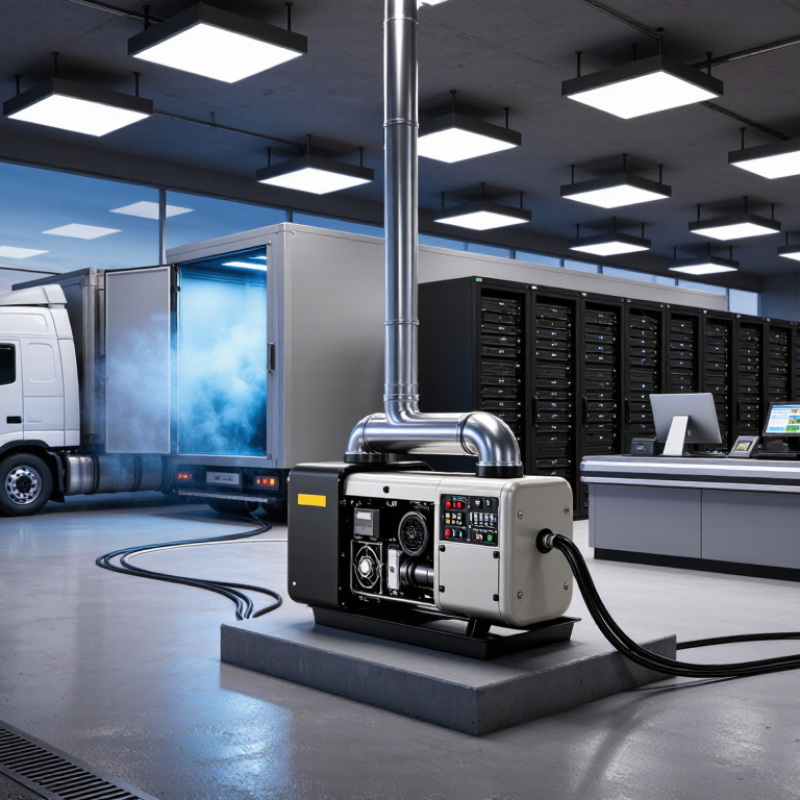
Why Are Generator Sets Essential for Your Business?

What a Generator Set Is and How It Works

A generator set, often called a genset, combines an engine, an alternator, and control equipment to produce electricity. The engine converts fuel energy into mechanical motion. That motion spins the alternator’s rotor, creating an electrical current through electromagnetic induction.

In plain terms, rotation becomes usable power.

The control system monitors output and helps keep voltage and frequency within the set’s operating range.

When utility power fails, an automatic transfer switch can detect the interruption and connect selected circuits to the generator. The engine starts, reaches operating speed, and the alternator supplies electricity to the connected loads. When utility service returns, the switch transfers those loads back.

Not every setup works this way; some generators require manual starting and switching. The arrangement depends on the site and its equipment.

Sizing matters. A unit must handle the expected electrical load, including brief startup surges from motors, pumps, or refrigeration equipment. An undersized set may struggle or trip; an oversized one may run inefficiently.

Fuel supply, ventilation, exhaust routing, and regular maintenance also affect reliable operation.

Small details matter. A clean air filter and a tested battery can make the difference on a cold morning.

Even a clear explanation has limits: actual installation and operating requirements vary, so qualified professionals should assess the specific site.

Why Businesses Need a Reliable Backup Power Source

Reliable backup power keeps essential business functions running when the grid fails. That may mean keeping refrigeration cold, payment terminals online, or network equipment operating—not powering every machine in the building. The U.S. Energy Information Administration reported that electricity customers averaged about 5.5 hours of interruptions in 2022, including major events. That average hides local differences. A storm can leave one street dark while nearby businesses stay open.

Downtime can become expensive quickly. Uptime Institute’s 2024 Annual Outage Analysis found that 54% of surveyed data-center operators reported a significant outage costing more than $100,000; 16% reported costs above $1 million. Data centers are not typical shops, but the figures show how disruption can compound. A generator set can supply selected circuits, giving staff time to protect stock, serve customers, or shut down equipment safely. A generator is not a cure-all. Poor sizing, stale fuel, or an untested transfer switch can leave it useless when needed. Regular load tests and maintenance matter. A written plan helps, too. Who checks the unit? Which loads take priority? These details are easy to miss until the lights go out.

How Generator Sets Keep Essential Operations Running

When utility power fails, a generator set can protect work that cannot pause: refrigeration, pumps, servers, and safety lighting. An automatic transfer switch detects the outage and moves selected loads to standby power, often within seconds. That gap still matters. Sensitive equipment may need UPS support while the generator starts and stabilizes.

The U.S. Energy Information Administration’s Electric Power Annual reported an average 5.6 hours of electricity interruptions per U.S. customer in 2022, including major events. Even shorter interruptions can spoil chilled inventory, stop production lines, disrupt payment systems, or leave a clinic without essential lighting. Uptime Institute’s 2024 Annual Outage Analysis found that 54% of respondents’ significant outages cost over $100,000. Sixteen percent exceeded $1 million. These figures describe outage costs, not guaranteed generator savings, but they show why continuity planning has a practical price.

A correctly sized set should match critical loads, starting surges, runtime needs, and site conditions, rather than every device in the building. Fuel quality, ventilation, battery condition, and scheduled load testing determine whether standby capacity is ready when needed. The overlooked part is practice: staff should know which circuits transfer, where operating logs are kept, and whom to contact. A test can fail. Better before the outage.

Key Factors to Consider When Choosing a Generator Set

Why Are Generator Sets Essential for Your Business?

Key Factors to Consider When Choosing a Generator Set

Choosing a generator set starts with understanding what must stay powered during an outage. List essential equipment, such as refrigeration, pumps, servers, or lighting. Check each item’s running load and starting surge; motors often need extra power at startup. Guessing from monthly energy bills can lead to an undersized unit.

Fuel type affects storage, delivery, and operating costs. Compare available fuels and consider how long the generator may need to run. Then assess the site: Will the unit fit through access gates? Is there enough space for ventilation, maintenance, and safe exhaust handling? Noise limits matter near offices or neighboring properties. Small details, like a blocked service panel, can complicate routine checks.

Look beyond the purchase price. Ask about maintenance intervals, spare-part availability, warranty coverage, and local service support. Confirm that the generator’s output matches the required voltage and frequency, and discuss transfer equipment with a qualified electrician. A load test can reveal problems that a brochure cannot. It takes planning. Even careful estimates can miss future expansion, so leave reasonable capacity without paying for power you are unlikely to use.

Why Are Generator Sets Essential for Your Business?

Key factors to consider when choosing a generator set include your continuous power demand, starting loads, fuel supply, runtime needs, and site conditions.

How to read this chart: The bars show the output corresponding to four load levels for an example generator set rated at 100 kW. These values are calculated from the rating; they are not a recommendation for any particular business. Confirm continuous and starting-load requirements, site conditions, and the manufacturer’s ratings before selecting equipment.

How Regular Maintenance Supports Reliable Performance

Generator sets help businesses maintain essential operations during outages and periods of unstable supply. Their value depends on more than rated capacity. Reliable performance means starting promptly, carrying the expected load, and operating safely when needed. That takes consistent care.

A maintenance routine should follow the equipment manual and reflect actual operating conditions. Technicians typically inspect oil and coolant levels, replace filters at suitable intervals, test batteries and charging systems, and check belts, hoses, wiring, and fuel quality. They should also run the generator under load when practical. An idle test alone may not reveal cooling or power-delivery problems. Keep service records with dates, meter readings, replaced parts, and notes about unusual vibration or exhaust changes. Details matter.

Maintenance is not just a calendar task. Dusty sites, long idle periods, heavy loads, and temperature swings can change service needs. A clogged air filter or weak battery may seem minor until the unit fails to start. It happens. One habit worth reconsidering is postponing inspections because the generator has not been used; inactivity can still affect batteries and fuel. Set clear inspection intervals, assign responsibility, and investigate warning signs early. That helps reduce avoidable downtime and makes emergency planning more realistic.