

Your Compounder of Choice

Mon - Fri: 8:00 - 16:30 | Sat & Sun: Closed

Why Choose UPVC Compounds for Global Manufacturing?

Global manufacturers face a practical challenge: they need durable materials, stable processing, and measurable environmental performance. Upvc Compounds address these requirements in windows, pipes, cable systems, cladding, and technical profiles. Their rigid structure supports dimensional stability, weather resistance, and low maintenance across demanding operating conditions.

Market evidence supports continued interest. Fortune Business Insights valued the global PVC market at approximately USD 45.29 billion in 2023. Its report projects continued growth through 2032, driven by construction, infrastructure, and electrical applications. These sectors require consistent batches, predictable melt behavior, and reliable surface quality. A profile line cannot afford frequent color shifts or unstable extrusion. Small formulation differences can create visible defects, production waste, and delayed deliveries.

Recycling is also becoming a stronger manufacturing consideration. The VinylPlus Progress Report 2024 recorded more than 810,000 tonnes of recycled PVC in Europe during 2023. This figure shows progress, but it does not solve every sourcing concern. Recycled content must still meet application, safety, and performance specifications. No material is automatically sustainable. Manufacturers must examine additives, energy use, traceability, and end-of-life pathways together. They should also validate supplier claims through test data and recognized standards, including relevant ISO and ASTM methods. In practice, the best Upvc Compounds are not simply the lowest-cost option. They balance formulation expertise, processing reliability, compliance evidence, and long-term product performance. That balance can strengthen global manufacturing decisions, although every application still requires careful technical review.
Why Choose UPVC Compounds for Global Manufacturing?

What Are UPVC Compounds and How Are They Made?

Why Choose UPVC Compounds for Global Manufacturing?

What Are UPVC Compounds and How Are They Made?

UPVC compounds are rigid polyvinyl chloride formulations without added plasticizers. They usually contain PVC resin, heat stabilizers, impact modifiers, pigments, and processing lubricants. Each ingredient affects strength, color, weather resistance, and extrusion behavior. PlasticsEurope’s Plastics—the Fast Facts 2023 reported that PVC represented about 10% of European plastics demand in 2022. That scale supports broad processing experience and established supply chains.

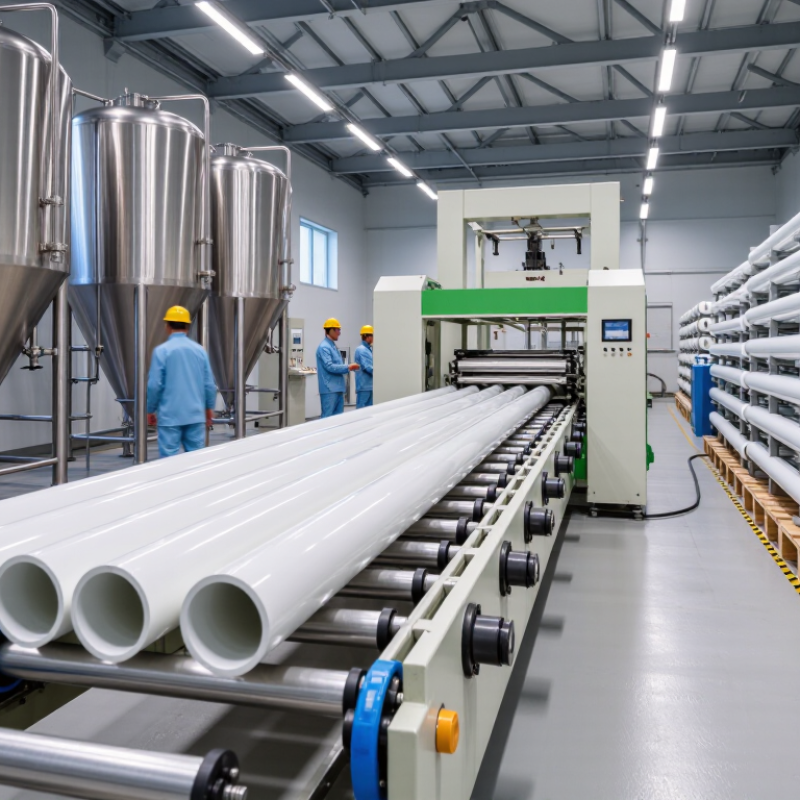
Manufacturing starts with accurate weighing and dry blending. Heat and friction help distribute additives around the resin particles. The blended powder then enters an extruder, where controlled temperature and shear create a uniform melt. It is shaped, cooled, and often pelletized for transport. Moisture control matters. Even small variations can cause surface marks, weak weld lines, or unstable dimensions. The process is reliable, but never automatic. Operators still need to check torque, melt temperature, color, and batch consistency.

Tips: Select compounds against the finished product’s service conditions, not only its purchase price. Review technical data sheets, migration information, weathering results, and processing windows. ISO 1163-1 identifies PVC-U designation principles, while ISO 527 can support tensile testing of finished specimens. Test samples from every production lot when performance is critical. A laboratory result is useful, but production behavior may differ. That gap deserves attention. Manufacturers should also compare recycled-content goals with impact strength, color stability, and long-term durability before changing the formulation.

Which Properties Make UPVC Compounds Suitable for Manufacturing?

UPVC compounds combine practical performance with scalable processing, making them suitable for global manufacturing. Their rigid structure supports dimensional stability in profiles, pipes, panels, and electrical housings. With suitable stabilizers and impact modifiers, manufacturers can adjust strength, weather resistance, and surface quality for different markets.

Corrosion resistance is a major advantage. UPVC does not rust like steel, and it tolerates moisture, salts, and many household chemicals. It also offers low thermal conductivity, helping reduce heat transfer in building applications.

The European PVC industry’s 2023 recycling progress report recorded 813,266 tonnes of PVC recycled in 2022. This figure shows growing material recovery, although collection systems still vary widely between regions. Recycling is improving, not perfect.

Fire performance also matters. UPVC is naturally less flammable than many common polymers, but compound formulation and product design remain critical. Manufacturers should verify results through recognized testing standards, rather than relying on generic claims.

Tips: Select stabilizers for the local climate. Test UV exposure, impact strength, and dimensional change before full production. Small formulation changes can affect color, processing temperature, and long-term reliability. Check regional standards early. Mistakes become expensive later.

How Do UPVC Compounds Support Efficient Production Processes?

Why Choose UPVC Compounds for Global Manufacturing?

How Do UPVC Compounds Support Efficient Production Processes?

UPVC compounds help manufacturers create steadier production conditions across extrusion and injection molding lines. Their pre-balanced formulation can reduce manual dosing and shorten preparation time. Operators receive a more consistent feedstock for profiles, pipes, fittings, and technical parts. This matters when several facilities must reproduce the same dimensions and surface quality.

Process stability starts with accurate control. A well-designed compound supports predictable melt flow, thermal behavior, and fusion during processing. It can reduce adjustment cycles, material waste, and unplanned line stops. In practice, technicians still monitor barrel temperatures, screw speed, pressure, and cooling performance. Small changes in local equipment can affect the result.

Consistency is useful.

Reliable production also depends on storage and handling. Dry, clean storage helps prevent contamination and packaging damage. Quality teams may check color, density, impact performance, and dimensional tolerance between batches. These checks provide evidence rather than assumptions. Yet no compound removes every production challenge. Recycled content, climate conditions, tooling wear, and operator experience can change outcomes. A formulation that performs well on one line may need careful tuning elsewhere. This is where trial runs and documented process records remain essential. Manufacturers should review defects honestly, even when the compound appears technically suitable.

Where Are UPVC Compounds Used Across Global Industries?

UPVC compounds support many industries because they combine rigidity, weather resistance, and consistent processing. In construction, manufacturers use them for window profiles, door frames, wall panels, and drainage pipes. Their smooth surfaces resist moisture and simplify routine cleaning. In electrical production, UPVC compounds can form conduit, trunking, and cable protection systems. Performance depends on the formulation, thickness, and required safety standard.

Beyond buildings, UPVC compounds appear in agricultural irrigation, refrigeration components, and selected automotive interior parts. Factory engineers value their dimensional stability during cutting, extrusion, and assembly. A white window profile may leave the line at a steady temperature, while a pipe needs reliable pressure performance. Small process changes can still affect impact strength. This is where real production experience matters. The material is useful, but not universal. High-temperature environments may require another polymer.

Tips: Match the compound to the application, climate, and processing method. Check impact strength, UV resistance, flame behavior, and chemical exposure before production. Test samples under realistic conditions, not only in a laboratory. Also review regional standards and installation practices. A formulation that performs well in a dry warehouse may behave differently beside a hot, humid coastline. Mistakes happen. Careful validation reduces expensive replacements and protects long-term product reliability.

What Factors Guide the Selection of UPVC Compounds Worldwide?

Why Choose UPVC Compounds for Global Manufacturing?

Worldwide selection depends on climate, processing equipment, regulations, and service life. A compound for window profiles must survive heat, rain, ultraviolet exposure, and repeated temperature changes. This is not a simple price decision.

The global PVC market was valued at about USD 45 billion in 2023, according to Grand View Research. That scale reflects strong demand in construction, infrastructure, and durable products. However, market size does not guarantee the right formulation. Manufacturers should compare impact strength, weathering resistance, melt flow, whiteness, and dimensional stability. Testing should follow relevant international standards and include accelerated ageing, not only laboratory appearance. In hot regions, poor heat stability may cause yellowing during extrusion. In colder areas, insufficient impact modification can create brittle profiles. Local calcium carbonate quality also affects surface finish and processing consistency.

Tips: Request a complete technical data sheet and batch certificate. Test the compound on your own extrusion line. Check performance after heat ageing and impact testing. Review recycled-content claims carefully, because definitions vary by market. A third-party laboratory can verify supplier data.

Recyclability is becoming a stronger purchasing factor. VinylPlus reported that more than 730,000 tonnes of PVC waste were recycled in Europe in 2023. Still, recycling performance depends on collection systems and contamination control. A cheaper compound may appear efficient on paper, yet create more waste through unstable production. No formulation wins everywhere. Engineers should balance material cost, machine settings, climate exposure, compliance, and expected service life. That balance is often imperfect, but measurable.

Why Choose UPVC Compounds for Global Manufacturing? - What Factors Guide the Selection of UPVC Compounds Worldwide?
Selection Factor Why It Matters Typical Technical Benchmark or Requirement Worldwide Considerations How It Guides Compound Selection
Mechanical Strength Profiles, pipes, conduit and fittings must resist handling loads, pressure, impact and long-term service stresses. Rigid PVC compounds commonly provide tensile strengths of approximately 40–55 MPa, depending on formulation, processing and test method. Construction codes and product standards may specify different minimum values for pipes, windows, doors, electrical conduit and other applications. Choose a compound with the required tensile strength, modulus, impact resistance and dimensional stability for the finished product.
Thermal Performance UPVC products can experience temperature changes during processing, transport and outdoor service. Rigid PVC generally has a Vicat softening temperature in the approximate range of 75–85 °C, depending on grade and formulation. Hot climates, cold-weather installation and solar exposure can create different requirements for thermal stability and low-temperature impact performance. Select a compound with an appropriate Vicat value, heat-deflection behavior and low-temperature toughness for the target climate.
Weatherability and UV Resistance Outdoor products must retain color, surface quality, impact performance and dimensional integrity under sunlight and moisture. Outdoor formulations typically use UV stabilizers, suitable pigments and impact modifiers; performance should be verified through accelerated or natural weathering tests. Solar intensity, humidity, coastal exposure and local weathering-test requirements vary considerably between regions. Use an outdoor-grade formulation when the product is exposed to sunlight, with test data matched to the intended service environment.
Fire Performance Electrical conduit, building products and interior components may need controlled ignition, flame spread and smoke behavior. UPVC is naturally less flammable than many common polymers because of its chlorine content, but the final classification depends on thickness, additives and test method. Fire classifications and test methods differ by market and application, including building, electrical and transport sectors. Choose a formulation that meets the exact flame, smoke and self-extinguishing requirements of the destination market.
Chemical and Corrosion Resistance Pipes, tanks and protective components may contact water, salts, acids, alkalis, detergents or industrial chemicals. UPVC generally offers strong resistance to many aqueous acids, alkalis and salts, while performance depends on concentration, temperature, exposure time and stress. Water chemistry, industrial process conditions and local infrastructure requirements influence chemical-resistance needs. Match the compound and product design to the specific chemical medium, operating temperature and pressure conditions.
Processing Stability UPVC is sensitive to excessive heat and shear; poor processing control can cause discoloration, defects and loss of mechanical performance. Processing windows are commonly controlled around approximately 160–200 °C, depending on formulation, equipment and residence time. Different plants may use extrusion, injection molding or calendaring equipment with varying screw designs, throughput and temperature control. Select a compound with predictable fusion behavior, adequate thermal stability and compatibility with the available processing equipment.
Dimensional Stability Accurate dimensions are essential for window systems, pipe joints, electrical fittings and assembled components. The required dimensional change is normally defined by the applicable product standard and measured after heat exposure or conditioning. Tolerance requirements can vary according to national standards, installation practices and the complexity of the finished profile. Use a formulation with controlled shrinkage, suitable filler balance and stable melt processing characteristics.
Density and Material Efficiency Density affects product weight, transport cost, handling and the amount of material required per finished component. Unfilled rigid PVC typically has a density of approximately 1.35–1.45 g/cm³; fillers and modifiers can change the final value. Freight distance, installation labor and sustainability targets may make weight optimization more important in some markets. Balance density reduction against stiffness, impact strength, surface quality and compliance requirements.
Regulatory and Substance Compliance Global products must meet restrictions concerning additives, heavy metals, emissions and contact with sensitive environments. The formulation should be assessed against applicable chemical restrictions, drinking-water requirements, electrical regulations and building-product rules. Requirements may differ between jurisdictions, especially for potable water, children’s products, indoor use and electrical applications. Request a complete declaration of composition, restricted-substance status and application-specific compliance documentation.
Recyclability and Life-Cycle Performance Long service life and the ability to recover production or post-use material can reduce environmental impact and material waste. PVC products can be mechanically recycled when material streams are identified, separated and processed under controlled conditions. Collection systems, recycled-content rules and end-of-life infrastructure vary widely across countries. Consider compatible recycled content, traceability, product durability and the practical recycling route available in the target market.
Quality Consistency and Supply Reliability Stable batch-to-batch performance reduces production interruptions, rejection rates and qualification costs. Important controls include melt flow or fusion behavior, density, color, thermal stability, impact performance and lot traceability. Long supply routes, customs procedures and differences in local technical support can affect continuity of production. Prioritize documented specifications, consistent testing, quality records and a supply plan suitable for multiple production locations.
Technical values are representative ranges for unplasticized PVC compounds and should be confirmed against the applicable product standard, test method, formulation and end-use conditions.