Top Uses of PVC Pellets for Injection Molding in Various Industries?
The use of PVC pellets for injection molding has surged across various industries, demonstrating remarkable versatility. According to a recent market report by Grand View Research, the global PVC market is projected to reach USD 75.85 billion by 2025. This growth is largely driven by the increasing demand for durable and cost-effective materials in sectors such as automotive, construction, and consumer goods.
Manufacturers appreciate PVC pellets for their excellent molding properties. They can easily be shaped into complex designs, offering significant production efficiency. However, some challenges exist, such as concerns over environmental impact. The recycling of PVC materials remains a topic for improvement, as highlighted in several sustainability studies.
Despite these issues, the benefits of using PVC pellets for injection molding cannot be overlooked. They provide reliable performance and can enhance product longevity. As manufacturers adapt to industry demands, the continued use of PVC pellets in injection molding is expected to evolve, reflecting both advancements in technology and a growing commitment to sustainability.
Overview of PVC Pellets and Their Properties in Injection Molding
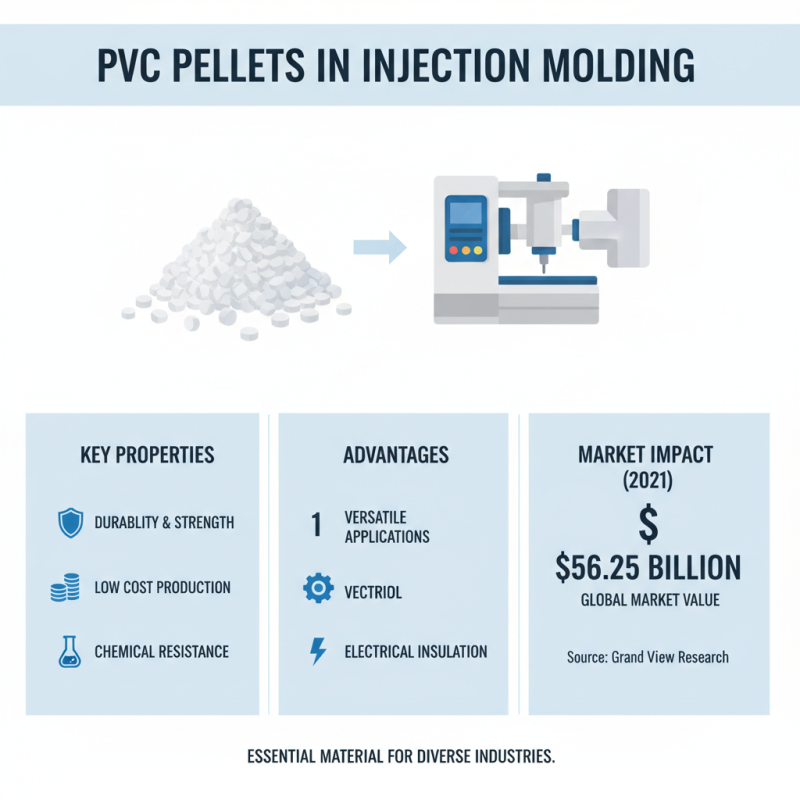
PVC pellets are a crucial material in the injection molding process. Their versatility stems from unique properties such as durability, low cost, and excellent chemical resistance. According to a report by Grand View Research, the global PVC market size was valued at $56.25 billion in 2021, illustrating its importance across multiple industries.
In the automotive sector, PVC pellets are used for interior components, providing lightweight solutions without compromising safety. The plastics become hard or soft based on their formulation. This adaptability allows manufacturers to tailor products to specific needs. However, challenges persist. For instance, maintaining consistent quality can be tough due to variations in raw material sources.
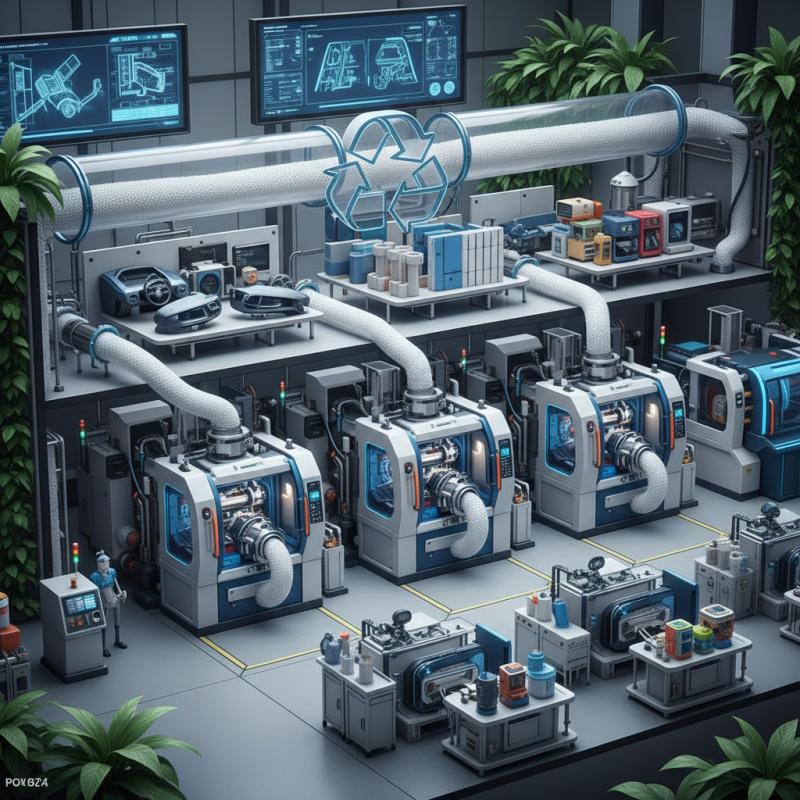
Moreover, PVC has faced increased scrutiny over environmental concerns. The production process can release harmful substances. Addressing these issues requires innovation in recycling and sustainability practices. Industry stakeholders are exploring new formulations and additives to enhance recyclability. Despite these hurdles, the demand for PVC in construction, healthcare, and consumer goods continues to drive growth and innovation.
Common Industries Utilizing PVC Pellets for Injection Molding
PVC pellets have gained significant traction in various industries for injection molding due to their versatility and durability. The automotive sector often utilizes these pellets for manufacturing components like dashboards and interior trims. These parts require materials that withstand temperature changes and offer excellent insulation. In the consumer goods industry, PVC is commonly used to create items such as toys and household products, where safety and robustness are paramount.
In the construction industry, PVC pellets find applications in making piping and fittings. These products are vital due to their resistance to corrosion and ease of installation. Additionally, the medical field benefits from PVC’s ability to be sterilized, making it ideal for components like tubes and connectors. The adaptability of PVC allows it to meet diverse requirements across many markets.
Tips: When selecting PVC pellets, consider their grades. High-quality pellets contribute to better flow and finish in the final product. Always prioritize materials that meet industry standards. Additionally, remember that while PVC is durable, recycling options should be assessed for sustainability.
PVC gas a reliable choice in many applications, but it’s important to understand the specific needs of your project. Not all PVC grades are the same. Understanding variations in formulation can impact product performance. Engage with suppliers for advice on material selection.
Benefits of Using PVC Pellets in Manufacturing Processes
PVC pellets have grown increasingly popular in various manufacturing processes. They offer distinct advantages, particularly for injection molding. The versatility of PVC makes it suitable for different applications. Industries utilize PVC for pipes, profiles, and automotive parts.
One significant benefit of using PVC pellets is their excellent durability. They resist impact and corrosion, leading to long-lasting products. Additionally, PVC is lightweight, enhancing transportation efficiency. This can reduce overall production costs. The material is also easy to process, which accelerates project timelines.
However, working with PVC pellets requires careful consideration. The manufacturing process can produce harmful emissions if not properly managed. Manufacturers must ensure compliance with environmental regulations. Overall, while PVC pellets are advantageous, it is essential to address these potential challenges for sustainable use.
Top Uses of PVC Pellets for Injection Molding in Various Industries
| Industry |
Application |
Key Benefits |
| Packaging |
Flexible containers and films |
Durability and moisture resistance |
| Automotive |
Interior paneling and trims |
Weight savings and aesthetic appeal |
| Construction |
Pipes and fittings |
Corrosion resistance and longevity |
| Medical |
Medical tubing and devices |
Biocompatibility and sterility |
| Electronics |
Insulation and casings |
Electrical resistance and thermal stability |
| Consumer Goods |
Household items and toys |
Safety and versatility in design |
Innovative Applications of PVC Pellets Across Different Sectors
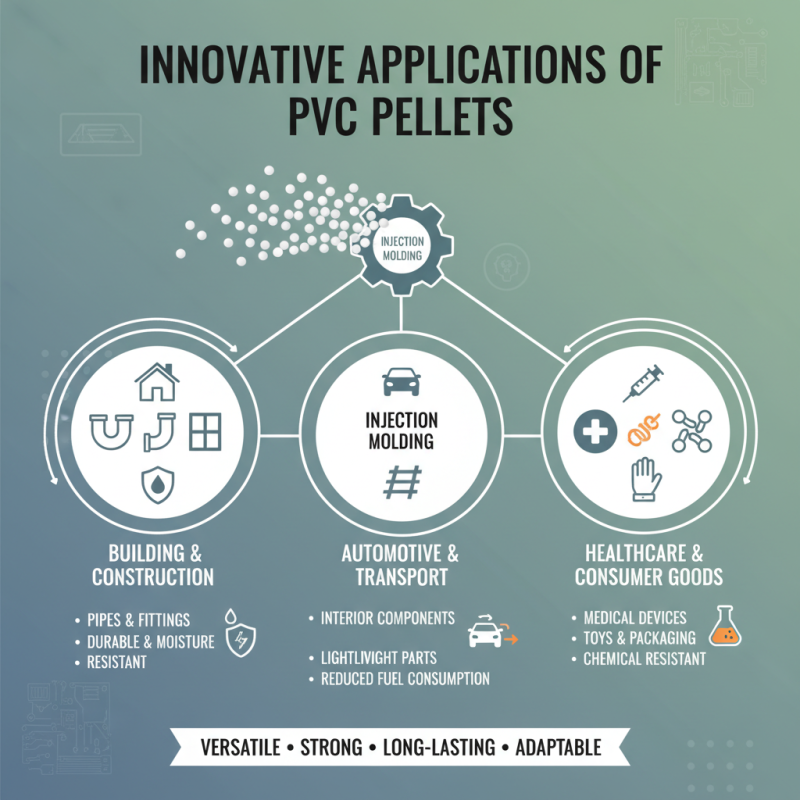
PVC pellets are versatile materials widely used in injection molding across various sectors. These pellets allow for the creation of lightweight yet durable products. They are particularly popular in building and construction applications. PVC's resistance to moisture and chemicals makes it ideal for pipes, fittings, and siding. These applications benefit from the material's inherent strength and longevity.
In the automotive industry, PVC pellets are utilized in manufacturing interior components. Their flexibility and aesthetic appeal make them suitable for dashboards, door panels, and trims. Furthermore, PVC is easy to mold into complex shapes, allowing for innovative designs. A notable example is the use of PVC for electric vehicle components, where reducing weight and enhancing efficiency are paramount.
Tips for working with PVC pellets include ensuring proper temperature settings during the molding process. Too high temperatures can degrade the material. Additionally, consider mixing PVC with other additives to improve performance traits like impact resistance. Regular maintenance of molding machines can prevent issues, ensuring a consistent product quality. Reflecting on your processes can lead to better efficiency and innovative uses of PVC in the future.
Future Trends in PVC Pellets for Injection Molding Technology
The future of PVC pellets in injection molding looks promising, driven by innovation and sustainability. Recent reports indicate that the global demand for PVC materials is projected to grow by over 4% annually through 2028. This growth is fueled by advancements in resin technology, enhancing mechanical properties and thermal resistance. Various industries are adapting these improvements, showcasing the versatility and reliability of PVC in applications ranging from automotive parts to consumer goods.
Sustainability is reshaping the PVC landscape. Manufacturers are exploring bio-based alternatives to traditional PVC, aiming to reduce environmental impact. A study by the Plastics Industry Association found that 73% of companies are investing in sustainable practices. This shift includes the usage of recycled PVC pellets, which can significantly lower production costs while maintaining quality. Despite these advancements, challenges remain, such as the need for better recycling processes and the desire for more eco-friendly additives in PVC production.
Innovation is also shifting towards smart manufacturing technology. Data integration and automation can enhance production efficiency, but they require significant initial investments. Future strategies will need to address not only cost but also the potential risks involved in transitioning to advanced technologies. Balancing innovation with reliable practices will be crucial for industries looking to harness the full potential of PVC pellets in their manufacturing processes.