

Your Compounder of Choice

Mon - Fri: 8:00 - 16:30 | Sat & Sun: Closed

Who Are the Top Spirulina Powder Suppliers in China?

China has become an important source of Spirulina Powder, serving food, supplement, and ingredient buyers worldwide. Yet “top supplier” should mean more than a polished website or a low quotation. Buyers need to compare cultivation controls, batch consistency, testing, documentation, and responsiveness. Small differences matter. A sample may look vivid green, but color alone cannot confirm quality.

Spirulina researcher Ripley D. Fox is widely associated with promoting spirulina as a nutritious food. A cautious summary of his message is: “Spirulina’s promise depends on careful cultivation and credible evidence.” This is a paraphrase, not a verified verbatim quotation. It offers a useful lens for assessing Chinese suppliers. This guide will compare manufacturers and exporters by product range, quality systems, traceability, and buyer support. It will also distinguish factory capabilities from trading-company services, since those roles are not interchangeable. Ask for recent, batch-specific test reports, clear specifications, and details about how samples match production orders. Check whether the supplier explains its process plainly. Vague answers deserve follow-up. Even strong paperwork has limits, so verify important claims independently where practical. The shortlist is a starting point, not a guarantee. Supplier strengths can change, and the right partner depends on your intended application, target market, and purchasing needs.
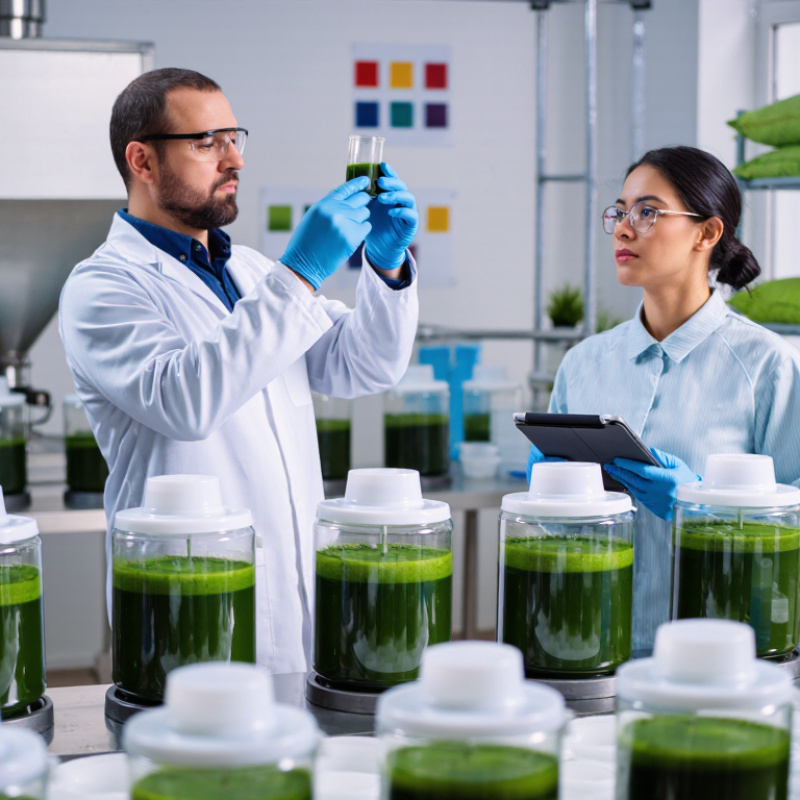
Who Are the Top Spirulina Powder Suppliers in China?

Spirulina Powder Basics: FAO-Reported Protein Content of 60–70%

Spirulina powder is often described as a high-protein ingredient. A FAO technical review reports protein levels around 60–70% of dry weight. That is substantial. The figure refers to dried biomass, not a serving of prepared food, so it should not be read as 60–70 grams of protein per 100 grams of any finished product. The report, A Review on Culture, Production and Use of Spirulina, also makes clear that composition can vary with cultivation and processing. A number alone tells only part of the story.

For buyers comparing Chinese suppliers, ask for a recent certificate of analysis showing the protein result, test method, and batch identification. Check whether the value is reported on a dry-weight basis. Moisture can change the percentage shown for powder, and different analytical methods may produce different results. One caveat: supplier documents can look precise while leaving the method unclear. That deserves a follow-up question, not an assumption.

Tips: Compare like with like: same basis, same method, and a batch-specific report. FAO’s 60–70% range is useful context, not a guarantee for every shipment. A little skepticism helps.

China’s Spirulina Supply Chain: From Cultivation Ponds to Dried Powder

China’s spirulina supply chain starts in shallow cultivation ponds, where light, temperature, pH, and nutrient balance influence growth. Operators sample the water and watch for changes in color or surface condition. A pond may look healthy while producing uneven biomass. Small details matter.

Once harvested, the algae are filtered and dewatered before drying. The drying method affects color, aroma, moisture, and how easily the powder disperses. Some processors use spray drying; others choose different systems based on scale and product needs. The process should limit heat exposure and protect the material from dust and moisture. It is not always perfectly consistent. Seasonal weather and equipment settings can shift a batch’s texture or shade.

For buyers comparing suppliers, useful records include pond monitoring, harvest dates, drying conditions, and batch-level test results. Ask how the supplier checks moisture, microbial quality, and heavy metals, and whether those results match the specific lot offered. A certificate is useful, but it does not answer every question about handling or traceability. Packaging also matters: sealed, moisture-resistant bags help protect powder during storage and shipment. A careful review of these steps reveals more than a low price alone.

How to Evaluate Suppliers Using COAs, Microbial Tests, and Heavy-Metal Limits

A reliable spirulina powder supplier should provide a batch-specific COA, not a generic product sheet. Check that it shows the lot number, test date, analytical methods, units, and laboratory details. Prefer results from an ISO/IEC 17025-accredited laboratory. Match the COA lot to the bags you receive. Small detail. It matters.

For microbial checks, request results for Salmonella, E. coli, total aerobic count, and yeast and mold. The purchase specification can require Salmonella to be absent in a 25-gram sample, while clearly stating this is your acceptance criterion, not a universal limit. Ask for the test method and sample size. Compare several production batches; one clean report is thin evidence. A powder’s bright green color proves nothing.

For heavy metals, test lead, cadmium, mercury, and arsenic; request inorganic arsenic results where relevant. EU Regulation 2023/915 sets a 1 mg/kg cadmium maximum for most food supplements and a separate 3 mg/kg category for certain seaweed-based supplements. Spirulina’s classification should not be assumed. Codex CXS 193-1995 also treats contaminant limits by food category, rather than setting one global spirulina limit. Ask the supplier to report actual values, detection limits, and the destination-market specification. Thresholds can differ. That part deserves a second look.

Comparing Leading Chinese Suppliers by Certifications, Capacity, and Export Markets

China’s spirulina powder suppliers are best compared through verifiable records, not polished brochures. Check whether each facility holds relevant food-safety certifications, such as HACCP or ISO 22000, and confirm that certificates cover the actual production site. Organic certification matters only when your product specification requires it. Ask for recent audit documents and batch-level test reports, including protein content, moisture, and contaminant results. Details matter.

Capacity needs context. A supplier may quote a large monthly output, yet seasonal harvesting or drying constraints can affect delivery. Request typical production volumes, lead times, and evidence of lot traceability. Export experience also varies: suppliers serving several regions may be familiar with differing label formats and shipping documents, but verify experience in your destination market. Paperwork is not performance. A sample shipment can reveal uneven color, a grassy odor, or clumping that a spreadsheet misses.

Tips: Compare like with like. Ask each supplier to quote the same grade, packaging size, test requirements, and delivery terms. Check whether reported capacity is dedicated to spirulina powder or shared across other products. If a claim sounds unusually precise, ask how it was measured. I would not rank suppliers from a certificate list alone; responsiveness and consistent batch records deserve equal attention.

Buyer Checks: Verify Batch Traceability and the Claimed 60–70% Protein Content

A claimed 60–70% protein level is a starting point, not proof of a specific batch’s composition. The FAO’s 2008 report, A Review on Culture, Production and Use of Spirulina, describes protein levels in that range for dried biomass. USDA FoodData Central lists dried spirulina at 57.47 grams of protein per 100 grams. Different samples and testing bases can produce different results.

Ask for a certificate of analysis tied to the exact lot number. Check the protein result, test date, laboratory, and method. Confirm whether the figure is reported as received or on a dry-matter basis; moisture changes the comparison. A certificate is not the batch itself. Match its lot number to packaging records, production dates, and the supplier’s traceability documents. Not always easy.

For a practical check, request a recent sample from the same production lot and arrange independent testing. Compare the result with the certificate, allowing for stated measurement uncertainty. Also ask how the supplier traces raw material through cultivation, drying, and packing. A polished document can look convincing; a clear chain of records is more useful. If the supplier cannot explain a discrepancy, pause before placing a large order.