Top 10 Plastic Moulding Techniques for Global Buyers?
In the rapidly evolving world of manufacturing, plastic moulding has become a critical process for global buyers. These techniques allow businesses to create diverse products efficiently and cost-effectively. Yet, navigating the various plastic moulding options can be daunting.
Companies must understand the pros and cons of each technique. Some methods may offer speed, while others provide finer detail. The choice often depends on the project’s specific requirements, such as complexity, volume, and material type. Buyers might find themselves overwhelmed by choices. It’s essential to research thoroughly and consult with experts in plastic moulding.
Sustainability is another concern. As environmental awareness grows, choosing eco-friendly materials and processes in plastic moulding is increasingly important. Buyers must reflect on their choices, recognizing both the benefits and the limitations of different techniques, ensuring they align with their values and goals.

Overview of Plastic Moulding Techniques in Global Manufacturing
Plastic moulding techniques play a crucial role in modern manufacturing. With the global market for plastic products projected to reach $700 billion by 2025, understanding these techniques is vital. Various moulding methods, such as injection moulding, blow moulding, and rotational moulding, each have unique features and applications.
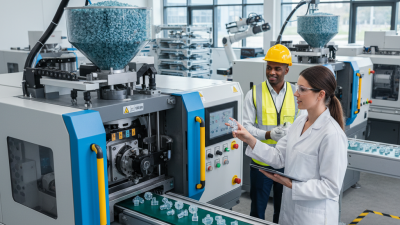
Injection moulding accounts for over 30% of the plastic production market. It's efficient, ideal for high-volume production, and offers precision in details. Manufacturers often rely on this method for creating intricate designs and complex shapes. However, initial tooling costs can be high, which might deter small-scale producers.
Blow moulding is another significant technique, especially for manufacturing hollow objects like bottles. It represents nearly 25% of plastic production. While it has benefits like speed and material efficiency, it is less suitable for intricate designs. Companies must weigh these factors and adapt accordingly. As industries evolve, hybrid moulding techniques are emerging. These aim to leverage the strengths of individual methods while minimizing their weaknesses. Adapting to technological advances can be challenging, but it’s essential for staying competitive.
Understanding Injection Moulding: Process and Applications
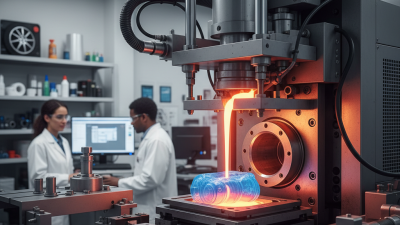
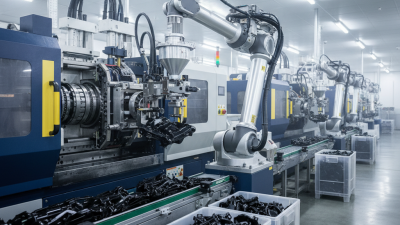
Injection moulding is a widely used technique in the plastics industry. This method allows for the mass production of complex shapes with high precision. According to a report by MarketsandMarkets, the injection moulding market is expected to reach USD 313.72 billion by 2025, driven by its efficiency and versatility. The process involves injecting molten plastic into a mould. Once cooled, the mould is opened, and the finished part is ejected.
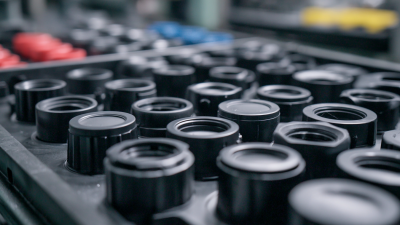
Applications for injection moulding span various sectors, including automotive, consumer goods, and electronics. It is particularly beneficial for creating intricate designs, such as plastic housings and connectors. Despite its advantages, the process can generate plastic waste and poses challenges regarding recycling. Industry experts emphasize the need for sustainable practices in injection moulding to minimize environmental impact.
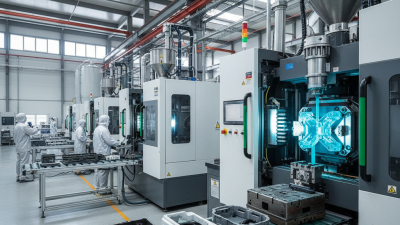
Quality control is vital in injection moulding. Variations in temperature or pressure can affect the final product's integrity. Implementing advanced monitoring systems can mitigate these issues but requires investment and expertise. Continuous improvement in techniques is necessary to keep up with evolving market demands. Understanding these complexities in the injection moulding process allows global buyers to make informed decisions.
Exploring Blow Moulding: Techniques and Benefits
Blow moulding is a versatile technique widely utilized in the plastic manufacturing sector. It involves inflating heated plastic into a mould cavity, producing hollow parts. This method is ideal for creating items like bottles, containers, and various other shapes. The process is efficient and can yield products with uniform thickness, which is crucial for many applications.
To optimize blow moulding, keep several factors in mind. Precise temperature control is essential. If the plastic is too hot or too cool, production can falter. Another important point is the selection of raw materials. Different plastics offer varied properties. Choosing the right material can enhance the final product’s durability and usability.
Consider the design of the mould itself. Complex designs can lead to difficulties in manufacturing and may require additional costs. However, investing in well-designed moulds can improve productivity and reduce scrap rates. Collaboration with experienced engineers can yield significant benefits during this phase. Remember, evaluating your previous projects for recurring issues can help you refine your processes and avoid future pitfalls.
An Insight into Rotational Moulding: Uses and Advantages
Rotational moulding is a prominent plastic moulding technique widely used across various industries. This method involves heating plastic resin within a hollow mould. The mould rotates, allowing the resin to coat its walls evenly. This technique is ideal for producing large, hollow parts like tanks and toys. It offers unique advantages, such as lower production costs and reduced material wastage.
One of the key benefits of rotational moulding is its flexibility. It allows for intricate shapes and designs that traditional methods might struggle to achieve. Additionally, the resulting products often have a seamless finish, enhancing durability. However, it's important to remember that not every plastic type is suitable for this process. Focusing on the right material can significantly impact the end product's quality.
When considering rotational moulding for projects, prioritize planning. Define your product’s specifications early to avoid costly revisions later. Test different resin formulations to find the best fit. Regularly assess production processes for improvements. Reflecting on these aspects can lead to better efficiency and product outputs in the long run.
Top 10 Plastic Moulding Techniques for Global Buyers
| Technique |
Uses |
Advantages |
Materials Commonly Used |
Production Volume |
| Rotational Moulding |
Large containers, tanks, toys |
Cost-effective, versatile, seamless |
Polyethylene, nylon |
Medium to high |
| Injection Moulding |
Automotive parts, electronics |
High precision, speed |
ABS, polycarbonate, PVC |
High |
| Blow Moulding |
Bottles, fuel tanks |
Lightweight, high strength |
Polyethylene, polypropylene |
Medium to high |
| Extrusion Moulding |
Pipes, sheets, films |
Continuous production, flexible |
PVC, LDPE, HDPE |
High |
| Compression Moulding |
Electrical housings, automotive parts |
Low cost for large parts |
Thermosetting plastics |
Medium |
| Thermoforming |
Food containers, packaging |
Rapid prototyping, low tooling costs |
PVC, PET, polystyrene |
Low to medium |
| 3D Printing |
Prototypes, custom parts |
Customization, low waste |
PLA, ABS, nylon |
Low |
| Vacuum Forming |
Displays, packaging |
Simple production, cost-effective |
POLYCARBONATE, PVC |
Low to medium |
| Rotary Moulding |
Products requiring uniform wall thickness |
Good surface finish, flexible designs |
Polyethylene, polyurethane |
Medium to high |
Comparative Analysis of Thermoforming and Compression Moulding Techniques
Thermoforming and compression moulding techniques are popular methods in plastic manufacturing. Each has unique benefits and limitations. Thermoforming involves heating plastic sheets until pliable and then shaping them over molds. This method is efficient for large-scale production. It allows for complex shapes and detailed designs. However, the initial setup cost for molds can be high.
Compression moulding, on the other hand, uses heat and pressure to shape materials. This technique is particularly suited for thicker parts. It often requires less energy than thermoforming. Nonetheless, the cycle time can be longer. Additionally, achieving uniformity in thick sections can be challenging.
Buyers must consider factors like desired product thickness, volume, and budget. Both methods can deliver durable products. However, the choice often depends on specific project requirements. It's essential to weigh these trade-offs carefully. Overall, understanding the nuances can lead to better procurement decisions in the competitive plastic industry.