China’s plastic granules market includes large manufacturers, specialized compounders, and trading companies. Their catalogs may look similar. Their production controls often are not.
“Plastic is not the problem; plastic litter is,” is a perspective associated with polymer scientist Chris DeArmitt. For buyers, that reminder supports a broader point: evaluate material performance and supplier practices, not sales claims alone. Ask for a current technical data sheet and certificate of analysis. Check resin type, melt flow rate, moisture limits, color consistency, and batch traceability. Request samples from more than one production lot. Small differences matter. They can affect feeding, molding, surface finish, and scrap rates.
This guide examines leading Chinese suppliers of plastic granules and the evidence buyers should compare. It considers product range, manufacturing capability, quality systems, customization, export experience, and technical support. A supplier’s polished website is not proof of consistent output. Neither is a low quotation. Verify certifications and test records independently where possible, and clarify how the supplier handles specification changes or rejected batches. No shortlist is perfect. Supplier information can change, and public claims may be incomplete. Use the comparisons as a starting point, then confirm details directly before placing an order.
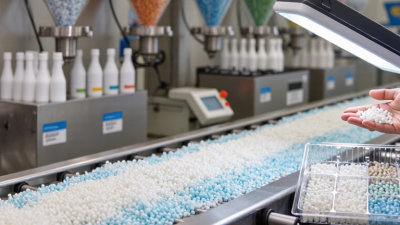
Plastic granules are small, solid pellets used as feedstock in plastic manufacturing. Processors heat and melt them, then shape the material through methods such as injection molding or extrusion. Their consistent size helps equipment feed material steadily, though pellet shape and flow can still vary. Small details matter.
One common classification is by resin family. Polyethylene and polypropylene are widely used for packaging and household products, while PET is common in bottles and fibers. ABS and polyamide are selected for parts that need particular strength or heat resistance. These are examples, not guarantees: grade and formulation affect performance.
Granules are also grouped as virgin or recycled, and by added ingredients. Colorants, glass fibers, and stabilizers can change appearance or performance. Recycled grades may show more variation in color, moisture, or melt flow, so buyers should check technical data and test samples for their process. A label alone can be misleading. Terms such as “engineering grade” are used broadly, and suppliers may classify products differently. Clear specifications—resin type, melt-flow value, color, and intended processing method—make comparisons more reliable.
China’s plastic granules supply industry is organized around several types of suppliers. Large resin producers make standard materials in high-volume batches. Independent processors may pelletize, blend, or modify resins for particular uses. Some specialize in recycled or color-matched grades; others focus on common polymers and steady delivery. That difference matters. A distributor can offer access to multiple grades, while a processor may provide more control over a specific formulation.
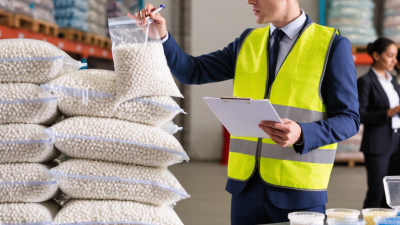
Suppliers reach buyers through direct sales, regional trading firms, and export-focused businesses. The right channel depends on order size, technical needs, and delivery schedules. Buyers can compare technical data sheets, batch records, and certificates of analysis before placing larger orders. Ask how batches are identified and whether specifications can be confirmed consistently. Samples help. Still, one sample cannot guarantee every later shipment will perform the same way. Supply chains can also be less transparent when several intermediaries are involved. That is worth checking, rather than assuming the lowest quotation tells the whole story.
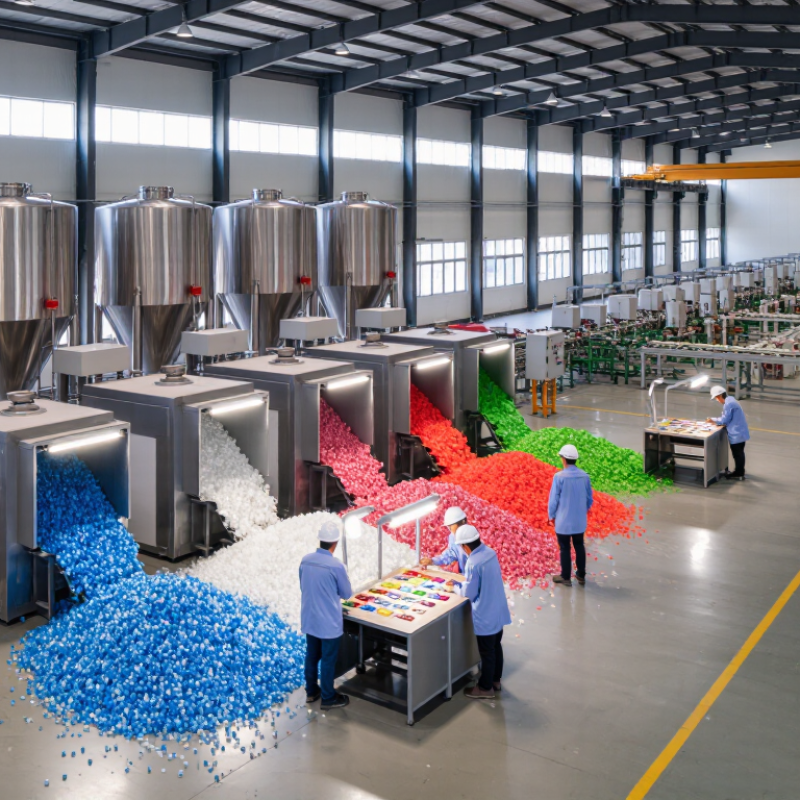
China’s leading plastic granule suppliers usually fall into several groups: large resin producers, specialist compounders, and regional manufacturers serving specific industries. Their strengths differ. Resin producers may offer broad material ranges and steady production, while compounders can adjust color, impact resistance, or flow for a particular application. Some suppliers focus on recycled granules and provide traceability and batch testing.
A capable supplier should explain the grade’s melt flow, moisture limits, and intended processing conditions in clear terms. Ask for a recent technical data sheet and a sample from the batch you may purchase. Check whether the sample runs consistently through your equipment; a clean-looking pellet is not proof of stable performance. One limitation is that supplier documents can look complete while real production varies. Verify details rather than relying on polished claims.
Tips: Compare three suppliers using the same specification. Request batch test results, color samples, and packaging details. Confirm production capacity and lead times in writing. Small checks matter. A short trial run may reveal feeding issues, uneven color, or excess moisture before a larger order.
| Supplier Segment | Common Granule Types | Typical Applications | Useful Specifications to Compare | Checks Before Ordering |
|---|---|---|---|---|
| Large-scale resin producers | Virgin polyethylene (PE), polypropylene (PP), and other commodity thermoplastics | Packaging, household goods, construction products, and molded components | Polymer grade, melt flow rate, density, mechanical properties, and applicable product standards | Confirm the producer or authorized supply channel, grade documentation, batch traceability, and delivery terms. |
| Plastic compounders | Engineered or modified granules, including filled, reinforced, flame-retardant, or color-matched grades | Automotive parts, electrical and electronic components, appliances, and industrial products | Base resin, additive or filler content, melt flow rate, strength, heat performance, and color tolerance | Request a technical data sheet, safety data sheet, test-method details, and samples for application testing. |
| Recycled plastic granule producers | Reprocessed PE, PP, PET, and other polymers, depending on feedstock and processing capabilities | Products whose specifications and regulations permit recycled content, such as certain packaging, molded goods, and construction items | Polymer identity, recycled-content documentation, contamination level, moisture, melt flow rate, and property consistency | Check the intended-use requirements, incoming-material controls, batch variation, and any applicable recycled-content claims. |
| Specialty and color masterbatch suppliers | Concentrated color or additive masterbatch pellets, generally used with a carrier resin | Coloring or modifying plastics during extrusion, injection molding, and other conversion processes | Carrier compatibility, pigment or additive content, dosage guidance, dispersion, and color consistency | Verify compatibility with the base polymer and processing conditions; approve a trial sample before production use. |
| Export-oriented distributors and trading suppliers | Various virgin, compounded, or recycled granules sourced from domestic producers | Supply programs requiring export documentation, consolidated orders, or access to multiple grades | Exact manufacturer and grade, origin, quantity, packaging, lead time, and shipment terms | Ask for the original grade documentation, confirm who is responsible for quality claims, and specify inspection and acceptance terms in the contract. |
China’s plastic granule suppliers commonly offer commodity resins such as polyethylene, polypropylene, polystyrene, and ABS. Some also provide engineering grades, recycled materials, color masterbatch, and compounded pellets. The right choice depends on the finished part. A packaging film, appliance housing, and injection-molded fitting need different flow, strength, and heat performance. Small details matter.
Services may include sample shipments, technical data sheets, color matching, and advice on processing temperatures. Some suppliers can adjust additives or blend materials to meet a buyer’s specifications. Ask for test reports and a certificate of analysis for the exact grade, not just a general product brochure. Requesting a small trial lot can reveal whether pellets feed evenly and produce consistent parts. A neat sample is useful, but it proves little on its own.
Export support can cover protective packaging, shipment coordination, and routine documentation. Confirm the packing weight, moisture protection, lead time, and how quality issues are handled before placing a larger order. Compare quotations carefully; a lower price may not include the same grade or service. I would still verify claims through independent testing when performance is critical. Supplier descriptions can be vague, and that is worth noticing.
Typical density ranges for common thermoplastic granules (g/cm³)
Common offerings include polyethylene (HDPE and LDPE), polypropylene (PP), polyvinyl chloride (PVC), and polyethylene terephthalate (PET) granules. Suppliers may also provide services such as custom compounding, color matching, recycled-material options, and export logistics. Density varies by grade and formulation; the ranges shown are representative, not supplier-specific specifications.
When comparing plastic granule suppliers in China, look beyond catalog prices. Ask for a current technical data sheet showing grade, melt flow rate, density, and recommended processing conditions. Match these details to your product and equipment; a small mismatch can affect filling, strength, or cycle time. Request samples from the same production grade you plan to order. Then run them on your own line, if possible. A sample that looks right may behave differently under heat and pressure.
Tips: Check whether the supplier can provide batch-specific test results, clear packaging labels, and a written process for handling quality complaints. Confirm lead time, minimum order quantity, payment terms, and shipping arrangements in writing. Keep the questions concrete.
Assess consistency, not just one successful sample. Ask how batches are identified and what inspection records accompany each shipment. If a supplier avoids reasonable technical questions, pause. A factory visit or live video walkthrough can help you verify production and storage conditions, but it is not a complete audit. Compare several quotations using the same grade and delivery terms. The cheapest offer may leave out testing, documentation, or freight details. Even careful checks have limits, so agree on acceptance criteria before placing a larger order.