Top 10 Benefits of Regenerative Oxidizer for Industrial Use?
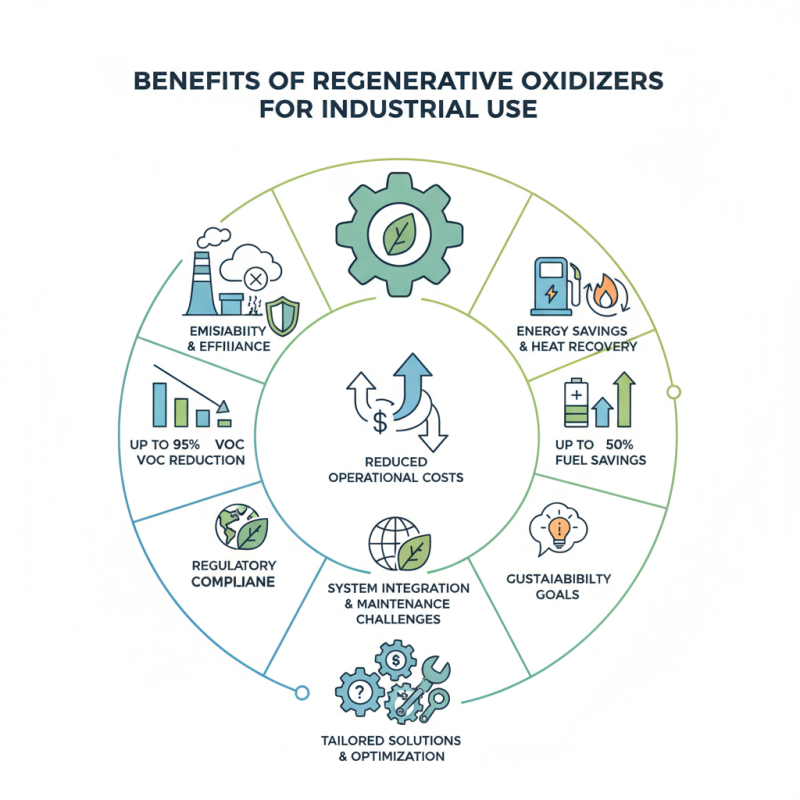
In today's industrial landscape, the emphasis on sustainability and efficiency has never been greater. Regenerative Oxidizers have emerged as a solution to improve air quality while reducing operational costs. According to a report by the Environmental Protection Agency, industries that utilize regenerative oxidizers can see emission reductions of up to 95% for volatile organic compounds (VOCs). This significant decrease benefits the environment and enhances compliance with stringent regulations.
The regenerative oxidizer works by capturing and reusing thermal energy in the process of combustion. This technology not only minimizes fuel consumption but also lowers greenhouse gas emissions. Studies indicate that companies implementing these systems experience energy savings of up to 50%. However, some users report challenges in system integration, indicating a need for more tailored solutions.
As industries strive to align with global sustainability goals, the adoption of regenerative oxidizers becomes crucial. Balancing operational efficiency with environmental responsibilities can lead to complexities. It's not just about installation; companies must consider ongoing maintenance and optimization. The potential benefits are evident, yet the path forward needs careful planning and reflection on operational practices.
Benefits of Regenerative Oxidizers in Reducing Emissions and Pollution
Regenerative oxidizers play a critical role in reducing emissions and pollution in industrial settings. These systems are designed to capture and treat volatile organic compounds (VOCs) and other harmful pollutants. By utilizing a two-chamber system, they harness waste heat to improve efficiency. This process significantly decreases harmful emissions released into the atmosphere.
The benefits extend beyond compliance with regulations. Companies can improve their overall sustainability image. Investing in regenerative oxidizers often leads to long-term cost savings through reduced energy consumption. Each facility faces unique challenges, and the implementation of these systems can require careful planning. Monitoring effectiveness is also essential, as not all installations yield the same results.
However, challenges remain. Maintenance can prove expensive and complicated if not managed properly. Some facilities may face incompatibility issues with existing infrastructure. Therefore, a thorough assessment is vital before making alterations in pollution control strategies. Optimization of these systems requires continuous evaluation to ensure they meet operational goals. Engaging experts in this field can lead to better decision-making and avoid potential setbacks.
Enhanced Energy Efficiency of Regenerative Oxidizers in Industrial Processes
Regenerative oxidizers play a crucial role in enhancing energy efficiency within industrial processes. They are designed to capture and reuse exhaust heat, which significantly reduces overall energy consumption. By using advanced materials and technology, these systems can achieve high thermal efficiency. This reduction in energy usage can lead to cost savings for businesses, benefiting both the environment and the bottom line.
However, there are challenges to consider. While regenerative oxidizers are efficient, they may require substantial upfront investment. The maintenance of such systems can also be complex. Operators must ensure that they are running optimally to avoid inefficiencies. Regular monitoring and maintenance help in this regard, but they add to operational costs. Additionally, understanding the specific needs of an industrial setting is vital to maximize the benefits.
The integration of regenerative oxidizers is not a one-size-fits-all solution. Different industries may experience varying degrees of efficiency improvement. Therefore, companies must evaluate their unique processes. It is essential to approach the implementation with a critical mindset. This ensures that the investment leads to sustainable energy practices, ultimately fostering environmental responsibilities.
Cost Savings from Reduced Heat Recovery and Fuel Consumption
Regenerative oxidizers can significantly reduce heat recovery and fuel consumption in industrial processes. By utilizing these systems, facilities can achieve substantial cost savings. The regenerative nature allows for higher thermal efficiency, capturing waste heat effectively. This process minimizes the energy needed for combustion, lowering fuel use significantly.
Moreover, the implementation of regenerative oxidizers can lead to fluctuating costs. While initial investments may seem high, the long-term savings often justify the expense. Companies might face challenges in adapting to new technology. Training staff and reassessing existing processes can be daunting. However, the potential for reduced operational costs and improved efficiency makes it a worthwhile consideration.
Understanding the operational benefits can empower industries to make informed decisions. When fuel consumption decreases, it directly impacts budget allocations and profit margins. Real-world data shows that many facilities transition to regenerative oxidizers, leading to promising results. It's essential to assess each situation individually and reflect on the possibilities. Transitioning isn't merely about switching systems; it involves a comprehensive strategy for energy management.
Top 10 Benefits of Regenerative Oxidizer for Industrial Use
This chart illustrates the top 10 benefits of using regenerative oxidizers in industrial applications. Each benefit has been scored based on its potential impact, with cost savings leading the list, followed closely by reduced emissions and improved operational efficiency. These factors contribute significantly to the overall sustainability and profitability of industrial processes.
Improvement of Air Quality Standards Through Advanced Oxidation Techniques
Regenerative oxidizers play a significant role in enhancing air quality standards, especially in industrial settings. The advanced oxidation techniques utilized in these systems effectively break down harmful pollutants. According to the U.S. Environmental Protection Agency (EPA), nearly 60% of industrial air emissions contain volatile organic compounds (VOCs). Regenerative oxidizers can reduce these emissions by up to 95%, showcasing their vital importance in meeting air quality regulations.
Studies indicate that air quality improvements are crucial for public health. The World Health Organization (WHO) links poor air quality to respiratory diseases and cardiovascular issues, affecting millions. In industries using regenerative oxidizers, a marked reduction in pollutants leads to cleaner air. However, reliance solely on technology may overlook necessary human factors. Ongoing training and awareness are essential to maximize these systems' effectiveness.
Despite promising statistics, there is room for improvement. Many industrial operations still encounter difficulties, such as initial setup costs and maintenance challenges. Addressing these aspects requires collaboration among stakeholders to promote a comprehensive approach to air quality improvement. Investing in regeneration technology alone might not suffice if operational practices do not evolve correspondingly. Emphasizing air quality through advanced oxidation techniques is a crucial step forward, but continuous evaluation is necessary to drive meaningful change.
Impact of Regenerative Oxidizers on Compliance with Regulatory Requirements
Regenerative oxidizers play a critical role in helping industries meet regulatory requirements. In recent years, stricter environmental laws have pushed many businesses to enhance their emissions control systems. According to a report from the U.S. Environmental Protection Agency, the adoption of advanced technologies can reduce volatile organic compounds (VOCs) by as much as 95%. Regenerative oxidizers offer an efficient solution to achieve compliance while minimizing operational costs.
One challenge remains. Some industries may struggle with the upfront investment of regenerative oxidizers. Initial costs can seem daunting, especially for smaller operations. However, the long-term savings on energy and waste disposal often outweigh these concerns. Research indicates that facilities employing regenerative oxidizers can save up to 50% on energy costs due to their ability to reclaim heat during the oxidation process. Industries must weigh these factors to make informed decisions.
The technology also helps in addressing specific regulatory frameworks, such as the National Emission Standards for Hazardous Air Pollutants (NESHAP). With the right systems in place, businesses can mitigate the risk of non-compliance. The implications of non-compliance can be severe, including hefty fines. Continuous improvement in emissions control technologies, like regenerative oxidizers, is essential for achieving compliance and sustaining operations.