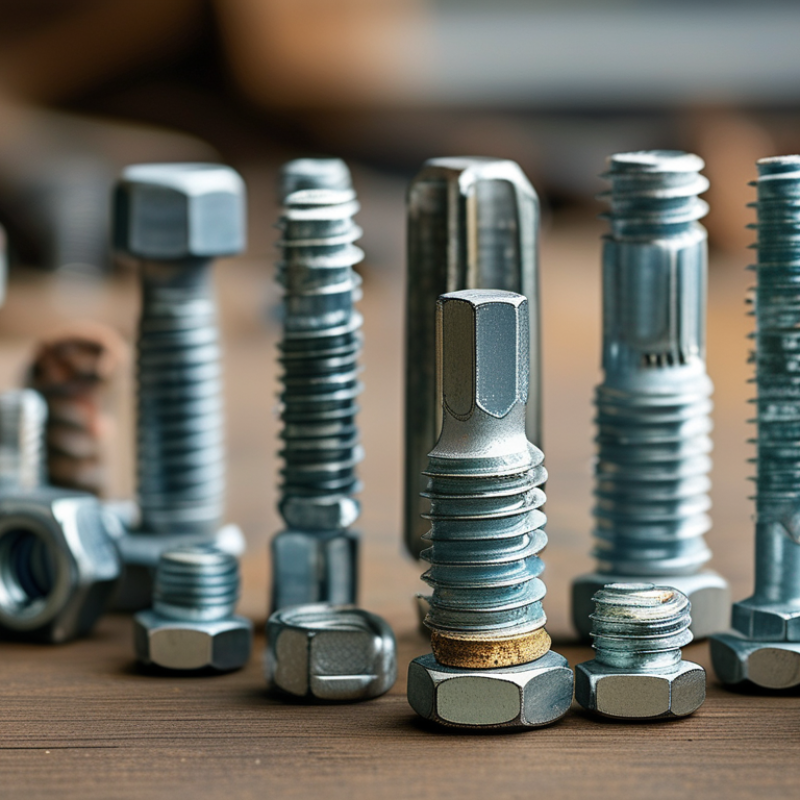
Essential Tips for Choosing Assorted Hex Bolts Effectively?
Choosing the right Assorted Hex Bolts can significantly affect your project’s outcome. These fasteners come in various sizes and materials, catering to different applications. Understanding how to select the appropriate type is crucial for durability and functionality.
When considering assorted hex bolts, pay attention to their specifications. Bolt grade, material, and coating can influence their performance. Each project may require a distinct set of features. Many shoppers overlook these details, leading to mismatched components and potential issues.
Reflect on your needs carefully. Are you working on a structural project or a simple repair? Having a clear vision helps streamline your choices. Remember, not all bolts are created equal. By taking the time to evaluate your options, you can ensure that you choose the most suitable assorted hex bolts for the job.
Understanding Hex Bolts: Types and Applications
When it comes to hex bolts, understanding their types and applications is crucial. Hex bolts come in various grades and materials, each suited for specific tasks. Common materials include steel, stainless steel, and alloyed options. Steel bolts are strong, making them ideal for heavy machinery. Stainless steel offers corrosion resistance, which is vital in outdoor settings.
Different types of hex bolts serve various needs. Grade 2 bolts are often used for home projects due to their affordability. Grade 5 bolts are reliable for automotive applications, known for their strength and durability. However, one should not overlook the importance of proper sizing. A bolt that is too long or too short can lead to significant issues, including structural failure.
It's also essential to consider the environmental conditions where hex bolts will be used. Exposure to harsh elements can affect the material's longevity. Additionally, workers must use the correct tools when installing these bolts. Using the wrong size wrench can strip the bolt head, leading to improper installation. Always double-check specifications before making a purchase to avoid costly mistakes.
Key Factors to Consider When Choosing Hex Bolts
When selecting assorted hex bolts, several key factors come into play. Material choice is critical. Stainless steel, for example, offers excellent corrosion resistance, while carbon steel is stronger but may rust. According to industry reports, around 40% of fastener failures are attributed to inadequate material selection. Choosing the right material thus directly impacts durability and longevity.
Thread type is another important consideration. Coarse threads grip better in softer materials. However, fine threads provide better tensioning in harder materials. A product from a fastener industry study shows that bolts with fine threads have a 20% higher tensile strength when compared to coarse threads in similar conditions. Assessing the requirements of your project will guide you in making the right choice.
Tip: Always check the bolt grading. Higher grades indicate better strength. Poor selection could lead to failures, causing safety hazards. Ensure that you understand the load requirements for your project before finalizing your choice. Remember, a simple mistake in selection can result in costly consequences. Choose wisely and align your selections with industry standards.
Essential Tips for Choosing Assorted Hex Bolts Effectively
| Dimension | Material | Coating | Strength Grade | Application |
| M6 x 30mm | Steel | Zinc-plated | 8.8 | General Applications |
| M8 x 50mm | Stainless Steel | Passivated | A2-70 | Outdoor Use |
| M10 x 60mm | Aluminum | Anodized | 6061-T6 | Lightweight Structures |
| M12 x 70mm | Carbon Steel | Black Oxide | 10.9 | High-Stress Applications |
Material Selection for Durability and Strength in Hex Bolts
Material selection plays a critical role in the performance and longevity of hex bolts. Common materials include carbon steel, stainless steel, and alloy steel. Each material has distinctive characteristics suitable for various applications. For instance, carbon steel offers high tensile strength, making it ideal for heavy-duty tasks, while stainless steel provides excellent corrosion resistance for outdoor or marine use.
According to a report by Grand View Research, the hex bolt market is projected to grow significantly, driven by the demand for durable fastening solutions. In environments exposed to harsh conditions, using materials with higher strength and corrosion resistance is essential. For example, a tensile strength of at least 80,000 psi is often recommended for structural applications to ensure reliability.
The choice of finish also impacts durability. Zinc-plated hex bolts may be sufficient for indoor use, but hot-dip galvanized bolts are preferred for outdoor environments. These finishes protect against oxidation and wear. However, even the best materials can fail if they are improperly installed or subjected to unexpected loads. Therefore, understanding material properties is key to successful hex bolt usage.
Sizing and Thread Specifications for Optimal Fit
When selecting assorted hex bolts, sizing is crucial. The correct diameter ensures a secure fit for your project. Each bolt size must match the corresponding nut or threaded hole. Measuring tools like calipers can aid in determining the exact needed width. A bolt that is slightly too small will lead to instability, while one that is too large may not work at all.
Thread specifications are equally important. Coarse threads are easier to install, especially in softer materials. Fine threads provide better tension and are ideal for heavy-duty applications. Understanding the pitch, or the distance between threads, is essential for compatibility. If you’re unsure, reviewing industry standards can offer clarity. It’s common to overlook these details, which can lead to costly reworks later. Always double-check your specifications before making a purchase.
Essential Tips for Choosing Assorted Hex Bolts Effectively
This chart illustrates the tensile strength of various hex bolt sizes, providing essential information for selecting the right bolts based on your application's requirements. Understanding these specifications is crucial for ensuring optimal performance and safety in your projects.
Best Practices for Purchasing and Storing Hex Bolts
When purchasing hex bolts, the right strategies can make a significant difference. A recent report by the Fastener Industry Coalition indicated that improper storage of hardware can lead to corrosion and quality decline. It is crucial to keep hex bolts in a dry, cool place. Use containers that can prevent moisture accumulation, as humidity can damage both steel and galvanized bolts.
Consider your storage setup. Label containers clearly to avoid confusion. This can save time and reduce errors when selecting the right bolt for your project. A study published in the Journal of Materials Engineering showed that 15% of mishaps in construction come from using the wrong fasteners. Clearly, organization is key.
Remember to choose the right materials based on your project needs. Stainless steel and zinc-plated options serve different purposes. Regularly inspect your inventory to ensure bolts are not past their expiry. Keeping a checklist can help manage stock and ensure quality.