Top Tips for Choosing the Right Coiling and Packing Machine?
When it comes to selecting a Coiling and Packing Machine, making the right choice is crucial for efficiency. The landscape is filled with options, each catering to different needs. A well-chosen machine can significantly enhance productivity and improve product quality. However, many overlook critical factors in this decision-making process.
Understanding your specific requirements is essential. Analyze your product type, volume, and packaging needs. Ask yourself: What are the dimensions of my products? How quickly should I pack? Each detail matters when choosing the right machine. Additionally, consider machine compatibility with your existing setup. You must ensure it integrates seamlessly.
Often, businesses prioritize cost over functionality. While staying within budget is important, this can lead to issues later. It’s vital to reflect on long-term needs. Investing in a high-quality Coiling and Packing Machine may save costs in the long run. Quality machinery can offer better durability and reduce downtime. Balancing cost and quality is key for success.
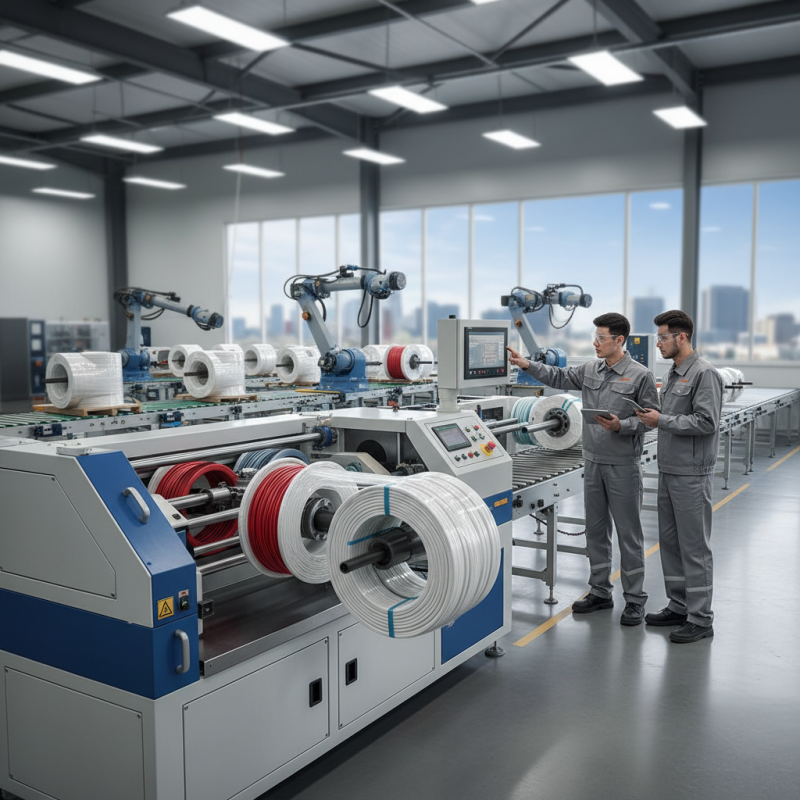
Understanding Different Types of Coiling and Packing Machines
When selecting a coiling and packing machine, understanding the various types available is crucial. There are several designs, each catering to different materials and applications. For instance, horizontal coil winders are common for spooling wire or ribbon. They offer efficiency for high-volume operations. However, their setup may be complex and requires skilled operators.
On the other hand, vertical coilers work well for items like tubing and film materials. Their compact design makes them suitable for limited spaces. Yet, they may not handle large or heavy items effectively. It’s important to assess your product specifications. A mismatch could lead to inefficiencies or even damage.
Some machines are equipped with advanced technology, enabling smart operations. But these features can come at a higher cost and necessitate ongoing maintenance. Reflect on your budget and operational flexibility before opting for high-tech solutions. Often, simpler machines can yield reliable results without the extra expenses. Understanding these nuances helps in making an informed decision tailored to your specific needs.
Top Tips for Choosing the Right Coiling and Packing Machine
Evaluating Production Needs and Machine Efficiency
When choosing a coiling and packing machine, evaluating production needs is crucial. Start by analyzing your product types and sizes. Consider the volume of production as well. High-volume operations may require more advanced machinery. Low-volume production can work with simpler models.
Tips: Look for machines that offer flexibility. They should adapt to different product sizes without major adjustments. This way, you can save time and costs during changeovers. Also, assess the machine's ease of use. Complicated machines can slow down your productivity.
Efficiency is also key. Machines that optimize energy consumption can significantly lower operational costs. However, watch out for machines that seem too efficient but compromise on quality. Find a balance between speed and product integrity. This requires careful evaluation of each machine's capabilities. Keep an eye on maintenance needs as well. A machine that needs frequent repairs can disrupt production flows.
Key Features to Look for in Coiling and Packing Machines
When choosing a coiling and packing machine, it's essential to focus on specific features. Look for machines that offer versatility in packaging different products. A good machine should handle various sizes and shapes. This flexibility can make a significant difference in production efficiency.
One important tip is to consider the machine's speed. Higher speeds often mean better productivity. However, think about whether the quality matches the speed. A faster machine might compromise product integrity. It’s crucial to strike a balance between speed and quality.
Furthermore, evaluate the ease of operation. A user-friendly interface can significantly decrease training time. If a machine has complicated controls, it might slow down your workflow. Assess the maintenance requirements as well. Machines that are easy to maintain will save you time and costs in the long run. Always weigh these factors carefully to make the right choice.
Top Tips for Choosing the Right Coiling and Packing Machine
| Feature | Description | Importance |
| Machine Type | Choose between fully automatic or semi-automatic machines based on production needs. | Essential for efficiency and labor costs. |
| Speed | Consider the minimum and maximum speed of the machine for your production volume. | Critical for meeting delivery timelines. |
| Flexibility | Assess whether the machine can handle different coil sizes and types of packaging. | Important for varied product lines. |
| Ease of Use | Look for machines with user-friendly controls and interfaces. | Enhances productivity and reduces training time. |
| Maintenance | Consider the maintenance requirements and availability of parts. | Critical for downtime management. |
| Safety Features | Check for safety certifications and features to protect operators. | Essential for workplace safety compliance. |
| Cost | Evaluate the total cost of ownership including purchase and operating costs. | Important for budget planning and ROI analysis. |
Assessing Quality and Reliability of Manufacturers
When selecting a coiling and packing machine, the quality and reliability of manufacturers are crucial factors. Recent industry reports indicate that over 30% of machinery malfunctions are linked to poor manufacturing standards. It is essential to assess the quality of materials used and the precision of engineering. High-quality machines should feature durable components. They must be able to withstand the rigors of continuous operation.
Investigate the manufacturer's history and reputation. A company with a long track record is often more reliable. Reports suggest that 70% of companies that invest in reputable manufacturers experience fewer downtime issues. Reviews and case studies can provide insights into their performance. This is where many fall short; relying solely on sales pitches rather than substantial evidence can be a pitfall.
Certifications play a significant role as well. Look for ISO 9001 or CE markings, which denote adherence to quality standards. However, don't be swayed by these marks alone; they should be part of a broader assessment. Connecting with existing clients for feedback is invaluable. Despite the availability of data, some manufacturers still struggle with maintaining consistent quality. This inconsistency can lead to expensive repair costs and operational delays.
Budgeting and Cost Considerations for Your Investment
Budgeting for coiling and packing machines is critical. Many businesses underestimate costs involved. Research shows that around 30% of companies exceed their initial budget. Proper planning can prevent these pitfalls.
When considering the investment, factor in initial purchase costs, installation, and maintenance. A report from the Packaging Machinery Manufacturers Institute noted that maintenance can account for 10-15% of total operational costs annually. This often surprises new buyers. Equipment reliability is crucial. Production downtime has an economic impact. Every hour lost can cost thousands.
Training staff is another hidden cost. Employees need to understand how to operate the machines effectively. A knowledgeable team can maximize efficiency. Skipping this step can lead to mistakes. Subpar packing can damage products and hurt brand reputation. Monitor all expenses closely and be ready to adjust the budget as needed. Balancing costs without sacrificing quality is key.