2026 How to Source Quality PVC Plastic for Global Trade?
In recent years, the global demand for PVC plastic has surged significantly. The PVC market is projected to reach $84 billion by 2026, driven mainly by construction and automotive industries. Understanding how to source quality PVC plastic is essential for stakeholders in global trade. The versatility and durability of PVC make it a popular choice for various applications, including piping, flooring, and packaging.
However, not all PVC materials are created equal. Quality varies widely among suppliers. A report from ResearchAndMarkets highlights that quality inconsistencies can impact product performance and customer satisfaction. Companies must prioritize sourcing methods that ensure high-quality inputs. Engaging with certified suppliers and conducting thorough due diligence is vital.
Navigating the PVC supply chain can pose challenges, such as price volatility and regional availability. The lack of transparency in some markets further complicates sourcing efforts. Stakeholders must reflect on their sourcing strategies and adapt to the evolving landscape. Prioritizing sustainability in sourcing PVC plastic is becoming increasingly important, as consumers demand eco-friendly products. This landscape demands innovative approaches for procurement in the competitive global market.

Understanding the Global PVC Plastic Market Trends and Forecasts for 2026
The PVC plastic market is evolving rapidly as we approach 2026. Understanding market trends is crucial for sourcing quality materials. Analysts predict significant growth in demand for PVC products, driven by various sectors. Construction, packaging, and automotive industries are showing increasing reliance on PVC due to its versatility. This change creates both opportunities and challenges for global trade.
Sourcing quality PVC requires insight into these trends. Price fluctuations are common, influenced by raw material costs and geopolitical factors. The market expects sustainability practices to gain more traction. Buyers must consider suppliers who prioritize eco-friendly processes. Quality assurance and certifications will also be key components in selecting suppliers.
The global PVC landscape is complex. Companies must stay informed on regulations and standards across different regions. Emerging markets may offer new sourcing opportunities but also pose risks. Evaluating supplier reliability is essential, ensuring compliance with international trade standards. Reflecting on these aspects can shape a sound sourcing strategy.
Key Qualities and Standards for Sourcing High-Quality PVC Plastic
When sourcing quality PVC plastic for global trade, understanding key qualities is essential. High-quality PVC should have excellent durability and flexibility. It must withstand varying temperatures and resist environmental factors. You also need to check for uniformity in texture and color. This helps to ensure that the final products maintain a professional appearance.
Standards are critical in the sourcing process. Look for certifications that indicate compliance with international standards. This includes safety standards that ensure the material is non-toxic. Transparency in sourcing practices is vital. Suppliers should be open about their production methods and raw material origins. This transparency builds trust and ensures that you receive reliable products.
Challenges often arise in sourcing. Not all suppliers can meet your quality expectations consistently. Continuous monitoring and assessment are necessary. Evaluate sample products thoroughly before making larger orders. This practice can help identify potential quality issues early on. Relying solely on supplier claims can lead to unforeseen complications. A proactive approach will aid in securing quality PVC for your trade needs.
Identifying Reliable Suppliers and Manufacturers for PVC Plastic Trade
Sourcing quality PVC plastic requires careful selection of suppliers and manufacturers. Industry reports indicate that the global PVC market is expected to reach $66 billion by 2026, driven by demand from construction and automotive sectors. As competition increases, identifying reliable partners is crucial.
To find trustworthy suppliers, consider their production history and certifications. Companies should ideally have ISO certifications, ensuring quality standards are met. A 2022 survey found that 72% of buyers prioritize suppliers with proven track records. Visiting manufacturing facilities can also provide insights into their operations and quality control processes.
Engaging with industry networks can enhance supplier visibility. Attend trade shows and join trade associations to network with potential partners. However, rely on recommendations cautiously. Some networks might promote subpar suppliers due to personal relationships. Verify claims through third-party audits or client testimonials. This step can prevent costly errors in the sourcing process. Understanding these dynamics takes time and reflection, which can be challenging in a fast-paced market.
2026 How to Source Quality PVC Plastic for Global Trade?
| Supplier Type |
Location |
Certification |
Production Capacity (tons/year) |
Minimum Order Quantity (MOQ) |
Lead Time (days) |
| Manufacturer |
China |
ISO 9001 |
2000 |
500 |
30 |
| Supplier |
Vietnam |
SGS |
1500 |
300 |
45 |
| Distributor |
India |
FSC |
1000 |
1000 |
60 |
| Wholesaler |
Thailand |
BRC |
1800 |
200 |
35 |
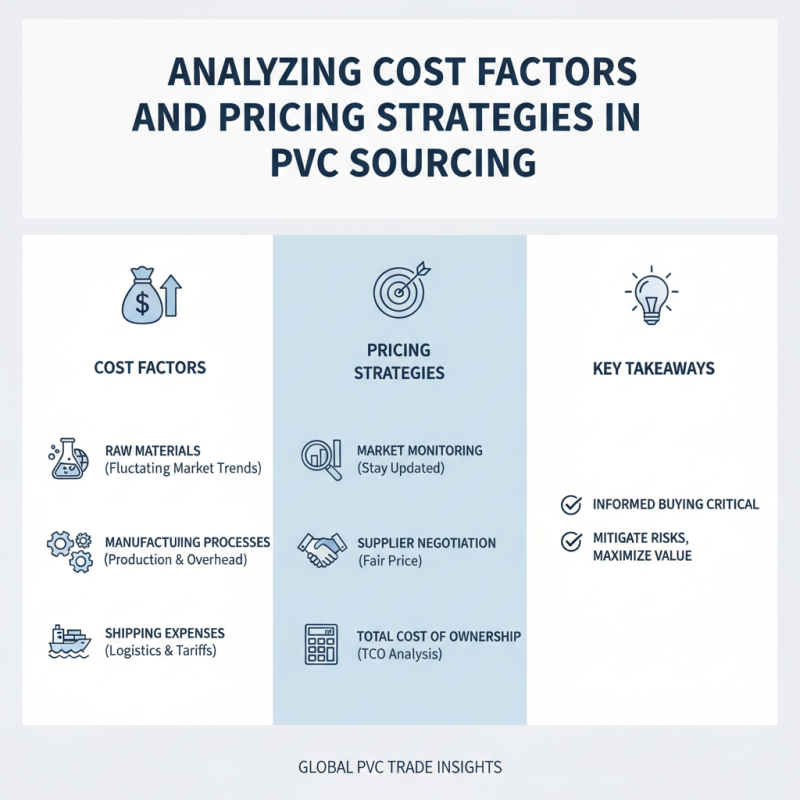
Analyzing Cost Factors and Pricing Strategies in PVC Sourcing
When sourcing PVC plastic for global trade, understanding cost factors and pricing strategies is critical. Various elements influence the cost of PVC, such as raw materials, manufacturing processes, and shipping expenses. Buyers should examine these factors closely to ensure a fair price. Raw material prices fluctuate, so staying updated on market trends is necessary.
Additionally, labor costs can vary by region, impacting overall pricing. Regions with lower wages may offer cheaper production rates but could lack quality control. This trade-off is essential to consider when sourcing. Buyers must weigh the advantages of lower costs against the risk of inferior products. Quality inspections are crucial, ensuring that standards are met.
Establishing long-term relationships with suppliers can also influence pricing. Trusted partnerships often lead to better deals, as suppliers may prioritize loyal clients. However, buyers should avoid complacency. Regularly reviewing supplier performance is necessary to maintain quality and cost-effectiveness. In the dynamic landscape of global trade, adaptability and vigilance are essential for success in PVC sourcing.
Regulatory Compliance and Environmental Considerations in PVC Trade
When engaging in global trade of PVC plastic, navigating regulatory compliance is crucial. Many countries have stringent regulations. These rules address safety, health, and environmental standards. Compliance can seem overwhelming, but it prevents legal issues down the line.
Tip: Always check local regulations. Different markets have unique requirements. Understanding these can save time and resources.
Environmental considerations are becoming increasingly important. Sustainability in sourcing PVC matters. Eco-friendly practices can enhance your brand’s image. Buyers are more discerning today. They often prefer products with a lower environmental impact.
Tip: Consider recycled PVC options. They often meet quality standards while reducing waste. This choice may align with market demand for sustainable products.
Remaining proactive in understanding compliance and environmental concerns can distinguish your business in the PVC trade landscape. Yet, balancing quality, costs, and regulations can be a challenge. Regularly review your sourcing processes for improvement opportunities.