Why is Rigid PVC a Popular Choice for Construction and Manufacturing?
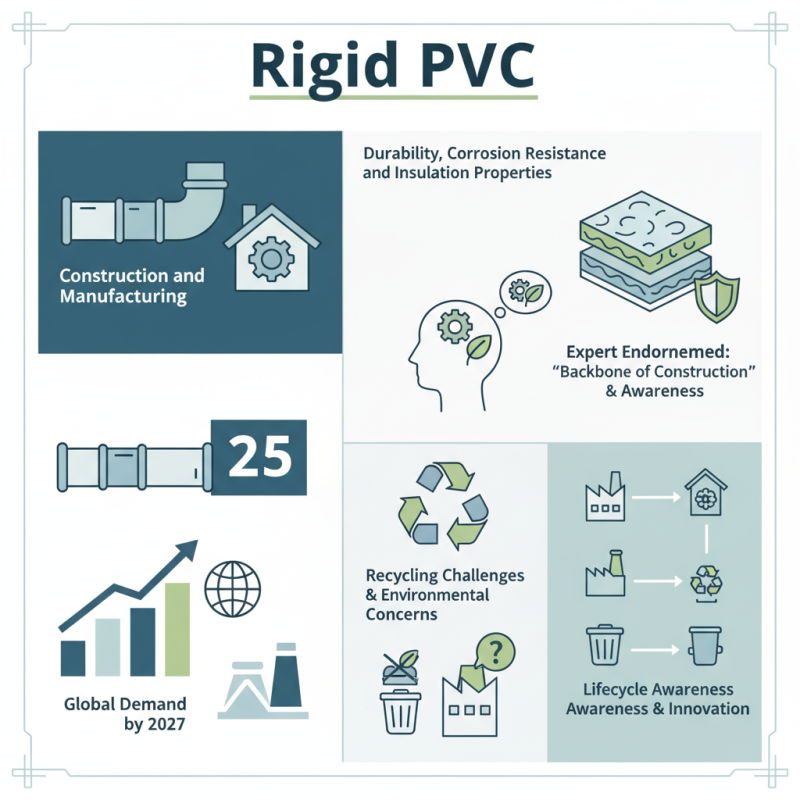
Rigid PVC has gained significant traction in both construction and manufacturing industries. Its versatility and durability make it a preferred choice for various applications. According to a report by Smithers Pira, the global demand for rigid PVC is projected to reach over 25 million tons by 2027. Such statistics highlight its widespread usage and reliability.
John Anderson, an expert in polymers, states, "Rigid PVC is the backbone of modern construction materials." This sentiment reflects the importance of rigid PVC in creating resilient structures. Its resistance to corrosion and stunning insulation properties drive its popularity. Yet, we should remain aware of the environmental concerns tied to PVC production.
Moreover, while rigid PVC is widely used, the industry faces challenges. Recycling rigid PVC remains a pressing issue, impacting sustainability efforts. The awareness of its lifecycle is crucial for manufacturers. Awareness of these challenges can lead to better solutions and innovations. Thus, as we dive into the benefits and applications of rigid PVC, we must also scrutinize its environmental footprint.
Properties of Rigid PVC That Enhance Its Suitability for Construction
Rigid PVC, or polyvinyl chloride, has become a favorite in construction and manufacturing. Its impressive properties contribute significantly to its popularity. For instance, it's incredibly durable and can withstand harsh weather conditions. This resilience makes it ideal for both indoor and outdoor applications.
Another important characteristic is its lightweight nature. This feature simplifies installation processes, saving both time and labor costs. While it’s not the most eco-friendly option available, its long lifespan can offset some environmental concerns. Rigid PVC is also relatively low in cost compared to other materials, making it an appealing choice for budget-conscious projects.
However, there are downsides to consider. In some cases, rigid PVC can be prone to cracking when subjected to extreme temperatures. Awareness of these limitations is crucial before making decisions. Its resistance to moisture is a plus, yet improper installation can lead to potential leaks. Overall, while rigid PVC offers many advantages, reflection on its shortcomings is necessary for optimal use in construction and manufacturing.
Properties of Rigid PVC That Enhance Its Suitability for Construction
Comparative Analysis of Rigid PVC and Alternative Materials in Manufacturing
Rigid PVC, or polyvinyl chloride, stands out in construction and manufacturing due to its durability and versatility. Compared to alternatives like wood or metal, rigid PVC offers a lower weight, making it easier to handle. It resists corrosion, weathering, and chemicals, ensuring longevity in various applications. This durability reduces the need for frequent replacements, which is often overlooked when considering material costs.
When analyzing alternatives, consider environmental impacts. For example, while metal might last long, its extraction and processing can be resource-intensive. Some wood products may require chemical treatments, raising concerns about sustainability. Rigid PVC is recyclable, adding to its appeal in modern manufacturing. However, it's essential to acknowledge that not all rigid PVC is created equal, and its production can have a significant environmental footprint.
Tip: Always check for certifications that indicate the material meets certain sustainability standards. This can guide you toward more eco-friendly choices in rigid PVC or alternatives. Another tip is to consult with experts to explore innovative uses that maximize the benefits of rigid PVC while minimizing drawbacks. Keep this in mind as you delve into material choices for your next project.
Applications of Rigid PVC in the Construction Industry: Key Uses
Rigid PVC has gained significant traction in the construction industry due to its versatility and durability. Applications include window frames, pipes, and siding. These products don't rot and resist corrosion. This longevity appeals to builders and homeowners alike. In areas with harsh weather, rigid PVC remains intact, showcasing its strength.
Window frames made from rigid PVC can withstand extreme temperatures. They also provide excellent insulation, reducing energy costs. Additionally, the ease of maintenance is a plus. Siding made from this material offers aesthetic value while ensuring protection. However, some might argue that the flexibility in design is limited when compared to other materials.
Moreover, rigid PVC pipes are critical for plumbing and drainage systems. They are lightweight, making installations easier. However, improper installation can lead to leaks, which is a common concern. While rigid PVC is a go-to choice, its environmental impact raises questions. Users must consider recycling options. The ongoing shifts in sustainable practices require reflection on material choices.
Economic Benefits of Using Rigid PVC in Building and Production Processes
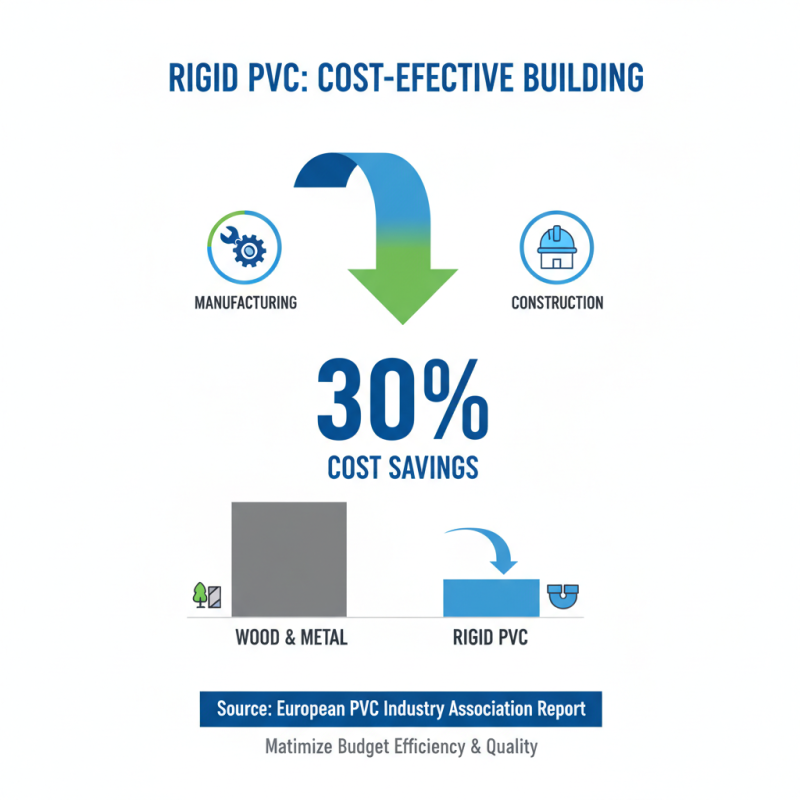
Rigid PVC, or polyvinyl chloride, is gaining traction in construction and manufacturing due to its cost-effectiveness. According to a recent report by the European PVC Industry Association, Rigid PVC offers a significant reduction in the overall material costs, reducing expenses by up to 30% compared to alternatives like wood and metal. This economic advantage attracts builders looking to maximize budget efficiency while maintaining quality.
Additionally, Rigid PVC is lightweight yet durable. It can endure harsh weather conditions, which reduces maintenance costs over time. A 2022 study found that projects using Rigid PVC could save approximately 20% in long-term maintenance. However, the production process is energy-intensive, potentially overshadowing some economic benefits. The reliance on fossil fuels in its production raises questions about sustainability. This prompts industry players to explore greener solutions while still leveraging the advantages of Rigid PVC in their projects.
Also worth considering, Rigid PVC can recycle efficiently, which is another potential economic benefit. The recycling rate for PVC is reported at 30% in Europe. This number could rise, appealing to sustainability-focused firms. It’s crucial, though, to assess the full lifecycle impact as industries move towards greener options.
Environmental Considerations Surrounding the Use of Rigid PVC Materials
Environmental concerns regarding rigid PVC materials have become more prominent in recent years. While PVC is widely appreciated for its durability, its production and disposal raise questions. According to a 2021 report by the Plastics Industry Association, about 30% of rigid PVC in the U.S. is recycled. This number, while improving, still leaves a significant portion unutilized.
The lifecycle of rigid PVC is often scrutinized. The manufacturing process emits harmful substances, impacting air quality. In addition, when improperly disposed of, rigid PVC can take hundreds of years to decompose. A study revealed that nearly 70% of rigid PVC waste ends up in landfills. This raises alarms and calls for better recycling initiatives.
On the usage side, it's vital to recognize the potential toxic effects of adding certain stabilizers and additives in PVC. Communities near manufacturing sites often report higher rates of respiratory issues. These realities challenge the notion of rigid PVC as a sustainable option. It sparks a need for innovation in material science, aiming for better impact on the environment.
Why is Rigid PVC a Popular Choice for Construction and Manufacturing? - Environmental Considerations Surrounding the Use of Rigid PVC Materials
| Property |
Value |
Environmental Impact |
| Durability |
20+ years |
Long lifespan reduces waste |
| Thermal Insulation |
Good |
Lower energy consumption in buildings |
| Recyclability |
Yes |
Can be recycled into new products |
| Chemical Resistance |
High |
Less need for replacement |
| Cost Effectiveness |
Moderate |
Affordable option for construction |
| Water Resistance |
Excellent |
Reduces water damage issues |
| Fire Resistance |
Moderate |
Needs careful handling in construction |