Everything You Need to Know About PVC Plastic Uses Benefits and Safety
PVC plastic is a versatile and widely used material. From construction to everyday household items, its applications are vast. The benefits of PVC plastic include durability, lightweight nature, and cost-effectiveness. However, there are also safety concerns regarding its production and disposal.
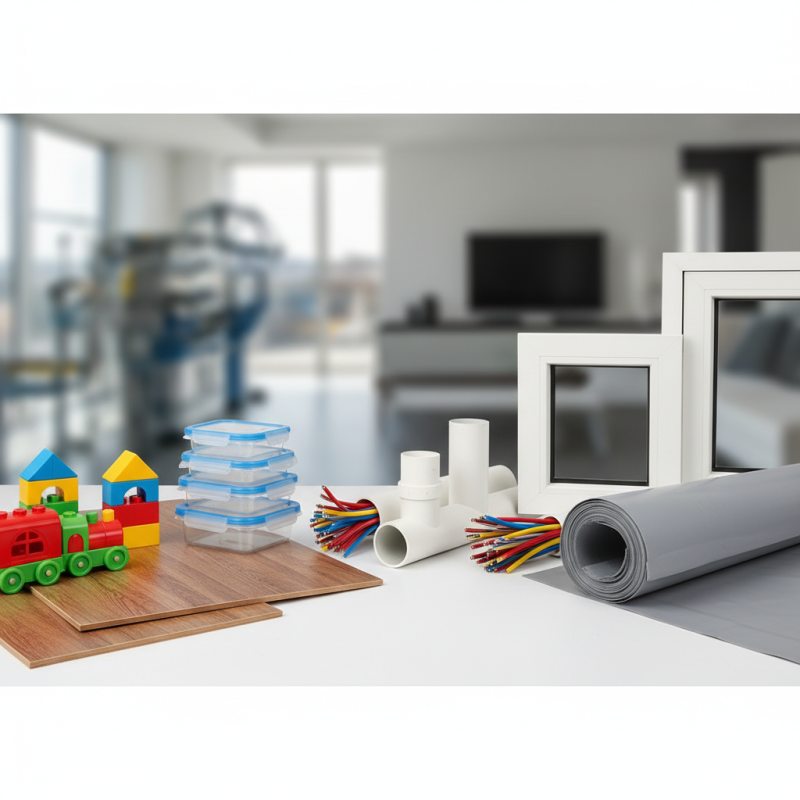
Many people may not realize that PVC plastic is present in their daily lives. It can be found in pipelines, flooring, and even toys. While its resilience makes it popular, there are stigmas attached to its environmental impact. For instance, the production process can release harmful pollutants.
Recognizing these issues is crucial. Balancing the benefits of PVC plastic with its safety implications can be challenging. Users must consider both the practicality and potential risks associated with PVC plastic. Awareness plays a key role in responsible usage and disposal.
Understanding PVC Plastic: Composition and Types
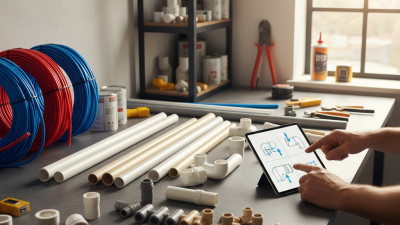
PVC plastic, or polyvinyl chloride, is a versatile material used in many industries. It is made from
chlorine, hydrogen, and carbon. There are two main types: rigid and flexible. Rigid PVC is often used in construction. It can
be found in pipes, doors, and windows. Flexible PVC is more adaptable
and is used in flooring, electrical cables, and plumbing.
When working with PVC, consider its lifecycle. While it is durable and resistant to moisture,
it can pose environmental challenges if not disposed of properly. PVC does not decompose easily, leading to
concerns about its long-term impact. Finding alternatives or recycling options can help address these issues.
Tips for working with PVC include ensuring proper ventilation during installation. Avoid cutting
or heating PVC without safety gear. Consider eco-friendly alternatives where possible. Lastly, check for local
recycling programs that accept PVC products. Keeping these points in mind can enhance
safety and sustainability in your projects.
Common Uses of PVC Plastic in Various Industries
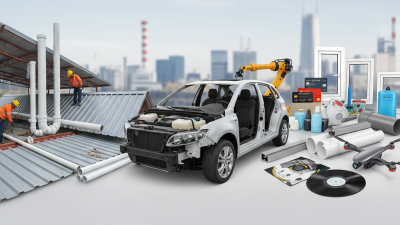
PVC plastic is widely utilized across various industries due to its versatility and durability. In construction, PVC is used for pipes, siding, and flooring. According to a report by the Global PVC Industry, the construction sector accounts for over 75% of PVC demand. This material resists corrosion and is lightweight, making it ideal for building applications. However, some environmental concerns need attention. PVC production and disposal can release harmful chemicals, raising questions about sustainability.
In the healthcare industry, PVC plays a crucial role in producing medical devices and packaging. It is used in blood bags, IV containers, and tubing. The Medical Plastic Market Report highlights that over 30% of medical plastics involve PVC. This usage reflects its safety and reliability in critical applications. Still, some professionals express concerns about plasticizers used in PVC. These additives can potentially leach into products, prompting calls for safer alternatives.
Additionally, PVC is common in the automotive industry. It is found in interior components, cables, and dashboards. Industry studies show that approximately 10% of global PVC production is designated for automotive uses. While PVC offers cost-effectiveness and durability, the lifecycle impact cannot be ignored. As industries increasingly focus on eco-friendly practices, reevaluating PVC's role in production is essential.
Advantages of PVC Plastic: Durability, Flexibility, and Cost-Effectiveness
PVC plastic stands out in various industries due to its remarkable durability. It can withstand harsh weather conditions without deteriorating. According to a recent report by the Global PVC Market, the material has a life expectancy of over 25 years in many applications. This longevity translates into reduced maintenance costs. The initial investment in PVC often pays off over time, making it an effective choice for construction and manufacturing.
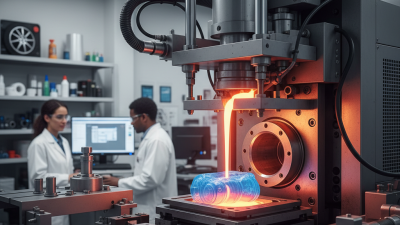
Flexibility is another key benefit of PVC. This material can be molded into different shapes and used in a range of applications. From plumbing pipes to electrical cables, PVC's adaptability shines. The versatile nature of PVC has led to its increased usage, with production rates reaching over 40 million tons globally each year. However, some industries still view this flexibility as a double-edged sword. Sustainable disposal can be a challenge, necessitating further reflection on its end-of-life impact.
Cost-effectiveness is hard to ignore. PVC is generally cheaper to produce than many alternative materials. This is crucial for projects with limited budgets. The costs are, however, closely tied to environmental considerations. Increased scrutiny on plastic waste has raised important questions. While PVC offers benefits, addressing its environmental footprint requires more effort. There's a balance to find between affordability and sustainability.
Safety Considerations: Assessing Risks and Regulatory Standards for PVC
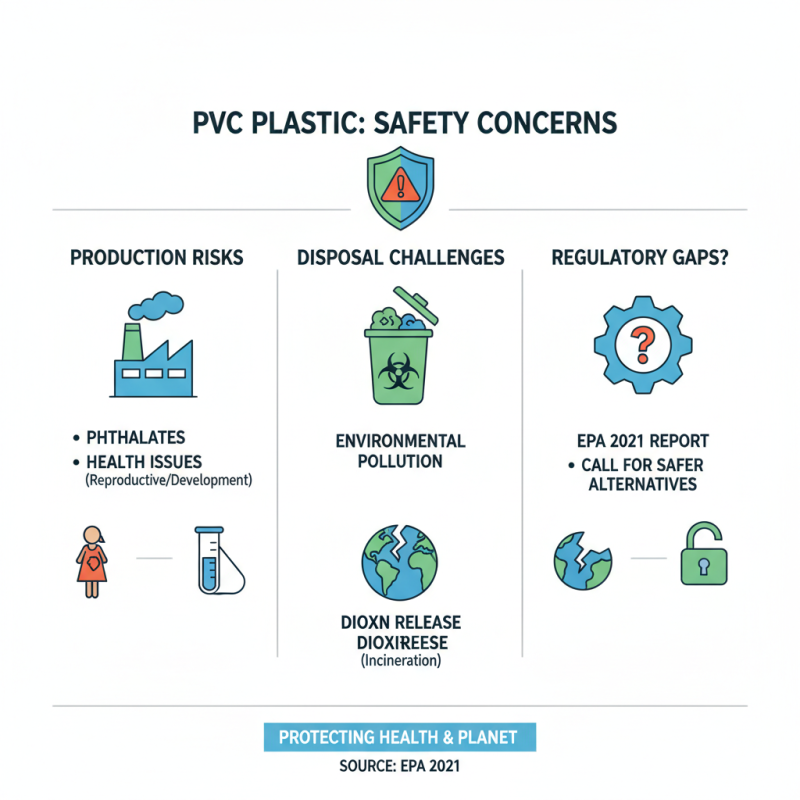
PVC plastic is widely used in many industries. However, safety is a crucial aspect of its application. The risks associated with PVC mainly revolve around its production and disposal. In 2021, the Environmental Protection Agency (EPA) reported that certain additives, like phthalates, used in PVC manufacturing might pose health risks. Studies suggest that prolonged exposure can lead to reproductive and developmental issues. This raises necessary questions about safety regulations concerning PVC.
Regulatory standards vary around the world. In Europe, the REACH regulation imposes strict limits on harmful chemicals in plastics. However, not all countries enforce such stringent measures. A 2022 report indicated that nearly 40% of PVC products in the market could exceed safe additive limits. Consumers often overlook this aspect while shopping. The lack of standardized testing may lead to unsafe products being available.
Many industries rely on PVC for its durability and cost-effectiveness. Yet, the potential hazards linked to its use cannot be ignored. Recycling PVC remains a challenge due to its chemical structure. Current recycling methods are not always effective, leading to possible environmental contamination. This situation necessitates continuous evaluation of safety practices in PVC manufacturing and disposal.
Recycling PVC Plastic: Processes, Challenges, and Environmental Impact
Recycling PVC plastic presents significant challenges. Only a small percentage of PVC products are recycled. According to the International PVC Association, around 20% of PVC is currently recycled worldwide. Many municipalities lack the proper facilities. This leads to a significant amount of PVC ending up in landfills.
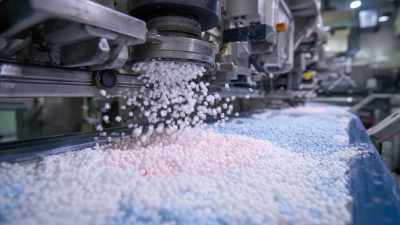
The recycling process for PVC is complex. It often requires careful sorting and cleaning to remove contaminants. Mechanical recycling can cause degradation of the material, impacting its quality. Chemical recycling methods, while promising, are still being developed. For instance, the European Commission reported that only a few companies utilize advanced chemical recycling technologies effectively.
Environmental impact cannot be ignored. PVC can release toxins when improperly disposed of. These toxins can leach into soil and water, affecting ecosystems. It is clear that a better recycling infrastructure is needed. Without it, the sustainability of PVC remains uncertain. More efforts are required to educate the public about proper disposal methods.