What is PVC Additives and How Do They Enhance Plastic Performance
PVC additives play a crucial role in enhancing the performance of polyvinyl chloride (PVC) materials, which are widely used across various industries, from construction to consumer goods.
According to Dr. Emily Carter, a leading expert in polymer chemistry,
"The right additives can significantly alter the properties of PVC, making it more durable, flexible, and resistant to environmental factors."
This statement underscores the transformative power of PVC additives in improving the overall quality and longevity of plastic products.
In the ever-evolving world of materials science, understanding the function and application of PVC additives is essential for manufacturers looking to optimize their products.
From stabilizers and plasticizers to lubricants and impact modifiers, these additives help tailor the characteristics of PVC to meet specific performance requirements.
As consumer demands for more sustainable and high-performance materials grow, the role of these additives becomes increasingly significant, ensuring that PVC remains a competitive option in the market.
By examining the various types of PVC additives and their contributions to material performance, we can gain valuable insights into how they help in achieving desired attributes such as flexibility, resistance to degradation, and improved processing capabilities.
This exploration not only highlights the importance of PVC additives but also showcases innovative approaches to enhance the functionality of PVC in an array of applications.
Understanding PVC Additives: Definitions and Types
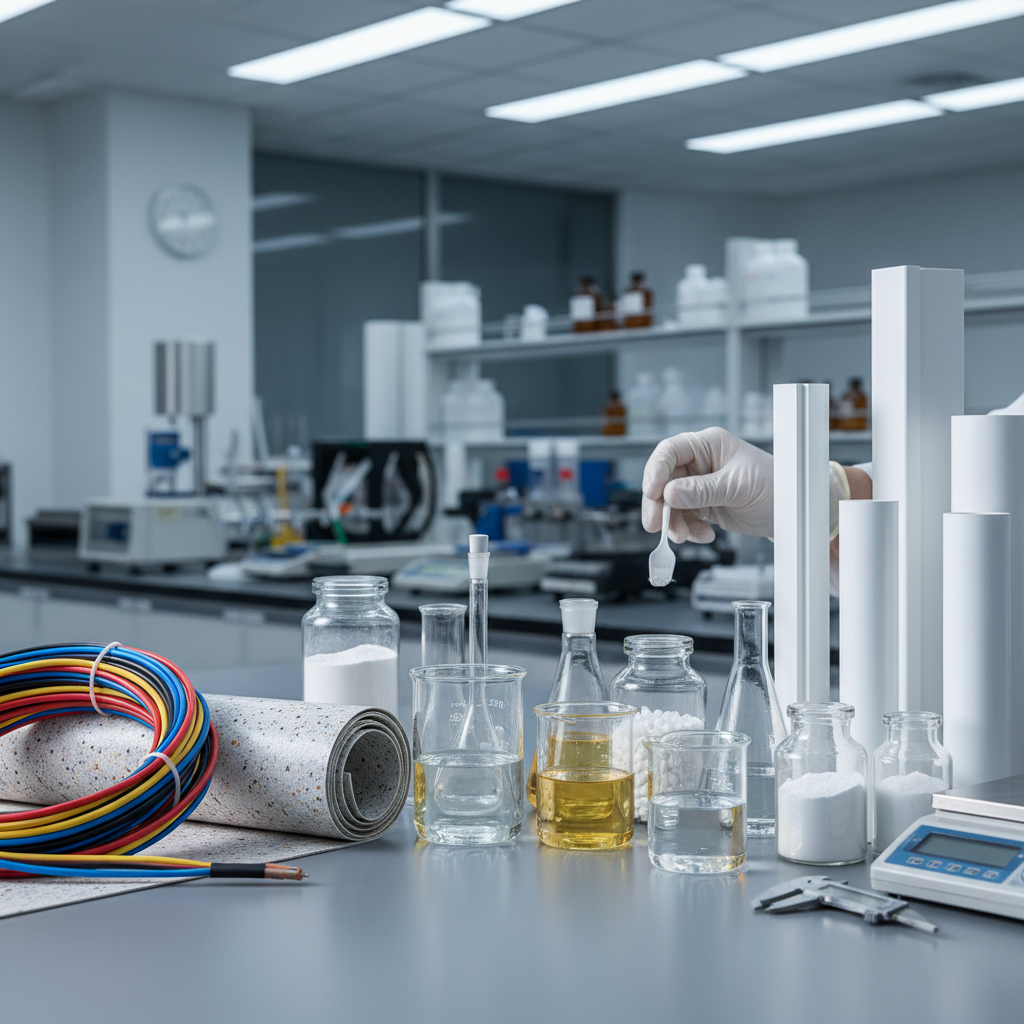
PVC, or polyvinyl chloride, is a widely used plastic that often requires additives to enhance its performance, durability, and versatility. PVC additives can be categorized into several types, each serving a distinct function. For instance, plasticizers are incorporated to increase flexibility, making PVC suitable for applications like cables and flooring. These additives reduce the material’s hardness and brittleness, allowing for easier handling and shaping.
In addition to plasticizers, stabilizers are essential for protecting PVC from degradation due to heat and UV light exposure. They ensure that the material retains its mechanical properties and transparency over time. Moreover, fillers such as calcium carbonate can be added to improve rigidity and reduce production costs. Other additives like flame retardants and impact modifiers further enhance the safety and durability of PVC products. Understanding the different types of additives enables manufacturers to tailor the properties of PVC to meet specific requirements for various applications, from construction materials to consumer goods.
Key PVC Additives: Plasticizers, Stabilizers, and Fillers
PVC additives play a crucial role in enhancing the performance of PVC (polyvinyl chloride) materials, making them more versatile and efficient for various applications. Key PVC additives include plasticizers, stabilizers, and fillers. Plasticizers are essential for improving flexibility and workability, allowing PVC products to be molded into complex shapes while maintaining durability. Stabilizers, on the other hand, protect PVC from degradation caused by heat and UV exposure, significantly extending the lifespan of PVC products. Fillers enhance the material's properties, reducing production costs while maintaining strength and rigidity.
Recent industry reports indicate that the global PVC composite materials market is well-positioned for growth, driven by increasing demand in construction and packaging industries. According to market analysis, the use of PVC composites, enriched with specific additives, allows for improved chemical resistance and electrical insulation properties, further broadening their application scope. However, with evolving regulations aimed at reducing plastic pollution, as highlighted in recent government notifications, the industry must adapt to new standards while continuing to innovate in additive formulations to meet both performance and environmental criteria.
The Role of PVC Additives in Enhancing Flexibility and Durability
PVC additives play a crucial role in enhancing the flexibility and durability of polyvinyl chloride, making it a versatile material widely used in various applications. The incorporation of these additives helps modify the base properties of PVC, allowing it to withstand environmental stressors and extend its lifecycle. For instance, flexible PVC, often produced with plasticizers, significantly improves elasticity, enabling applications in products such as flooring, electrical cables, and medical devices. According to industry reports, the global market for PVC pipes and fittings is projected to reach USD 70 billion by 2026, reflecting a compound annual growth rate (CAGR) of over 5% from 2021, driven in part by the useful attributes conferred by these additives.
Moreover, advancements in material science have led to innovations such as carbon nanotube (CNT) reinforcement in PVC-based products. This technology not only enhances mechanical strength but also improves other performance characteristics, paving the way for high-tech applications like artificial leather and composites in automotive industries. Studies indicate that CNT-reinforced PVC can exhibit superior durability and flexibility compared to traditional materials, highlighting the significant impact of additives on the performance enhancements of PVC. As manufacturers prioritize sustainability, the push for recycling initiatives in regions like Colombia further underscores the vital role of PVC additives in both product longevity and environmental responsibility.
Impact of PVC Additives on Flexibility and Durability
Market Trends: PVC Additives Industry Growth and Projections
The PVC additives market is poised for significant growth, with projections indicating an increase from an estimated USD 6.80 billion in 2024 to USD 9.62 billion by 2030, representing a robust compound annual growth rate (CAGR) of 6.0%. This growth is driven by the escalating demand for PVC in various applications, including construction and automotive industries. As performance requirements for plastics intensify, the role of PVC additives becomes crucial in enhancing flexibility, durability, and resistance to environmental factors.
In tandem, the global PVC pipes and fittings market is projected to reach an impressive USD 66.87 billion by 2030. This surge reflects the ongoing trend towards the adoption of durable and low-maintenance materials in infrastructure projects. As municipalities and industries increasingly rely on PVC for water supply, drainage, and sewage systems, the expansion of the PVC additives market is expected to play a pivotal role in optimizing performance characteristics, thereby fulfilling the growing requirements of modern applications.
Environmental Impact: Evaluating the Sustainability of PVC Additives
PVC additives play a crucial role in enhancing the performance and durability of PVC products, but their environmental impact raises important questions regarding sustainability. As the plastic industry faces increasing scrutiny over its ecological footprint, evaluating the lifecycle of PVC additives becomes essential.
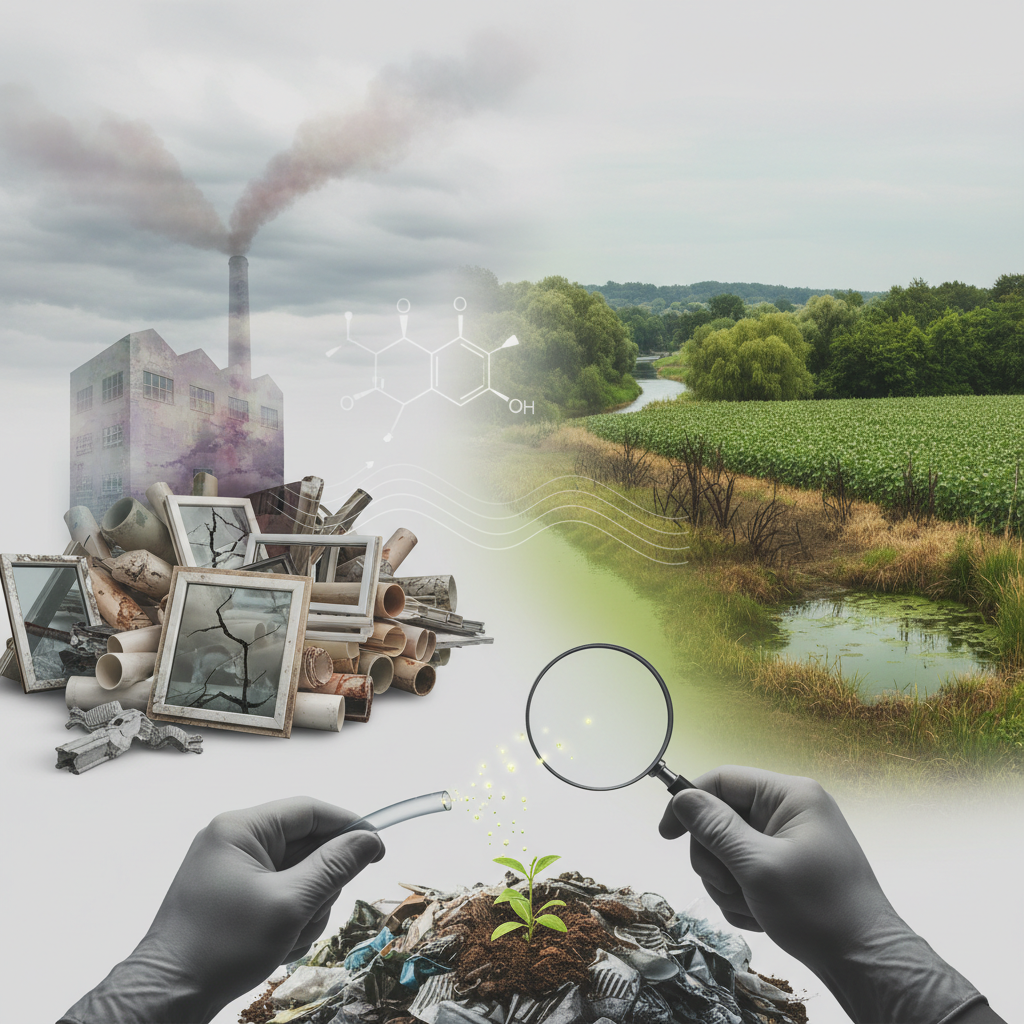
Many additives, such as plasticizers and stabilizers, can improve the physical properties of polyvinyl chloride, making it more flexible and resistant to degradation. However, some of these additives may have harmful effects on both human health and the environment, particularly when they leach out of products during usage or disposal.
The sustainability of PVC additives is further complicated by the question of end-of-life management. While some additives may allow for recycling and reusing of PVC products, others can hinder the recycling process due to contamination. Therefore, there is an urgent need for the development of greener alternatives that maintain performance while minimizing environmental harm. By researching and promoting more sustainable PVC additives, the industry can not only enhance the functionality of plastic products but also address the growing demand for environmentally responsible materials, aligning with global efforts toward sustainability and circular economy principles.