Top Uses of Plastic Raw Material in Modern Industries and Their Impact
In the ever-evolving landscape of modern industries, the significance of plastic raw material cannot be overstated. With applications ranging from packaging to automotive components, this versatile substance has reshaped the way industries operate. Dr. Emily Carter, an expert in polymer science, emphasizes the transformative nature of this material in her assertion, "Plastic raw materials are not just materials; they are the backbone of innovation across various sectors."
The reliance on plastic raw materials stems from their unique properties, which include durability, flexibility, and cost-effectiveness. As industries continue to seek sustainable and efficient solutions, the use of these materials is expected to grow exponentially. This increasing adoption drives innovation and introduces challenges related to environmental sustainability, leading to a pivotal dialogue on responsible sourcing and recycling practices.
Ultimately, understanding the top uses of plastic raw material in modern industries and their subsequent impact on the environment and economy is crucial for stakeholders. By recognizing both the benefits and the consequences, industries can work towards a future where plastic raw materials are utilized in a manner that aligns with sustainability goals, thereby ensuring a balanced approach to development and preservation of our planet.

Overview of Plastic Raw Materials and Their Types
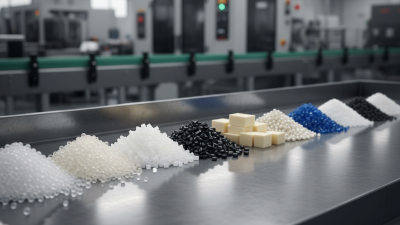
Plastic raw materials are fundamental to various modern industries, owing to their versatility and adaptability. The two primary categories of plastic raw materials are thermoplastics and thermosetting plastics. Thermoplastics, which include polymers such as polyethylene and polypropylene, can be melted and reshaped multiple times, making them ideal for applications ranging from packaging to automotive components. On the other hand, thermosetting plastics, such as epoxy and phenolic resins, undergo a chemical change when cured, which provides enhanced mechanical strength and heat resistance, essential for applications in electronics and construction.
According to a report by the Plastics Industry Association, the U.S. plastics industry generated over $380 billion in revenue in 2022, highlighting the growing reliance on plastic materials. These raw materials account for approximately 12% of the total crude oil consumption in the United States, showcasing their significant impact on energy resources. As industries increasingly focus on sustainability, advancements in bioplastics derived from renewable resources are emerging, potentially reducing the environmental footprint associated with traditional plastic production.
Tips: When considering plastic raw materials for your projects, be mindful of factors such as recyclability and end-of-life disposal options. Look for suppliers who prioritize sustainable practices and offer eco-friendly alternatives. Additionally, staying informed about industry trends can help in selecting materials that not only meet performance requirements but also align with long-term sustainability goals.
Key Industries Utilizing Plastic Raw Materials
Plastic raw materials have become integral to various industries, reshaping the way products are manufactured and delivered. In the automotive sector, for instance, lighter plastic components are increasingly replacing traditional materials, leading to improved fuel efficiency and lower emissions. The electronics industry also heavily relies on plastics for insulation and casings, enabling the production of lightweight and durable devices. Additionally, the packaging industry uses plastic extensively for its versatility, allowing for innovative designs that help preserve food and reduce waste.
Tips for industries looking to optimize their use of plastic raw materials include assessing the lifecycle of the products and exploring biodegradable options. This not only helps in reducing environmental impact but also caters to the growing demand for sustainable practices. Moreover, collaborating with suppliers who prioritize recycled materials can significantly enhance the sustainability of production processes, meeting both regulatory requirements and consumer expectations. Embracing these strategies can lead to enhanced efficiency and social responsibility within various sectors.
Environmental Impact of Plastic Raw Material Use
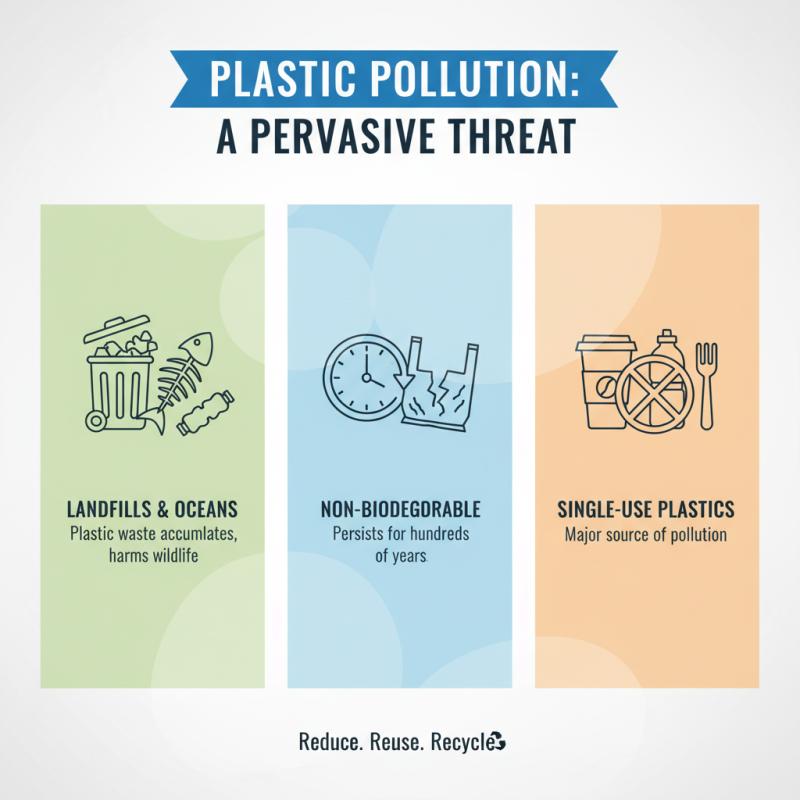
The use of plastic raw materials is pervasive across various industries, but their environmental impact raises significant concerns. One of the primary issues is the substantial contribution of plastic waste to landfills and oceans. Many plastics are not biodegradable, meaning they persist in the environment for hundreds of years, leading to pollution that harms wildlife and disrupts ecosystems. This persistent pollution results not only from improper disposal but also from the continued production of single-use plastics, which have become commonplace in modern consumer culture.
Furthermore, the extraction and processing of raw materials for plastic production also pose environmental challenges. The petroleum industry, which supplies the majority of plastic feedstocks, is associated with greenhouse gas emissions and environmental degradation. Pollution from plastic manufacturing can contaminate air and water, affecting the health of both local communities and ecosystems. Consequently, there is an urgent need for industries to adopt more sustainable practices, such as recycling and using alternative materials, to mitigate the environmental footprint of plastic raw materials. Initiatives aimed at reducing plastic dependency and promoting circular economy practices are crucial to address these pressing environmental issues.
Innovations in Plastic Recycling and Sustainability Practices
Innovations in plastic recycling have become a vital focus in modern industries as environmental concerns grow. Traditional recycling methods often struggled with efficiency and the ability to process various plastic types. However, advancements such as chemical recycling and advanced sorting technologies have emerged, enhancing the ability to break down plastics into their fundamental monomers. This allows for the production of high-quality recycled raw materials that can be reused in manufacturing, minimizing the need for virgin plastic and reducing the overall carbon footprint of industrial processes.
Sustainability practices in the plastic industry also emphasize the importance of circular economy principles. Companies are increasingly adopting closed-loop systems, where plastic products are designed for easy disassembly and are made to last longer. Initiatives promoting the use of biodegradable and bio-based plastics further contribute to sustainable development. These innovations not only help reduce plastic waste but also encourage consumers and businesses to make more environmentally responsible choices.
By integrating recycling and sustainability practices, industries can significantly mitigate the impact of plastic usage on the environment while fostering a more sustainable future.
Future Trends in Plastic Raw Material Applications
The future of plastic raw material applications is shaping up to be both innovative and sustainable as industries seek alternatives to traditional practices. One prominent trend is the increasing emphasis on biodegradable plastics. As environmental concerns grow, the demand for materials that break down naturally is on the rise. Industries are investing in research to develop bioplastics made from renewable resources, significantly reducing the environmental footprint of plastic usage.
Additionally, the integration of advanced technologies, such as 3D printing, is leading to new possibilities in plastic material applications. These technologies allow manufacturers to create customized products with enhanced performance characteristics while minimizing waste. As companies strive for efficiency, additive manufacturing is becoming a game-changer, providing flexibility in design and speed in production.
Tips for industries considering the transition to sustainable plastic solutions include investing in R&D to explore alternative materials, collaborating with environmental organizations for best practices, and educating employees about the benefits of these new technologies. Embracing these future trends not only aligns with consumer preferences but also contributes to a circular economy, reducing reliance on finite resources and minimizing pollution.
Top Uses of Plastic Raw Material in Modern Industries and Their Impact - Future Trends in Plastic Raw Material Applications
| Industry |
Primary Use |
Plastic Types |
Impact on Sustainability |
Future Trends |
| Automotive |
Interior and exterior components |
Polypropylene (PP), Polycarbonate (PC) |
Reduction in vehicle weight, improving fuel efficiency |
Increased use of biodegradable plastics |
| Packaging |
Containers, trays, and films |
Polyethylene (PE), Polyvinyl Chloride (PVC) |
Innovations in recyclable materials |
Shift towards compostable packaging solutions |
| Construction |
Pipes, insulation, and roofing materials |
Polyvinyl Chloride (PVC), Polyethylene (PE) |
Durability leading to longer lifespan of structures |
Adoption of smart materials |
| Electronics |
Casing, insulators, and components |
Acrylonitrile Butadiene Styrene (ABS), Polycarbonate (PC) |
Lightweight and safety |
Focus on easier recyclability |
| Healthcare |
Medical devices, containers, and sterilization |
Polypropylene (PP), Polyethylene (PE) |
Improved hygiene and safety |
Innovation in biodegradable medical plastics |