What is Plastic Raw Material Types and Their Applications
The increasing demand for plastic products across various industries has brought the importance of understanding plastic raw material types and their applications to the forefront. According to a report by the American Chemistry Council, the global plastic market was valued at approximately $600 billion in 2020 and is projected to reach around $1 trillion by 2025. This growth highlights the critical role of plastic raw materials, which serve as the foundational components for manufacturing a wide array of products ranging from packaging materials to automotive parts.
Plastic raw materials can be categorized into several types, including polyethylene, polypropylene, polyvinyl chloride (PVC), polystyrene, and polyethylene terephthalate (PET). Each type possesses unique properties that make it suitable for specific applications. For instance, polyethylene is widely employed in packaging due to its durability and flexibility, while PVC is commonly used in construction and electronics because of its strength and resistance to environmental factors. Understanding these variations enables manufacturers to select the most appropriate materials for their needs, fostering innovation and efficiency in product development.
As industry trends evolve, an emphasis on sustainability and eco-friendly alternatives is becoming increasingly significant. Research from PlasticsEurope indicates that the demand for biodegradable plastics and recycled materials is rising, as consumers and businesses alike seek to reduce their environmental impact. This shift not only transforms the landscape of plastic raw materials but also requires ongoing research and development to improve the properties and applications of alternative materials.
Types of Plastic Raw Materials: An Overview
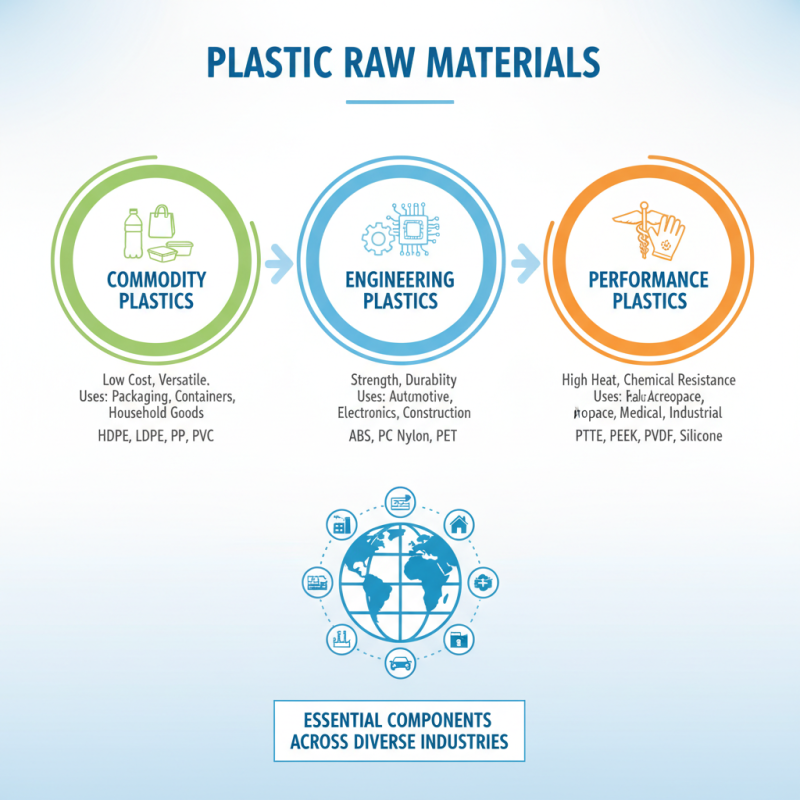
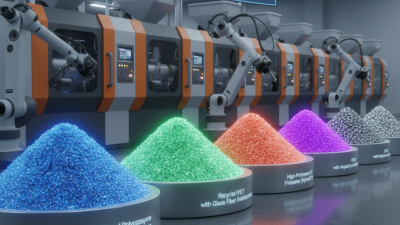
Plastic raw materials are essential components used across various industries, serving diverse applications. There are several types of plastic raw materials, classified mainly into three categories: commodity plastics, engineering plastics, and performance plastics. Commodity plastics such as HDPE (High-Density Polyethylene), LDPE (Low-Density Polyethylene), PP (Polypropylene), and PVC (Polyvinyl Chloride) are widely used due to their low cost and versatility. They are commonly found in packaging, containers, and household goods.
Engineering plastics, on the other hand, are designed for more demanding applications that require enhanced strength, thermal stability, and chemical resistance. These include materials such as ABS (Acrylonitrile Butadiene Styrene), PA (Polyamide), PVDF (Polyvinylidene Fluoride), POM (Polyoxymethylene), and TPE (Thermoplastic Elastomer). These plastics are utilized in automotive parts, electronics, and various industrial applications.
The garden plastics market exemplifies the importance of specific plastics in specialized fields, showcasing the varying qualities and applications suited for gardening products. Understanding the distinctive properties and uses of these raw materials is crucial for manufacturers to meet industry standards and consumer needs effectively.
Common Applications of Various Plastic Types
Plastics are versatile materials that come in various types, each tailored to specific applications. For instance, polyethylene (PE) is one of the most widely used plastics due to its excellent chemical resistance and durability. It is commonly employed in packaging materials, containers, and bottle manufacturing. Polypropylene (PP) follows closely behind, known for its strength and heat resistance, making it ideal for automotive parts, textiles, and food packaging solutions.
Another prominent type of plastic is polyvinyl chloride (PVC), which is used extensively in construction, plumbing pipes, and electrical cable insulation due to its durability and resistance to environmental degradation. Meanwhile, polystyrene (PS) is favored in the production of disposable cutlery, packaging materials, and insulation products. Each type of plastic serves distinct roles across various industries, demonstrating the significance of their application in day-to-day life and industrial processes.
Advantages and Disadvantages of Different Plastics
When exploring the advantages and disadvantages of different types of plastics, it's essential to recognize their diverse applications. For instance, polyethene, widely used in packaging and containers, boasts excellent resistance to moisture and a lightweight nature. However, its lower durability and susceptibility to UV degradation can limit its lifespan, particularly in outdoor uses. Conversely, polycarbonate shines in applications requiring high impact resistance, making it ideal for eyewear and safety equipment. Yet, it can be prone to scratching and tends to be more expensive than alternative materials.
On the other hand, thermosetting plastics like epoxy and phenolic resins offer superior heat resistance and strength, making them suitable for automotive and aerospace components. These materials, while durable, tend to be less flexible and cannot be remolded once set, which can hinder recycling efforts. Another example is PVC, renowned for its versatility and cost-effectiveness in plumbing and electrical applications; however, its production and disposal pose environmental challenges, including the release of harmful chemicals. Understanding these advantages and disadvantages is crucial for selecting the right plastic for specific applications while considering environmental impacts.
Plastic Raw Material Types and Their Applications
Environmental Impact of Plastic Raw Materials
The environmental impact of plastic raw materials is a highly debated topic that warrants careful consideration. Many misconceptions exist regarding single-use plastics, such as their role in overall environmental degradation. Recent studies have shown that the impact of plastic packaging can be overstated, highlighting the importance of evaluating each material's life cycle rather than relying on vague generalizations. For instance, advanced recycling methods are emerging as significant innovations, demonstrating the potential to reduce greenhouse gas emissions associated with plastic production by up to 23%.
It is also vital to understand that not all alternatives to plastic are inherently better for the environment. For example, a comparison of plastic and glass packaging reveals that plastic may inflict 70% less greenhouse gas emissions when examined under similar conditions. Thus, consumers and industries alike should reconsider their perceptions about materials and their environmental footprints.
Tips: When choosing between plastic and other materials, it is essential to assess the complete life cycle, including production, reuse, and disposal. Additionally, supporting advancements in recycling technologies can contribute to more sustainable practices and reduced environmental harm. Always stay informed about the latest research and developments in material science to make environmentally responsible choices.
What is Plastic Raw Material Types and Their Applications - Environmental Impact of Plastic Raw Materials
| Type of Plastic Raw Material |
Common Applications |
Environmental Impact |
| Polyethylene (PE) |
Bags, bottles, toys |
Low recyclability, can cause ocean pollution |
| Polypropylene (PP) |
Food containers, automotive parts |
Recyclable, but still contributes to landfill waste |
| Polyvinyl Chloride (PVC) |
Pipes, siding, flooring |
Difficult to recycle; harmful additives |
| Polystyrene (PS) |
Packaging, disposable cutlery |
Not widely recycled; persistent in environment |
| Polyethylene Terephthalate (PET) |
Drink bottles, textiles |
Recyclable; can degrade in the environment |
Future Trends in Plastic Raw Material Development
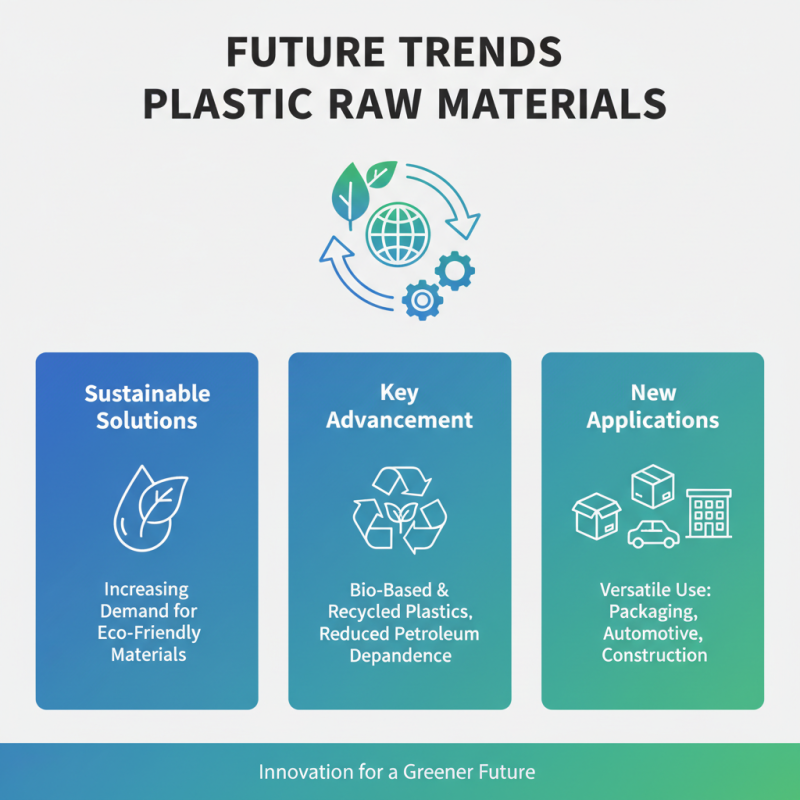
The future trends in plastic raw material development are closely tied to the increasing demand for sustainable and innovative solutions within the industry. As environmental concerns become paramount, manufacturers are investing in bio-based and recycled plastics, significantly reducing reliance on traditional petroleum-based raw materials. These advancements not only promote sustainability but also open up new avenues for product applications across various sectors, including packaging, automotive, and construction.
Moreover, the integration of advanced technologies such as AI and IoT in the production process is set to revolutionize the plastic industry. These technologies enhance efficiency and reduce waste during production, allowing for tailored plastic solutions that meet specific consumer needs. As the machinery sector, particularly engineering machinery, is projected to see substantial growth, the adaptability of plastic materials will play a crucial role in design and functionality, further driving innovation in the market. This dynamic landscape highlights the critical intersection of technology, sustainability, and market demand in the evolution of plastic raw materials.