What is Plastic Injection Moulding and How Does It Work?
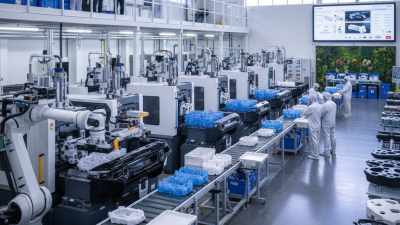
Plastic injection moulding is a key manufacturing process, transforming raw plastic into usable products. Companies across various industries rely on this method for efficiency. By using heat and pressure, plastic injection moulding creates detailed shapes that meet precise specifications.
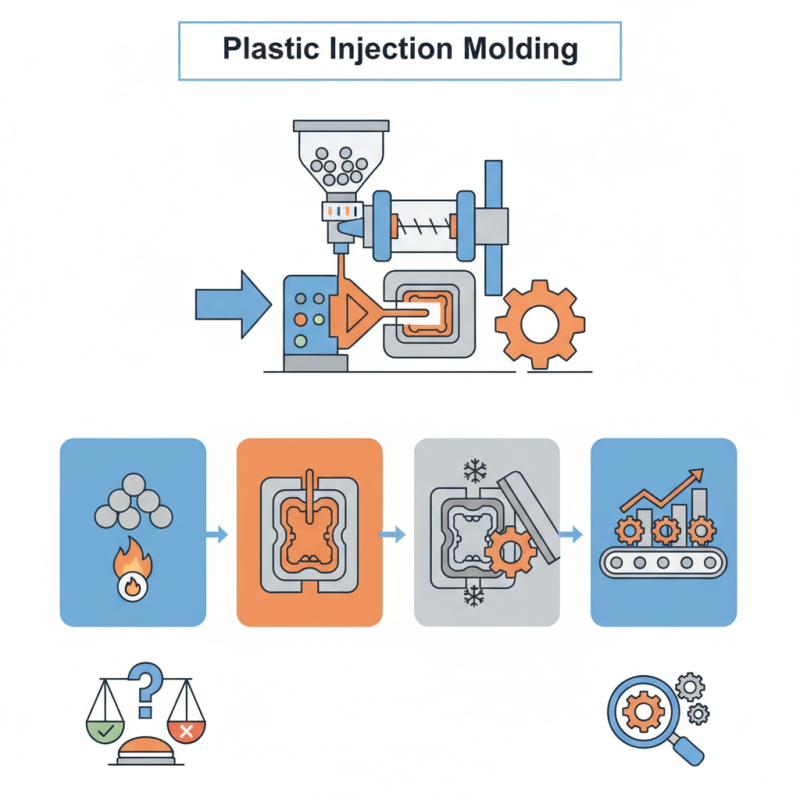
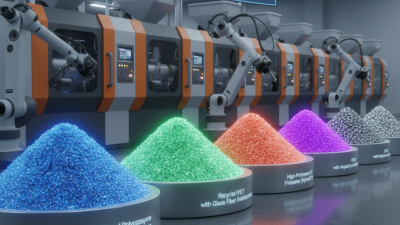
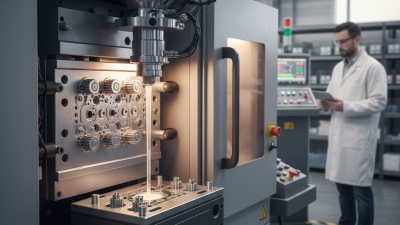
The process begins with plastic pellets. These are heated until they melt. Next, the molten plastic is injected into a mould. Once it cools, it solidifies into the desired shape. This approach allows for high production rates, which is beneficial for businesses aiming to meet market demand.
Despite its advantages, challenges exist. For instance, achieving consistent quality can be tricky. Slight variations may arise during production, affecting end products. Understanding the intricacies of plastic injection moulding can help manufacturers optimize their processes and improve reliability.
What is Plastic Injection Moulding?
Plastic injection moulding is a manufacturing process used to create plastic products. It involves injecting molten plastic into a mould. Once cooled, the plastic solidifies into the desired shape. This technique is popular in various industries, from automotive to consumer goods. The precision of plastic injection moulding allows for intricate designs and uniformity in production.
Tips: Choose the right materials. Different plastics have unique properties and melting points. Keep in mind that not all plastics suit every application. Also, consider the mould design. A well-designed mould will improve production efficiency and reduce errors.
It's important to remember that not every injection moulding project is flawless. Sometimes, issues arise like air bubbles or surface imperfections. These problems may require additional design adjustments or parameter tuning. Understanding the limitations of the materials and machines is crucial for achieving the best results. Embrace setbacks as learning opportunities in your production journey.
Plastic Injection Moulding Production by Year
The History and Evolution of Plastic Injection Moulding
Plastic injection moulding has a fascinating history. It began in the early 19th century. The first plastic material, Parkesine, was developed in 1856. Soon after, other materials followed. However, the process of injection moulding didn’t emerge until 1872. A visit to a factory in that era revealed simple machines. They were operated by hand and produced rudimentary shapes.
By the 1930s, significant advancements were made. The introduction of Bakelite changed everything. This was the first synthetic plastic made from phenol and formaldehyde. Factories started using electric machines for mass production. The method became efficient but faced challenges. Early plastic parts could be brittle and limited in design. Over time, innovations surfaced. Materials evolved, allowing for more complex designs.
Yet, this progress comes with reflection. The rapid growth raised questions about sustainability. Plastic waste became a pressing issue. Today, the industry strives to balance efficiency and environmental impact. While injection moulding remains crucial, improvement is needed. Think about how the past shapes our present choices.
Key Components of the Injection Moulding Process
Plastic injection moulding is a widely used manufacturing process in various industries. The key components of this process include the injection unit, clamping unit, and mould. Each plays a crucial role in shaping plastic products efficiently and effectively.
The injection unit melts plastic pellets and injects them into the mould. The process uses high pressure to ensure a perfect fill. According to industry reports, nearly 30% of all plastic products are produced using injection moulding. This method allows for complex designs and rapid production cycles. However, achieving optimal results requires precise temperature and pressure control.
The clamping unit holds the mould in place during injection. It applies significant force to prevent the mould from opening under pressure. A well-maintained clamping unit can significantly reduce defects in the final product. Tips for improvement include regular maintenance checks on the clamping mechanisms.
If you notice inconsistencies in your output, reevaluate your material choice and process parameters. Explore alternatives if issues persist, as the industry highly values adaptability. Always test new settings incrementally to avoid larger production problems. Remember, even small adjustments can lead to noticeable improvements in quality.
Step-by-Step Process of Plastic Injection Moulding
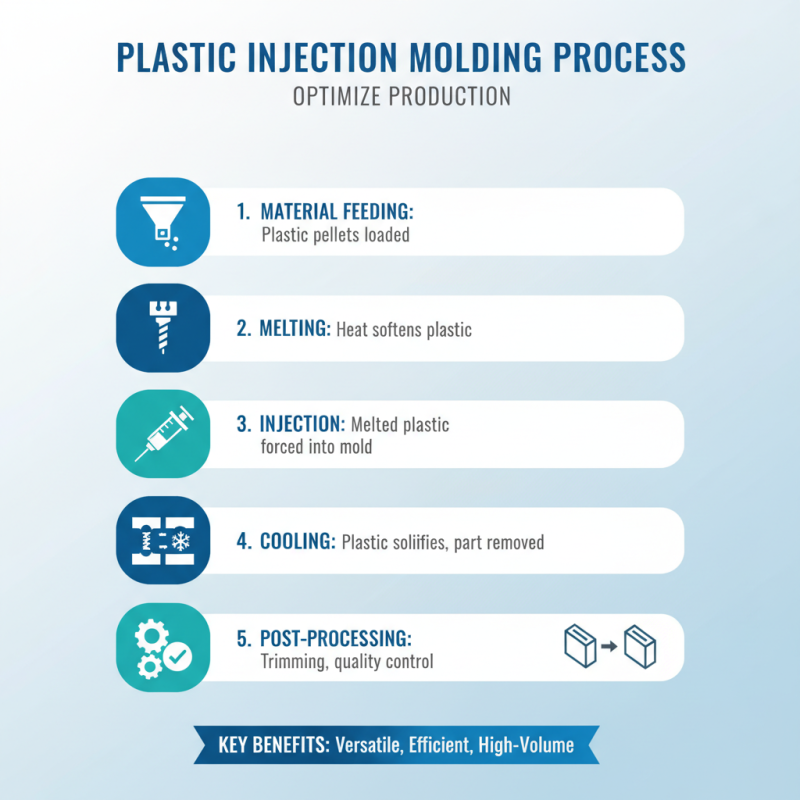
Plastic injection moulding is a widely used manufacturing process. It creates various plastic parts and products. Understanding the step-by-step process is vital for companies aiming to optimize production.
The process begins with material selection. Different types of plastics can be used. Once selected, the plastic granules are heated until they melt. This requires precise temperature control. If the temperature is too high, the material can degrade. Then, the molten plastic is injected into a mold. The mold shape dictates the final product. The injection process operates within seconds. It’s efficient but requires careful monitoring.
Cooling is the next step. The mold cools and solidifies the plastic. Cooling time varies depending on part thickness. Reports indicate that cooling can take from 15 seconds to several minutes. Mistakes during this phase lead to defects. After cooling, the mold opens, and the part is ejected. This process seems simple but often leads to quality challenges. Each stage must be monitored to avoid waste. Data suggests that improper cooling can contribute to as much as 30% of production defects. Continuous refinement and adjustment are necessary for optimal output.
Applications and Advantages of Plastic Injection Moulding
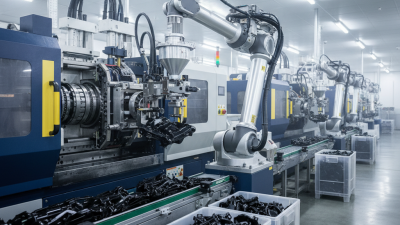
Plastic injection moulding is widely used in various industries. This process creates precise and complex shapes. From automotive parts to consumer electronics, its applications are extensive. The versatility of this method allows for mass production of intricate components. Items like casings, containers, and kitchenware are just a few examples.
One significant advantage of plastic injection moulding is efficiency. The process can produce thousands of parts quickly. This efficiency can reduce production costs substantially. However, achieving the perfect design is not always easy. Designers must consider shrinkage and material flow. These factors can affect the final product. Attention to detail during the design phase is crucial.
Another benefit is the ability to use various materials. Different types of plastics can be employed. This flexibility allows manufacturers to select the best material for specific applications. Yet, choosing the wrong type can lead to issues. It’s vital to assess the application's demands. The right choice can enhance durability while minimizing waste.
What is Plastic Injection Moulding and How Does It Work? - Applications and Advantages of Plastic Injection Moulding
| Dimension |
Value |
| Typical Cycle Time |
15-30 seconds |
| Material Types |
PP, PE, PVC, PS, ABS |
| Common Applications |
Automotive parts, Consumer products, Medical devices, Electrical housings |
| Advantages |
High efficiency, Repeatability, Low waste, Complex shapes |
| Typical Production Volume |
Thousand to millions of units |
| Mould Material |
Steel or Aluminum |