What is PET Release Film and How is it Used in Industries?
In the fast-evolving world of manufacturing, "PET Release Film" plays a crucial role across various industries. Experts emphasize its significance. Dr. Emily Zhang, a leading authority in polymer technology, states, “PET Release Film enhances efficiency in production lines.” This film acts as a barrier, allowing materials to separate easily without sticking.
Used primarily in applications such as adhesive bonding, this film provides a reliable solution. Its versatility supports a range of sectors, including healthcare, automotive, and electronics. As industries seek sustainable practices, PET Release Film stands out for its recyclability. This addresses environmental concerns while maintaining performance.
However, challenges remain. Not all manufacturers fully understand its properties and potential. Some may overlook its applications, leading to inefficiencies. Education and proper training are essential to ensure optimal use. Thus, staying informed about advancements in PET Release Film is vital for industry professionals.
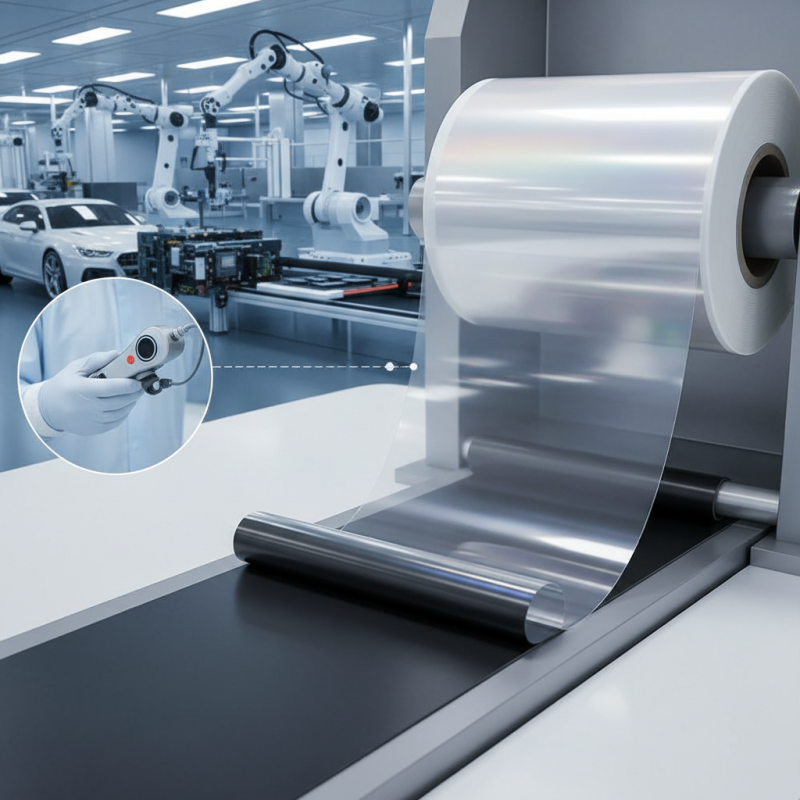
Introduction to PET Release Film: Definition and Characteristics
PET release film, made from polyethylene terephthalate, is widely valued for its unique properties. This film features a smooth surface, which makes it an excellent choice for applications requiring easy release. Its chemical resistance is notable, making it suitable for various manufacturing processes. According to a report from the Global Release Film Market, the demand for PET films is projected to grow at a CAGR of 4.5% from 2021 to 2026. This growth underscores the increasing reliance on PET in diverse industries.
Industries like automotive, electronics, and packaging extensively utilize PET release film. In automotive production, it serves as a release liner during the manufacturing of composite materials. The film's durability allows it to withstand extreme conditions. In electronics, PET is used in adhesive applications for screens and components, ensuring a clean finish. Furthermore, studies reveal that about 30% of adhesive failures can be attributed to improper release techniques. This statistic highlights the importance of selecting high-quality release films to enhance product performance.
However, the PET release film is not without its challenges. Environmental concerns regarding plastic waste pose significant questions for manufacturers. Efforts are increasing to find biodegradable alternatives or recycling methods for used PET films. Balancing efficiency and sustainability remains a critical issue in the industry. As companies push for innovative solutions, the focus on responsible material usage is more vital than ever.
Manufacturing Process of PET Release Film in Various Industries
PET release film is crucial in various industries, especially in manufacturing processes. The production of this film begins with polyethylene terephthalate pellets. These pellets undergo a melting process and are extruded into thin sheets. During this stage, temperature control is vital. It ensures uniform thickness and quality. Inconsistent heating can lead to defects, affecting performance.
Once the sheets are formed, surface treatment is applied. This enhances their release properties, making them more effective in applications like adhesive tapes or labels. Coatings or treatments like silicone can be added. These layers significantly improve the film's ability to separate from substrates. However, the precision of these coatings is essential. An uneven distribution can lead to release failures, a significant concern for manufacturers.
Quality control is a constant in the PET release film production process. Testing for tensile strength and elasticity is standard. Companies must address these challenges. Monitoring every aspect of production helps ensure a reliable product. While advances have been made, the industry must continually innovate to meet growing demands. Emphasizing sustainability and eco-friendly practices is also becoming increasingly important.
Applications of PET Release Film in Packaging and Adhesives
PET release film is a versatile material widely used in various industries. Its primary applications are seen in packaging and adhesives, where its unique properties come into play. This film provides an easy release surface that prevents sticking. It facilitates the smooth transfer of products, especially when multiple layers are involved. The clarity and durability of PET make it an ideal choice for protective and display applications.
In packaging, PET release film is often utilized for labels, protective covers, and flexible pouches. It enhances the visual appeal of packaged products while ensuring easy opening for consumers. In the adhesive industry, it serves as a liner for pressure-sensitive adhesives. This film aids in the efficient application and handling of sticky products. However, companies must consider not all releases are perfect. Inconsistent adhesion can lead to product failures.
Another area where PET release film shines is the manufacture of composite materials. It allows for precise layering and secure bonding without unwanted adhesion. Yet, the use of PET does raise environmental concerns. While it is recyclable, not all facilities support PET recycling. This puts a spotlight on the need for more sustainable practices. Addressing these challenges could improve both the effectiveness and the environmental footprint of PET release films in various applications.
Advantages of PET Release Film Over Other Types of Release Films
PET release film is gaining popularity in various industries due to its numerous advantages. One major benefit is its superior release properties. This film allows for easy separation from adhesives and coatings. Consequently, it minimizes the risk of damage to the surface beneath. In contrast, other types of release films may not provide the same level of efficiency.
Another advantage is PET's durability. It can withstand high temperatures and harsh chemicals without degrading. Some films might melt or lose functionality under stress. This resilience makes PET ideal for manufacturing environments. It performs well even in demanding conditions, ensuring a reliable experience for users.
Tips: When choosing a release film, consider its compatibility with your specific application. Testing a small sample can help assess performance. Note that not all films are created equal. Some may require adjustments in use to achieve optimal results. Always keep an eye on how the film interacts with various substances. Your observations can guide future decisions in material selection.
Sustainability and Environmental Considerations of PET Release Film Usage
The use of PET release film has gained popularity due to its distinct advantages in various industries. However, as its usage expands, sustainability concerns arise. Traditional plastic films contribute significantly to waste. This raises questions about eco-friendly alternatives. The production of PET involves energy-intensive processes, raising carbon footprints.
Many manufacturers are exploring ways to reduce environmental impact. One option is to develop biodegradable or recycled PET films. Transitioning to recycled materials can lower energy consumption and reduce waste. However, the quality and durability of these alternative films often need further assessment.
Moreover, recycling initiatives for PET still face challenges. It’s crucial to improve collection and sorting processes. Current recycling methods are not always efficient. This inconsistency can hinder the effectiveness of sustainable practices in industries. As PET release film continues to be utilized, the balance between performance and eco-friendliness remains a topic for ongoing dialogue and development.