What Are the Key Steps in the Injection Molding Process?
The injection molding process is a critical method in manufacturing industries, particularly in producing plastic components. According to a recent report from Grand View Research, the global injection molding market is expected to reach $382.8 billion by 2027. This growth highlights the significance of this technique in various sectors, including automotive, consumer goods, and medical devices.
An effective injection molding process involves several key steps. These include material selection, mold design, and cycle optimization. Each step requires expertise to ensure high-quality output. For instance, material choice affects the final product's durability and performance. Inadequate choices can lead to flaws in the final product. This underscores the need for careful consideration during the initial phases.
Continuous advancements in technology are shaping the injection molding landscape. Integrating automation and simulation technologies can enhance efficiency and reduce errors. However, challenges remain. Many manufacturers still struggle with long cycle times and high waste rates. Addressing these issues is vital for both sustainability and cost-effectiveness.
Overview of the Injection Molding Process
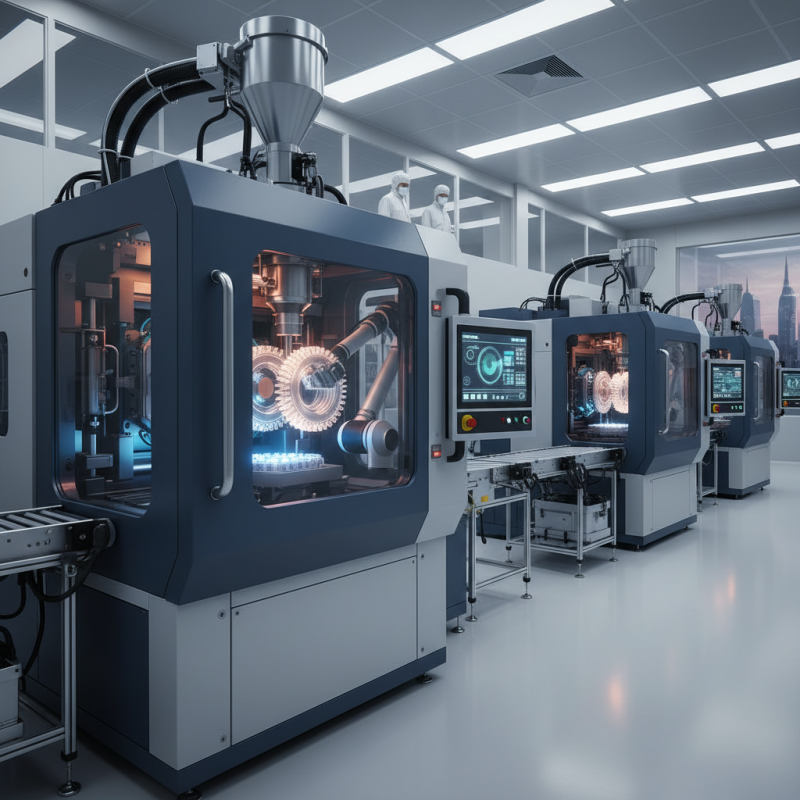
The injection molding process is a vital manufacturing method. It is widely used for creating plastic parts. This technique involves several key steps that contribute to its efficiency and precision.
The cycle begins with material preparation. Thermoplastics or thermosetting polymers are heated until they melt. Once the material is ready, it is injected into a mold. The mold shapes the liquid into the desired form. It remains closed until the material cools and solidifies. This cooling process takes time. Eventually, the mold opens, and the finished part is ejected. Attention to detail in each step is crucial.
Tip: Ensure that the temperature settings are accurate. Too hot, and the material burns. Too cool, and it won't flow properly.
Quality control is essential throughout this process. Monitoring material consistency helps prevent defects. An unexpected flaw can lead to production delays. Regularly inspecting molds is also necessary to maintain product quality.
Tip: Schedule routine maintenance for molds. Wear and tear can impact the overall output.
Finally, optimizing the cycle time is a continuous challenge. Reducing time without sacrificing quality is key. Experimenting with different materials or mold designs may reveal improvements. It’s a balance between speed and precision.
Material Preparation and Selection for Injection Molding
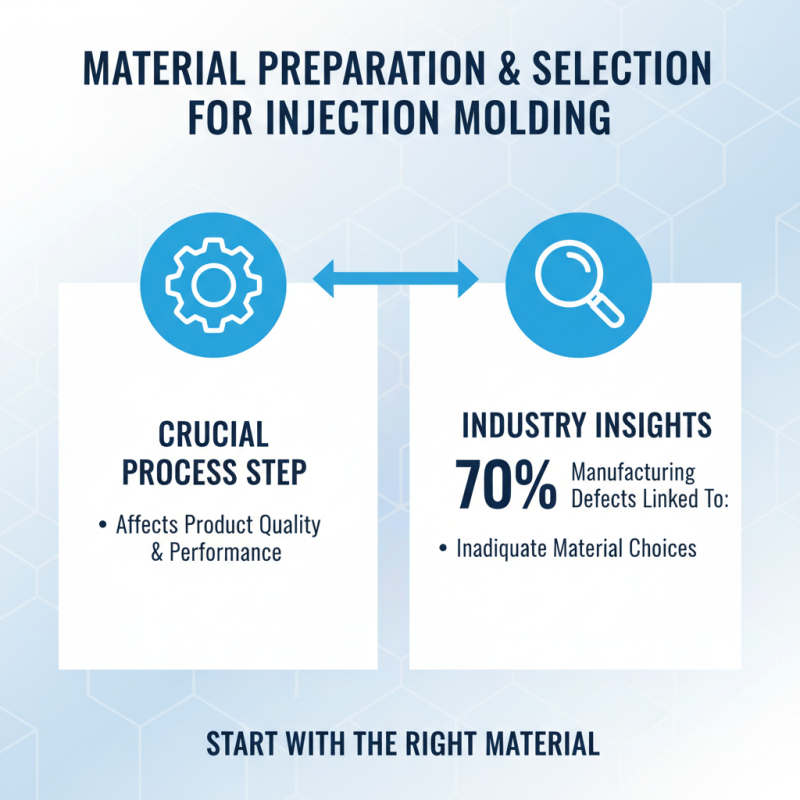
Material preparation and selection are crucial in the injection molding process. The choice of raw materials affects the final product’s quality and performance. In fact, recent industry reports show that nearly 70% of manufacturing defects are linked to inadequate material choices. This highlights the importance of starting with the right material.
Key factors in material selection include thermal properties, viscosity, and reactivity. Materials must withstand high temperatures during processing. For example, thermoplastics like ABS and polycarbonate are widely used due to their favorable flow characteristics. On the other hand, certain polymers may require additives to enhance their properties, which complicates the decision-making process.
In terms of preparation, this involves drying the raw materials to eliminate moisture. Moisture can cause defects, leading to reduced part strength or aesthetic issues. A study by the Plastics Industry Association emphasizes that proper drying can reduce defects by more than 50%. However, achieving perfect moisture levels is challenging. Manufacturers must regularly monitor and adjust their processes to ensure optimal conditions. This ongoing adjustment is a critical reflection point for many in the field.
Injection Phase: Filling the Mold with Material
The injection phase is critical in the injection molding process. This stage involves filling the mold with molten material. The material is heated until it becomes liquid and then injected into the mold under high pressure. This ensures that every detail of the mold is filled. Fast and accurate filling can reduce cycle time.
During this phase, controlling temperature is vital. If the temperature is too low, the material might not flow properly. Conversely, if the temperature is too high, it can lead to degradation. Finding the right balance is crucial for quality. Monitor the pressure closely to avoid defects like short shots or warping.
**Tips:**
Use high-quality materials to enhance flow. Consider preheating the mold to improve filling. Adjust the injection speed to match the complexity of the part design. Rushing through this phase can lead to costly errors. Always conduct tests to refine your technique and ensure reliability in production.
Key Steps in the Injection Molding Process: Injection Phase
| Step Number |
Description |
Material Used |
Temperature Range (°C) |
Cycle Time (seconds) |
| 1 |
Melt the plastic material |
Polypropylene (PP) |
220 - 240 |
10 |
| 2 |
Inject molten material into the mold |
Polycarbonate (PC) |
250 - 280 |
8 |
| 3 |
Cool and solidify the material |
Nylon (PA) |
190 - 210 |
15 |
| 4 |
Eject the finished part from the mold |
Acrylonitrile Butadiene Styrene (ABS) |
220 - 240 |
5 |
| 5 |
Inspect and finish the part |
Polystyrene (PS) |
180 - 200 |
12 |
Cooling and Solidification of the Molded Part
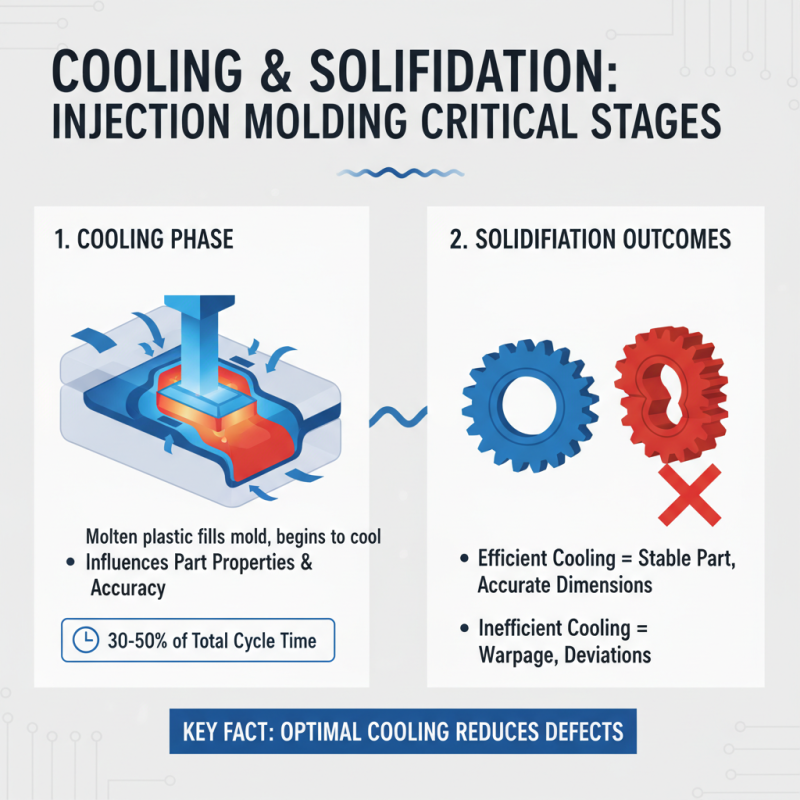
Cooling and solidification are critical stages in the injection molding process. After molten plastic fills the mold, it begins to cool. This cooling phase directly influences the part's physical properties and dimensional accuracy. According to industry data, the optimal cooling time often accounts for 30-50% of the total cycle time. Inefficient cooling can lead to warpage or dimensional deviations.
Heat transfer during cooling is affected by several factors. The material being molded, mold design, and the cooling channel configuration play key roles. A study revealed that adjusting the cooling channel layout can improve cooling efficiency by as much as 30%. However, achieving the ideal cooling rate remains challenging. Too quick of a cooling process can result in inadequate solidification, which increases the risk of defects.
Achieving uniform cooling is essential. Variations in temperature can create internal stresses. This might lead to part failures during usage. Maintaining consistent cooling parameters helps to mitigate these risks. Yet, optimizing cooling layouts requires careful analysis and testing. Many times, basic calculations need reevaluation to balance speed and quality effectively.
Ejection and Finishing of the Final Product
Ejection marks the final stage in the injection molding process. After the molten material cools, ejection mechanisms push the item out of the mold. The process must be precise to avoid damage. Any misalignment can lead to defects. Research indicates that improper ejection can increase scrap rates by up to 30%. Therefore, understanding proper techniques is vital.
Finishing touches enhance the final product's attributes. This step may include trimming excess material and surface treatments. Techniques like painting or sanding improve aesthetics. Data reveals that nearly 70% of manufacturers emphasize surface quality as a competitive factor. Proper finishing aids in achieving desired attributes while reducing rework. Implementing efficient finishing processes can enhance product durability significantly.
Reflection on the ejection and finishing stages illuminates challenges faced by manufacturers. An efficient design may fail if these stages are overlooked. Continuous improvement in ejection systems and finishing methods is essential. Manufacturers must regularly evaluate their processes for better performance and lower production costs. A commitment to quality throughout these stages is crucial for success in the competitive market.