What is Injection Moulded Parts and Their Benefits for Buyers?
In today's competitive manufacturing landscape, understanding the value of injection moulded parts is crucial. These components have transformed various industries by providing cost-effective and efficient solutions. John Smith, a leading expert in polymer engineering, states, "The precision and versatility of injection moulded parts can significantly enhance product designs."
Injection moulded parts are used in automotive, consumer goods, and medical devices. The benefits are multifaceted, from reduced material waste to faster production times. Buyers often seek reliability and durability in components, making these parts ideal due to their robust performance under different conditions. However, challenges remain. Not all designs translate well to injection moulding, and sometimes the upfront costs can be intimidating.
As industries evolve, manufacturers must adapt. The insights into injection moulded parts lead to innovation. A deep understanding of material properties, design intricacies, and manufacturing processes is essential. This complexity fosters growth in the sector but requires careful consideration from buyers. Balancing cost, design capability, and quality remains vital for success.
What are Injection Moulded Parts?
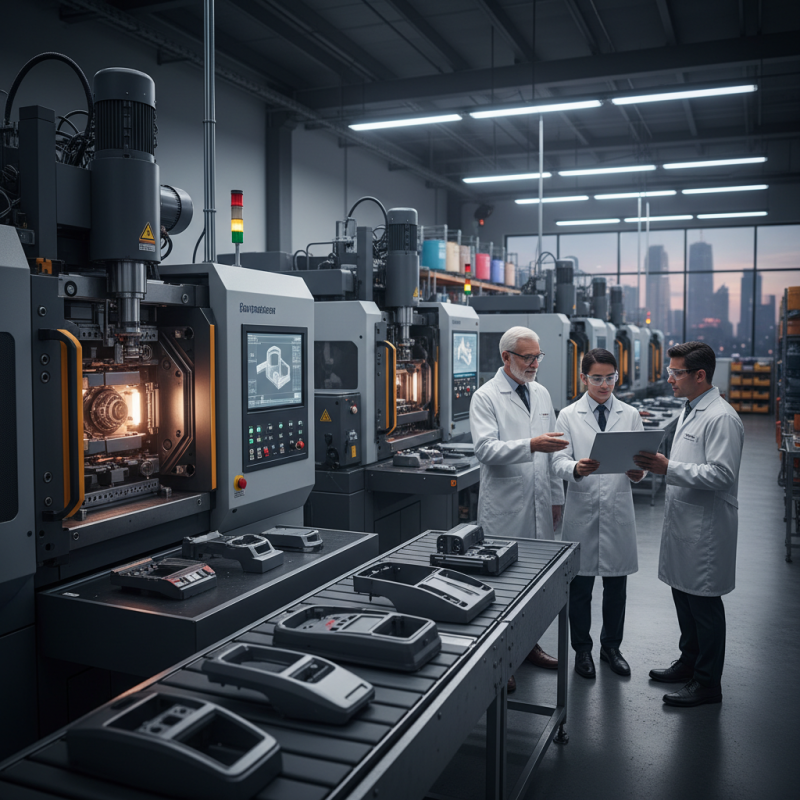
Injection moulded parts are manufactured through a process where molten plastic is injected into a mold. This method allows for high-volume production of intricate shapes. The versatility of materials used is one of its significant advantages. Various thermoplastics can be utilized, accommodating diverse applications from consumer goods to industrial components.
The design flexibility is another key aspect of injection moulding. Complex geometries can be achieved with precision. In addition, this process helps reduce waste, as excess material can often be reused. However, the initial setup costs can be high. Buyers need to consider whether the benefits outweigh the investment.
Quality control is crucial. Each batch must meet specific standards to ensure functionality. If parts do not fit correctly, it can lead to larger issues down the line. This process isn't without its flaws. Occasionally, imperfections may arise, requiring adjustments or redesigns. It's essential for buyers to work closely with manufacturers to ensure optimal results.
The Process of Injection Moulding Explained
Injection moulding is a widely used manufacturing process for creating parts from thermoplastic and thermosetting polymers. The process begins with raw plastic being melted and injected into a mold. This mold shapes the plastic as it cools, solidifying it into the desired form. Temperature control is crucial during this process to ensure uniformity. Overheating can lead to degradation, while inadequate temperatures can result in incomplete parts.
One significant benefit of injection moulded parts is their precision. This method allows for intricate designs that are difficult to achieve with other techniques. It can produce complex geometries with tight tolerances. Moreover, the process is highly repeatable, making it ideal for mass production. However, it requires significant initial investment in custom molds. This can make it less attractive for lower volume production runs.
Another aspect to consider is material waste. While injection moulding generally produces less waste than other methods, there is still some scrap material generated during the process. Additionally, the quality of the final product can be affected by various factors, such as mold design and material choice. Hence, buyers must assess their specific needs before committing to this production technique. Understanding these nuances can lead to better decision-making in procurement.
Injection Moulded Parts Production by Material Type
This bar chart illustrates the production volumes of injection moulded parts by material type for the year 2023. It highlights the dominance of plastic in the market, followed by metal and rubber, showing the diverse applications of injection moulding in various industries.
Key Advantages of Injection Moulded Parts for Buyers
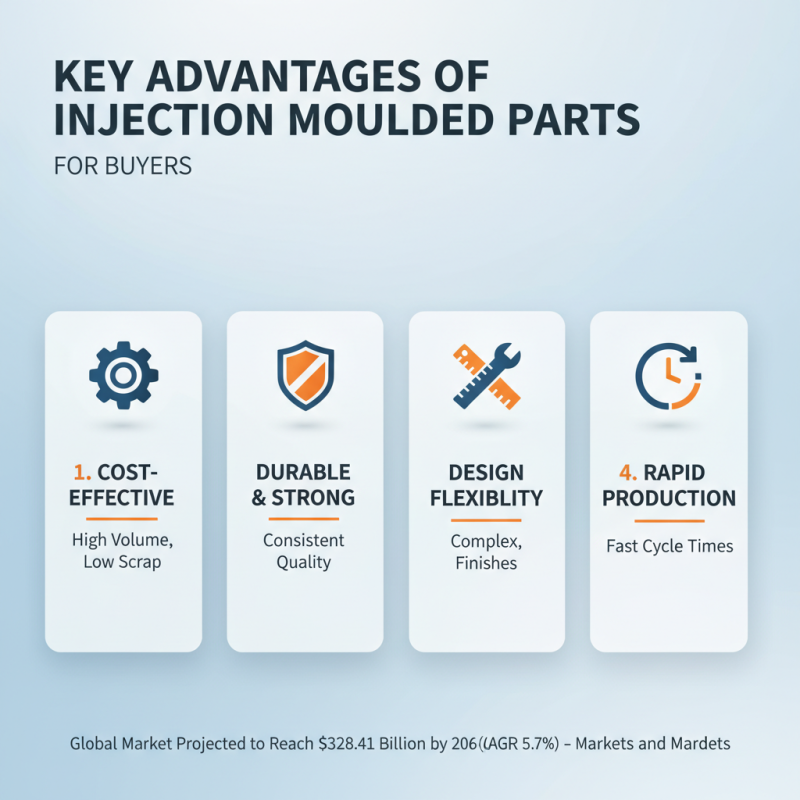
Injection moulded parts have gained significant traction in various industries due to their unique advantages for buyers. These parts are created through a process where molten material is injected into a mould. According to a report by Markets and Markets, the global injection moulding market is projected to reach USD 328.41 billion by 2026, growing at a CAGR of 5.7%. This growth underscores the increasing demand for efficient manufacturing processes.
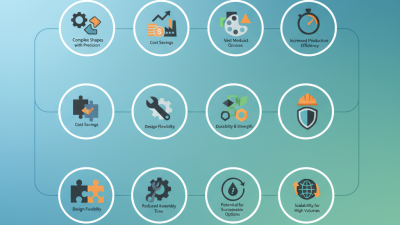
One key advantage for buyers is cost-effectiveness. The injection moulding process allows for high-volume production, resulting in lower unit costs. This cost-saving potential can be crucial for manufacturers aiming to maintain competitive pricing. Additionally, the precision of injection moulded parts often leads to reduced material waste. However, it’s important to consider the initial investment in mould creation, which can be a challenge for smaller businesses.
The design flexibility offered by injection moulding is another notable benefit. Complex shapes and intricate designs can be achieved, opening doors for innovation. This capability can enhance product performance and aesthetic appeal. However, some designs may pose challenges in terms of mould durability and production time. As such, manufacturers must balance innovation with practicality to optimize the benefits of injection moulded parts while being mindful of potential pitfalls.
Industries That Benefit from Injection Moulded Components
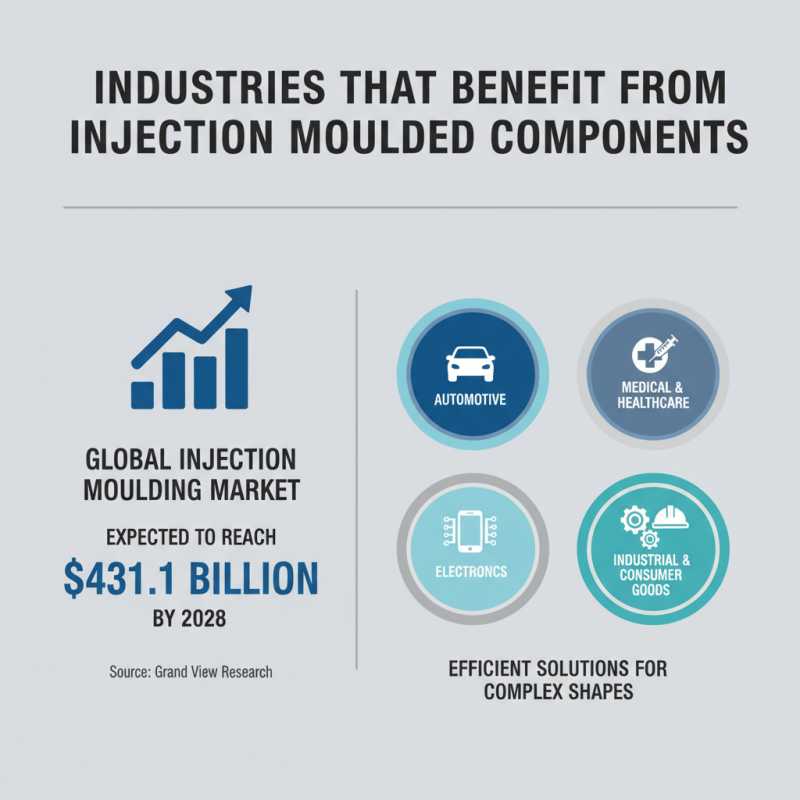
Injection moulded parts play a crucial role in various industries, providing efficient solutions for manufacturing complex shapes. According to a report by Grand View Research, the global injection molding market is expected to reach $431.1 billion by 2028. This growth highlights the increasing reliance on injection moulded components across several sectors.
The automotive industry significantly benefits from injection moulding. It enables manufacturers to produce lightweight yet durable components. The ability to create intricate designs reduces assembly time and costs. A study by MarketsandMarkets reveals that the automotive segment is projected to hold over 40% of the injection moulding market share by 2025.
Consumer electronics also leverage injection moulded parts for precision and aesthetics. From mobile phone casings to intricate circuit board components, these parts ensure functionality without sacrificing design. However, there are challenges, such as the need for precise temperature control during the moulding process. Even minor fluctuations can affect product quality. Moreover, sourcing sustainable materials remains a priority. Many companies are actively exploring bio-based plastics to mitigate environmental impact.
Common Applications of Injection Moulded Parts in Everyday Products
Injection moulded parts play a crucial role in various everyday products. These components are commonly found in items like toys, automotive parts, and household appliances. A report by Grand View Research estimates that the global injection moulding market will reach $341.3 billion by 2025, reflecting its widespread adoption in diverse industries.
One of the significant applications of injection moulded parts is in consumer electronics. Cases for smartphones and laptops are often created using this method due to its efficiency. The technique allows for complex designs and precise manufacturing. Additionally, the automotive sector benefits from lightweight and durable parts, improving fuel efficiency and safety.
Tips: When considering injection moulded parts for your products, prioritize material selection. High-quality materials can enhance performance and longevity. It’s also essential to work with experienced manufacturers. Their expertise can help avoid common pitfalls, such as design flaws, which can lead to increased costs and production delays.
Healthcare products also utilize injection moulding, particularly for components like syringes and pill bottles. These items require stringent quality control. A failure in precision could lead to significant health risks. Optimizing designs for manufacturability is vital to ensuring safety and reliability in the end products.