Top 10 Uses of Injection Molding Pellets for Efficient Manufacturing
In the world of efficient manufacturing, the role of injection molding pellets cannot be overstated. Industry expert Dr. Emily Carter states, "Injection molding pellets are the backbone of modern manufacturing." This highlights how critical these materials are for producing quality products quickly and cost-effectively.
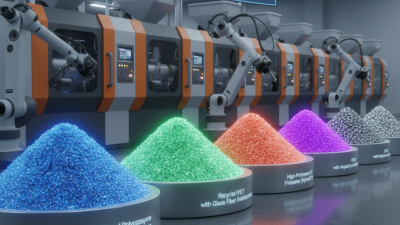
Injection molding pellets offer versatility. They enable the creation of complex shapes and designs, which are essential in industries ranging from automotive to consumer goods. With the right formulation, these pellets can enhance strength, flexibility, and thermal resistance. However, the choice of pellets is crucial. Using subpar materials can lead to defects and increased costs.
Efficiency often comes down to the selection of the right injection molding process. Not every pellet performs optimally in every application. Thus, manufacturers must evaluate their needs carefully. A misstep here might waste both resources and time. Ultimately, while injection molding pellets provide many advantages, thoughtful consideration is necessary for achieving the best outcomes.
Advantages of Using Injection Molding Pellets in Manufacturing
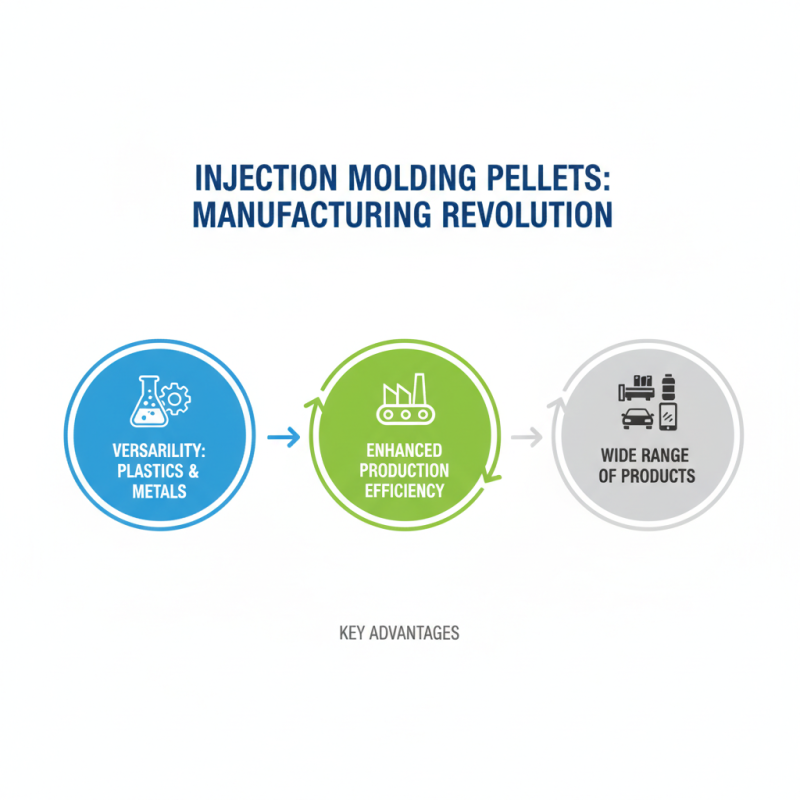
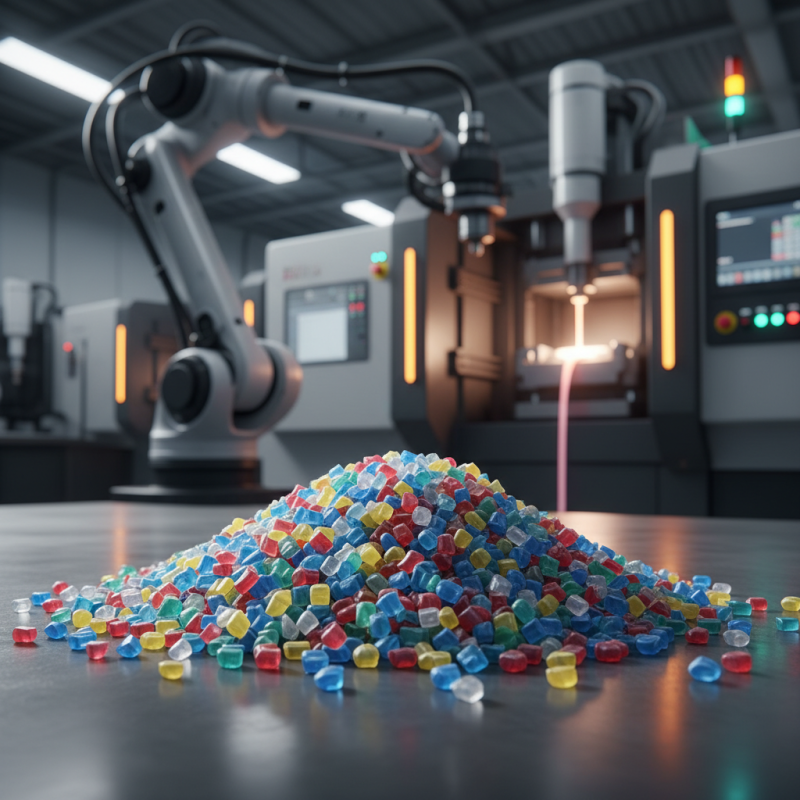
Injection molding pellets are revolutionizing the manufacturing process. Their use has several advantages that enhance production efficiency. One significant benefit is their versatility. Pellets can be made from various materials, including plastics and metals. This adaptability allows manufacturers to create a wide range of products.
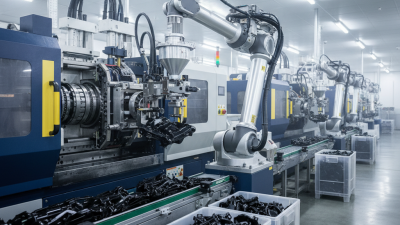
The manufacturing process becomes more efficient. Pellets melt uniformly, resulting in consistent product quality. This reduces waste and time, crucial in a fast-paced industry. Additionally, the heating process used with pellets is more energy-efficient than traditional methods.
Tips for efficient use of pellets:
- Always ensure the pellets are dry. Moisture can lead to defects.
- Monitor the temperature closely. Too high or too low affects consistency.
Customization is another advantage. Manufacturers can tailor the pellets' properties to specific applications. However, choosing the right pellet can be challenging. Testing different types may lead to unexpected results. The final product may require reworking or additional steps.
Embracing injection molding pellets can significantly improve efficiency in manufacturing. The initial investment may seem high, but the long-term benefits are undeniable. As technology evolves, keeping an eye on emerging materials and methods will be essential.
Common Materials for Injection Molding Pellets and Their Applications
Injection molding pellets are essential in manufacturing. Various materials are used, each with unique properties. Common examples include thermoplastics and thermosets, which serve different purposes.
Thermoplastics are popular for their versatility. They can be reshaped by heating and cooling. Polypropylene and polystyrene are often selected for packaging and consumer products. Their lightweight and durable nature make them ideal for many industries. However, these materials may not always withstand high temperatures.
On the other hand, thermosets like epoxy and phenolic have distinct advantages. They provide excellent heat resistance and durability. These make them suitable for applications like automotive parts and electrical insulators. Yet, their rigidity can be a limitation in some designs. Choosing the right material is crucial, and mistakes can lead to inefficiencies.
Top 10 Uses of Injection Molding Pellets for Efficient Manufacturing
| Material Type |
Common Applications |
Benefits |
Density (g/cm³) |
Melting Point (°C) |
| Polypropylene (PP) |
Packaging, automotive parts |
Lightweight, chemical resistant |
0.90 |
160-170 |
| Polyethylene (PE) |
Containers, toys |
Flexibility, moisture resistance |
0.95 |
120-140 |
| Polystyrene (PS) |
Cups, packaging materials |
Cost-effective, easy to mold |
1.05 |
240 |
| Acrylonitrile Butadiene Styrene (ABS) |
Automotive interiors, electronic housings |
Impact-resistant, durable |
1.04 |
210-250 |
| Polycarbonate (PC) |
Safety glasses, automotive parts |
High strength, heat resistant |
1.20 |
145-155 |
| Polyamide (Nylon) |
Gears, electrical components |
Wear resistance, strength |
1.13 |
190-220 |
| Thermoplastic Elastomers (TPE) |
Soft-touch grips, seals |
Elasticity, flexibility |
0.85 |
220 |
| Polyoxymethylene (POM) |
Precision parts, fasteners |
Low friction, high rigidity |
1.41 |
175-185 |
| Polyethylene Terephthalate (PET) |
Bottles, containers |
Recyclable, strong |
1.38 |
250-260 |
| Polyurethane (PU) |
Foams, coatings |
Versatile, durable |
0.25 - 1.20 |
100-250 |
How Injection Molding Pellets Contribute to Cost Efficiency in Production
Injection molding pellets play a significant role in modern manufacturing, particularly regarding cost efficiency. These small plastic beads are engineered for optimal use in automated production processes. A report from the Plastics Industry Association cites that using injection molding can reduce manufacturing costs by up to 30%. This efficiency stems from the precision with which these pellets can be melted and molded, resulting in minimal waste.
However, the effectiveness of injection molding pellets can be hindered by their handling and processing. For instance, improper storage can lead to moisture absorption. This can affect the quality of the final product. According to a study by the Society of Plastics Engineers, up to 5% of production costs can arise from defects caused by material mismanagement. Companies must invest in proper training and facilities to mitigate these risks.
The material’s consistency also matters. Variation in pellet quality can lead to inconsistent end products. This is a critical issue, especially in high-precision industries. Companies report needing extra time and resources to maintain quality standards. Some manufacturing processes see cost increases due to frequent adjustments and quality checks. Each of these factors emphasizes the importance of careful planning when using injection molding pellets.
Innovative Products Created with Injection Molding Pellets
Injection molding pellets play a crucial role in the manufacturing of innovative products. These small plastic pieces can transform into complex shapes with high precision. According to a report by the Plastics Industry Association, the injection molding market is expected to grow at a CAGR of 4.9% from 2021 to 2026. This growth is largely driven by advancements in technology, which allow for novel designs and applications.
Several industries utilize these pellets to create lightweight yet durable products. For example, the automotive sector uses them to manufacture parts that enhance fuel efficiency. Products such as car door panels and dashboards are shaped with remarkable accuracy using these pellets. Similarly, the consumer electronics industry produces lightweight housings for gadgets, promoting portability and design flexibility.
**Tip:** Consider the environmental impact of your material choice. Opt for bio-based pellets when possible.
In the medical field, precision is vital. Injection molding creates syringe components, reducing contamination risk. However, the industry still faces challenges in quality control. Manufacturing defects can lead to serious issues. Focusing on stringent quality checks is essential for maintaining product integrity.
**Tip:** Collaborate closely with suppliers for consistent material quality.
Ultimately, the potential of injection molding pellets is vast but not without its hurdles. Exploring new materials and techniques can lead to even greater innovations. Embrace the imperfections and learn from them for future advancements.
Future Trends in Injection Molding Pellets for Sustainable Manufacturing
The future of injection molding pellets is leaning heavily towards sustainability. Manufacturers are now exploring biodegradable materials. These materials reduce environmental impact and meet consumer demand for eco-friendly products. Innovations like plant-based resins are gaining traction. Using these, companies can produce items with less carbon footprint.
Recycling is another key trend. Many manufacturers are starting to reuse waste materials. This leads to more efficient production processes. However, challenges remain. Some recycled pellets may not meet required quality standards. This creates a need for enhanced sorting technologies. Companies are investing in better recycling systems to address this.
There's also a push for more efficient energy use in production. Implementing energy-efficient machinery can lower costs and improve overall sustainability. Yet, many firms struggle with the initial investment. Balancing cost and eco-friendliness is complex. Exploring alternative energy sources is essential for future success in this field. The transition may be slow, but every step forward counts.
Top 10 Uses of Injection Molding Pellets for Efficient Manufacturing