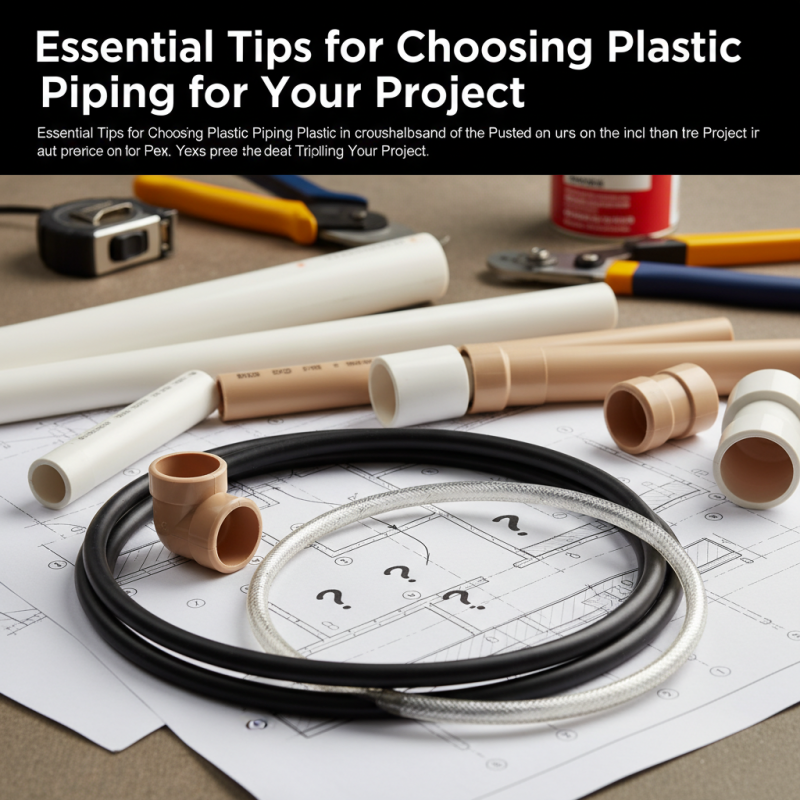
Essential Tips for Choosing Plastic Piping for Your Project?
Choosing the right material for your project is crucial. Plastic piping is a versatile option known for its durability and resistance to corrosion. Its lightweight nature makes it easy to handle and install. However, the selection process can be overwhelming due to various options available.
Different types of plastic piping serve unique purposes. PVC is popular for drainage, while CPVC is better for hot water applications. This can lead to confusion, especially for newcomers. Using the wrong type can cause issues down the line.
Consider your project's specific needs before making a decision. Think about the environment, pressure requirements, and temperature fluctuations. These factors can impact the performance of plastic piping. Some common pitfalls include underestimating the importance of quality. Choosing cheaper options may lead to repairs later on. Reflecting on these details can ensure a successful project outcome.
Understanding Different Types of Plastic Piping Materials
When choosing plastic piping, understanding the material types is crucial. Common options include PVC, CPVC, and PEX. PVC, or polyvinyl chloride, is widely used for sewer and drainage systems. It's lightweight, affordable, and resistant to corrosion. However, it can become brittle in extreme temperatures.
CPVC offers a higher temperature tolerance, making it suitable for hot water applications. Its chemical resistance is a plus for various industrial uses. Yet, it’s often more expensive than PVC. PEX, or cross-linked polyethylene, is flexible and easy to install. It's ideal for residential plumbing. But, PEX may not be suitable for outdoor use because UV light can degrade it.
Each type has its advantages and drawbacks. Selecting the right plastic piping requires careful consideration of your project’s needs. Sometimes, mixing materials may be necessary. However, this approach can lead to compatibility issues. Evaluate costs, installation methods, and expected lifespan. Remember that what works in one scenario may not in another.
Essential Tips for Choosing Plastic Piping for Your Project
| Type of Plastic Piping |
Common Applications |
Temperature Range (°F) |
Pressure Rating (psi) |
Advantages |
Disadvantages |
| PVC (Polyvinyl Chloride) |
Water supply, drainage |
32 to 140 |
Schedule 40: 280, Schedule 80: 480 |
Lightweight, corrosion resistant |
Brittle at low temperatures |
| CPVC (Chlorinated Polyvinyl Chloride) |
Hot and cold water distribution |
32 to 200 |
Schedule 40: 400, Schedule 80: 700 |
Higher temperature and pressure resistance |
More expensive than PVC |
| PEX (Cross-Linked Polyethylene) |
Residential plumbing, radiant heating |
32 to 200 |
160; flexible and less noise |
Flexible, easy to install |
Can be damaged by UV light |
| HDPE (High-Density Polyethylene) |
Gas distribution, water pipelines |
-40 to 140 |
160 to 500 |
Strong, durable, chemical resistant |
Requires special equipment for installation |
Evaluating the Strength and Durability of Plastic Pipes
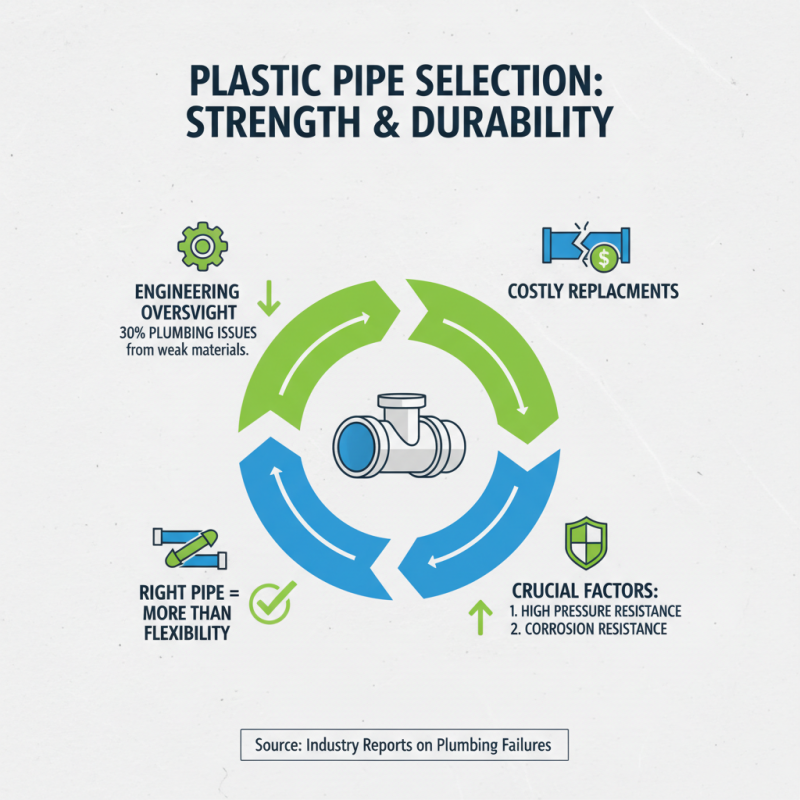
When selecting plastic piping for a project, evaluating strength and durability is crucial. Many engineers overlook these factors, leading to costly replacements. Reports indicate that more than 30% of issues in plumbing systems stem from using subpar materials. The right plastic pipes offer more than just flexibility; they withstand high pressures and resist corrosive elements.
While assessing plastic pipes, consider the type of plastic. PVC is known for its strength, while PEX provides excellent flexibility. Some materials can degrade under UV exposure, reducing lifespan. A 2022 industry survey showed that nearly 28% of professionals reported issues due to environmental factors affecting their piping choices. This highlights the necessity of careful material selection.
Tip: Always consult technical datasheets for tensile strength and temperature resistance. These details can prevent future headaches. Also, get samples for field-testing before committing to large purchases. Ultimately, choosing the right plastic piping goes beyond cost—it’s about ensuring reliability and longevity. Don't let short-term savings lead to long-term troubles.
Assessing Temperature and Pressure Ratings for Your Application
When selecting plastic piping, understanding temperature and pressure ratings is crucial. These ratings dictate how the piping performs under specific conditions. For example, PVC pipes typically handle temperatures up to 140°F (60°C) and pressures reaching 150 psi. However, exceeding these limits can lead to failures. A report by the Plastic Pipe Institute underscores the importance of adhering to these specifications.
While considering your application, it's vital to analyze the environment. If your project involves hot water or chemicals, you may need materials like CPVC or PEX. CPVC, for instance, can withstand temperatures up to 200°F (93°C), making it suitable for more demanding scenarios. Yet, each project presents unique challenges. Incorrectly assessing temperature and pressure can result in leaks or pipe bursts.
It’s important not to overlook the installation process. Even high-rated pipes can fail if improperly installed. Research indicates that improper fittings and joint connections account for a significant portion of piping failures. Therefore, always review your installation methods. Ensure that your team understands the technical requirements and adheres to best practices.
Considering Cost and Availability in Your Piping Choices
When selecting plastic piping for a project, the cost and availability are crucial factors. According to the Plastic Pipe and Fittings Association (PPFA), polyvinyl chloride (PVC) pipes are one of the most common materials used due to their affordability and versatility. The lower cost can amount to 30% less than metal piping options. However, fluctuating prices can catch contractors off guard. Keeping track of market trends can help avoid unexpected expenses.
Availability can vary by location. Some regions may offer better access to specific materials, which can affect project timelines. It’s important to assess local suppliers and inventory. Delays in sourcing pipes can lead to extended project durations, increasing overall costs.
Tips: Always request quotations from multiple suppliers. This can provide insight into the best prices available. Also, consider bulk purchasing to secure discounts. Another suggestion is to evaluate your long-term use of specific pipe types. Sometimes, less popular options may be more cost-effective over time, despite their initial price. Relying solely on initial costs may overlook future savings.
Cost Comparison of Common Plastic Piping Materials
This chart represents the cost per meter for various common plastic piping materials. Pricing can be a crucial factor in deciding which type of piping to use for your project.
Identifying Environmental and Health Factors Related to Plastic Piping
When choosing plastic piping, it’s crucial to assess environmental and health impacts. Plastic materials often contain additives that may leach over time. This raises concerns about water quality and safety. For instance, certain types of plastic can release harmful chemicals. These chemicals can disrupt hormonal systems in humans and wildlife.
Additionally, consider the environmental consequences of plastic production. The manufacturing process for plastic piping generates significant greenhouse gases. The disposal of plastic can lead to soil and water contamination. Some plastics are recyclable, but not all end up being recycled. Think about the longevity of the material. Will it withstand environmental stressors without degrading?
Researching regulations regarding plastic piping is essential. Many regions have specific guidelines to minimize health risks. Understanding this can inform better choices during the selection process. It’s not merely about finding the cheapest option, but rather a balance between cost, environmental protection, and health safety.