

Your Compounder of Choice

Mon - Fri: 8:00 - 16:30 | Sat & Sun: Closed

What Is a Chrome Iron Furnace Used For?

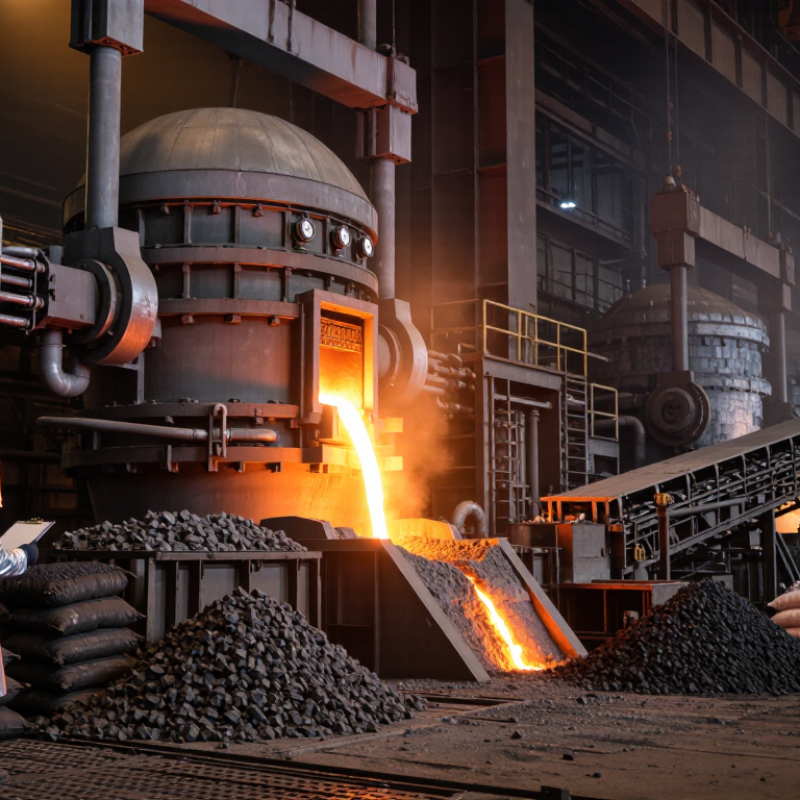
A Chrome Iron Furnace is used to produce chromium-bearing iron alloys, most commonly ferrochrome for steelmaking. In an electric submerged-arc furnace, chromite ore, carbon reductant, and fluxes are heated under controlled conditions. The charge settles through the furnace, where high temperatures help chromium combine with iron. Tapping leaves molten alloy and a separate slag phase.

The distinction matters. This is not merely a heater. Operators manage electrical power, burden composition, and slag chemistry to influence metal recovery and product quality. A small change in ore grade or carbon content can shift furnace performance. In practice, the glowing tap stream, dust, and refractory wear offer clues, but none tells the whole story. Measurements and consistent records matter.

Metallurgist Dr. Fathi Habashi is known for work in extractive metallurgy. The following line is an editorial paraphrase of general metallurgical principles, not a verified quotation: “Reliable metal production depends on controlling heat, chemistry, and feed together.” That framing helps explain the furnace’s role. It converts mineral feed into an alloy used in stainless and specialty steels. Some high-chromium iron production may use different furnace and foundry routes, so the term can describe more than one setup. That ambiguity deserves attention. Understanding the furnace means looking at its feed, process, and intended alloy—not just its name.
What Is a Chrome Iron Furnace Used For?

What a Chrome Iron Furnace Produces: Ferrochrome from Chromite Ore

What Is a Chrome Iron Furnace Used For?

A chrome iron furnace converts chromite ore into ferrochrome, an alloy used to add chromium to steel. In a submerged arc furnace, operators combine chromite with a carbon reductant and flux. Electric heat drives reduction, separating molten ferrochrome from a lighter slag. The alloy is tapped into molds or cast into solid pieces for later processing. That is the core job. Feed moisture and particle size can disrupt furnace stability, and their effects are easy to underestimate.

Ferrochrome matters because chromium helps steel resist corrosion and withstand demanding service. The U.S. Geological Survey’s Mineral Commodity Summaries 2024 estimated global chromite mine production at about 41 million metric tons in 2023. The report also identifies stainless steel and other alloys among chromium’s key uses. The figure describes mined chromite, not ferrochrome output; grades and processing losses vary. In practical terms, ore quality influences how much alloy a furnace can produce and how much energy it consumes.

Tips: Check ore chemistry, moisture, and sizing before charging. Keep reductant and flux additions under careful control. A small imbalance can change slag behavior, raise energy use, or leave more chromium in the waste stream. Furnace data helps, but it does not replace skilled observation.

Which Feedstocks Enter the Furnace: Chromite (FeCr₂O₄), Carbon, and Fluxes

A chrome iron furnace converts chromite ore into a chromium-rich iron alloy, commonly called ferrochrome. The main feed is chromite, FeCr₂O₄, supplied as sized lumps or prepared fines. Its chromium and iron oxides provide the metals to be recovered. Ore quality matters: chromium content, iron content, and gangue minerals all affect the furnace burden.

Carbon is the reducing agent. Coke or another suitable carbon material reacts with oxygen in the ore at high temperatures, helping release chromium and iron into molten alloy. Carbon size and reactivity influence how evenly the burden heats. Moisture is easy to underestimate. Wet feed can disturb charging and consume heat, so operators typically monitor it before use.

Fluxes help control the slag, which carries unwanted minerals away from the alloy. Quartzite may add silica, while limestone or dolomite can adjust slag chemistry when the ore’s gangue requires it. The right mix depends on the ore and the desired slag properties; there is no universal recipe. Too much flux increases the amount of material that must be heated, while too little can leave a viscous slag that separates poorly. Small feed changes can matter. The furnace burden is a balance, not just a list of ingredients.

How Submerged-Arc Smelting Works at About 1,700–1,800°C

A chrome iron furnace is a submerged-arc electric furnace used to make ferrochrome from chromite ore. Prepared ore, carbon-rich reductant, and flux are fed into the furnace. Large electrodes extend into the burden, where electrical energy creates intense heat. The arcs remain largely covered by the charge. Heat also travels through the hot burden, helping sustain the reduction reactions.

The hottest reaction zones can reach about 1,700–1,800°C, though temperature is not uniform throughout the furnace. Carbon removes oxygen from chromium and iron oxides, producing molten alloy and carbon monoxide. Gangue combines with flux to form slag. They separate by density, then are tapped through different outlets. The distinction matters: a reading near an electrode does not describe every point in the furnace.

Small changes in ore size, moisture, or carbon balance can affect how steadily the furnace operates. Operators monitor electrode movement, electrical load, gas flow, and tapping conditions. It is not a simple oven. Some process details remain hard to judge from temperature alone, and that is worth admitting. A stable-looking surface can hide uneven conditions below.

What Is a Chrome Iron Furnace Used For?

Submerged-arc furnaces produce ferrochrome by reducing chromite with carbon. Buried electrodes supply heat for the smelting reactions.

The 1,700–1,800°C band is an approximate smelting range; actual operating temperatures vary with the charge and furnace conditions. Pure-metal melting points are reference values, not ferrochrome alloy melting points.

What the Furnace Taps: High-Carbon Ferrochrome with 50–70% Chromium

A chrome iron furnace is commonly a submerged-arc furnace used to make ferrochrome from chromite ore. Its main tap is high-carbon ferrochrome, an iron-chromium alloy containing roughly 50–70% chromium. The exact grade varies with the ore, reducing materials, and operating conditions. Not quite a simple pour.

Inside the furnace, electric arcs and resistance heating create intense heat beneath a layer of raw materials. Carbon helps reduce chromium and iron oxides, while flux supports slag formation. At tapping, operators open a taphole and molten alloy flows into a ladle or casting bed. The bright metal is separated from the lighter slag, then cooled and broken into pieces for handling. Those pieces can be used in stainless and other alloy steels, where chromium supports corrosion resistance and hardness. Carbon matters, too: high-carbon ferrochrome suits particular steelmaking recipes, but it is not interchangeable with every chromium additive. A chemistry report tells more than the silvery surface ever can. Even the 50–70% range needs context; a furnace is controlled around a target, not a slogan.

What Is a Chrome Iron Furnace Used For? - What the Furnace Taps: High-Carbon Ferrochrome with 50–70% Chromium

Dimension Typical Information Why It Matters
Primary purpose To smelt chromite ore and produce ferrochrome, an iron–chromium alloy used in steelmaking. The furnace converts chromium in the ore into a form that can be added to molten steel.
Common furnace type Submerged-arc electric furnace, in which electrodes pass current through a burden of ore, reductant, and flux. Electrical energy and carbon-driven reduction enable high-temperature smelting.
Typical feed materials Chromite ore or concentrate, a carbon reductant such as coke, and fluxes such as quartzite or dolomite, depending on the process. Ore supplies chromium and iron; the reductant removes oxygen, while fluxes help manage slag composition.
Main tapped metal product High-carbon ferrochrome, typically containing about 50–70% chromium. This chromium-rich alloy is a practical source of chromium for steel production.
Other typical metal constituents Iron makes up much of the balance. High-carbon grades commonly contain roughly 6–8% carbon; silicon content varies by grade and process. Composition affects how the alloy behaves during handling and steelmaking and must match the buyer’s grade specification.
Other tapped material Slag, formed from gangue in the ore, fluxes, and other non-metallic materials. Metal and slag are tapped separately; slag is not the ferrochrome product.
Major end use Adding chromium to stainless steel, which commonly contains at least about 10.5% chromium by mass. Chromium helps stainless steel resist corrosion by supporting formation of a protective surface layer.
Other end uses Production of chromium-bearing alloy steels and other chromium-containing iron alloys. Chromium can contribute to properties such as hardenability, wear resistance, and oxidation resistance, depending on the alloy and heat treatment.

Composition ranges are typical rather than guaranteed; actual ferrochrome grades and furnace practice vary with the ore, process, and product specification.

Where Ferrochrome Is Used: Stainless Steel and Other Chromium Alloys

A chrome iron furnace is used to smelt chromium-bearing ore and produce ferrochrome, an alloy of iron and chromium. In many operations, a submerged electric arc heats chromite with carbon-rich materials. The molten alloy collects beneath a lighter slag layer. Operators take samples to check chromium and carbon levels before the material is cast or sent onward. Small composition changes matter.

Stainless steel is the main destination for ferrochrome. During steelmaking, it supplies chromium, which helps form a thin protective oxide film on the steel’s surface. That film slows rusting when the surface is exposed to air and moisture. Different stainless grades need different chromium and carbon levels, so ferrochrome is selected to suit the intended chemistry. It is an ingredient, not a finished protective coating.

Ferrochrome also goes into chromium-alloy steels used for tools, industrial parts, and equipment exposed to heat or wear. Some foundry alloys use it to improve hardness and durability. The exact benefit depends on the full alloy recipe and how the metal is processed. More chromium is not automatically better. Furnace conditions, ore quality, and carbon control can all affect the final material, and even careful production leaves room for variation.