How to Choose the Right PVC Compound for Your Needs?
Choosing the right PVC compound for your needs is crucial in various industries, including construction and manufacturing. According to a recent report by MarketsandMarkets, the global PVC market is expected to reach $70 billion by 2027, driven by its versatility and cost-effectiveness. Given the diversity of formulations available today, making an informed choice can significantly impact production efficiency and product quality.
Selecting the right PVC compound involves understanding different properties such as tensile strength, flexibility, and thermal resistance. A study from the Plastic Design Association highlights that improper selection can lead to increased failure rates in applications, costing industries millions. It's essential to consider your specific requirements, such as the intended application and environmental conditions. Proper research and knowledge are necessary since not all compounds will meet your standards.
While there is a vast array of options, it’s also important to acknowledge the potential trade-offs in terms of rigidity versus flexibility. Many manufacturers face challenges balancing these attributes. Therefore, collaborating with trusted suppliers and leveraging expert guidance is vital to ensure the best outcome. In the fast-evolving world of materials, those who question their choices will find innovative solutions.
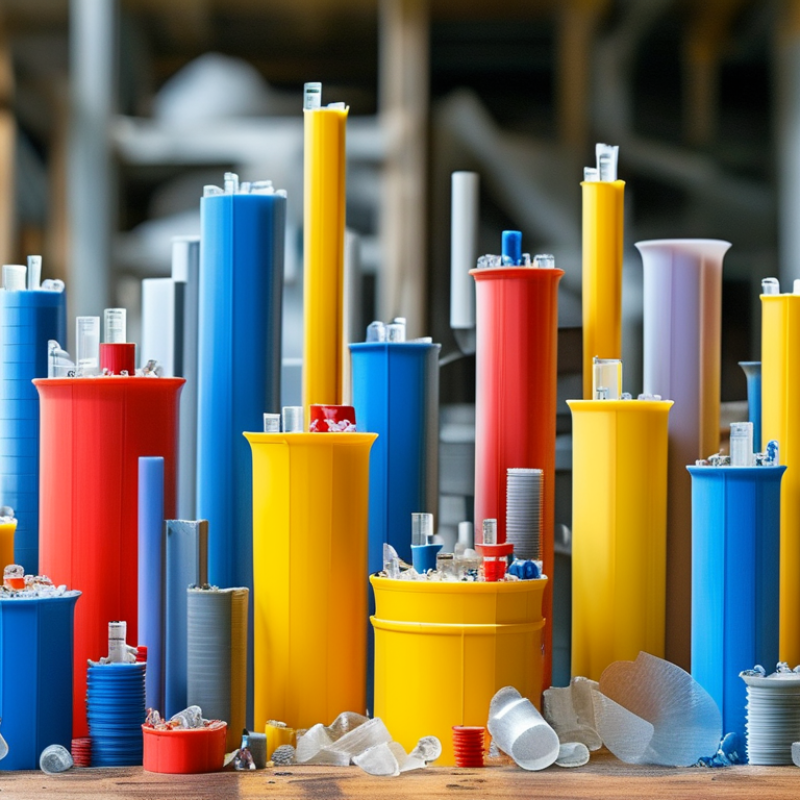
Understanding PVC Compounds: Types and Properties
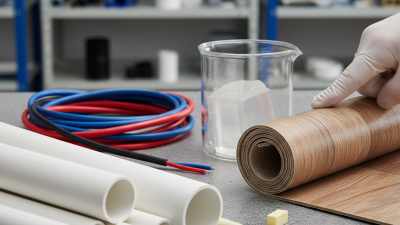
Understanding PVC compounds is essential for choosing the right material for specific applications. PVC, or polyvinyl chloride, comes in various types, each tailored for different uses. Rigid PVC is often used in construction, while flexible PVC finds its place in cable insulation and flooring. The differences lie in the additives and processing methods used, which affect their properties.
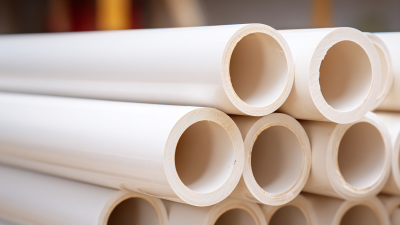
The mechanical properties of PVC compounds vary significantly. Rigid PVC offers high impact resistance and durability, making it a choice for pipes and profiles. Flexible PVC, on the other hand, is softer and more pliable, ideal for applications requiring flexibility. While these characteristics are advantageous, they also present challenges. For instance, too much flexibility can lead to wear over time. Understanding the balance between flexibility and durability requires a keen assessment of your needs.
When selecting PVC compounds, consider factors like temperature resistance and chemical exposure. Some PVC types may perform well in specific environments but fail in others. It's not always easy to pinpoint the ideal compound. Experimentation and testing can reveal unexpected results, allowing for adjustments. Ultimately, knowing the specific properties and types of PVC can significantly enhance decision-making in material selection.
Identifying Your Application: Factors to Consider
Choosing the right PVC compound depends heavily on your specific application. Different factors can influence this decision significantly. Start by considering the environment where the material will be used. Is it exposed to extreme temperatures or outdoor elements? Understanding these conditions can help narrow your options.
Next, the mechanical properties required for your project should be evaluated. Will the compound be under stress or strain? If so, tensile strength and flexibility are crucial. Some formulations are better suited for high-stress applications, while others offer greater durability. Additionally, think about aesthetic requirements. If color and surface finish matter, certain compounds may be more appropriate than others.
Another factor is the processing method you plan to use. Different compounds behave uniquely when heated or molded. Some might require precise temperature controls, while others are more forgiving. Experimentation might be necessary to determine the best fit. Don't hesitate to question initial choices and seek advice from experts. Understanding these factors thoroughly can lead to a more informed decision.
Choosing the Right PVC Compound for Your Needs
In this chart, we analyze the properties of different PVC compounds considering various applications. The factors considered include Flexibility, Durability, Chemical Resistance, and UV Stability. Each factor is rated from 1 to 10 based on its importance for specific applications.
Assessing Performance Requirements: Strength, Flexibility, and Durability
When selecting a PVC compound, performance requirements vary significantly based on the application. Strength is a critical factor for projects needing structural integrity. A compound that withstands tension and pressure is essential for load-bearing structures. Engineers often recommend testing the tensile strength under specific conditions. This ensures the material meets the demands of the intended use, but results can surprise you sometimes.
Next, flexibility plays a vital role in applications requiring bending or twisting. Rigid compounds may not suit projects that need mobility. Finding the right balance between strength and flexibility is often a challenge. Some may overlook the need for both qualities, leading to structural failures. It's crucial to evaluate the application's movement requirements.
Durability is another performance aspect that shouldn't be ignored. Outdoor applications need compounds that resist UV light and temperature fluctuations. However, some materials may degrade faster than expected. Analyzing long-term performance through simulations can yield valuable insights. Yet, these predictions may not always align with real-world scenarios, prompting further exploration. Understanding these aspects is fundamental for making informed choices about PVC compounds.
Analyzing Environmental Impact: Sustainability and Regulations
When selecting a PVC compound, environmental impact is a key factor. Sustainable PVC options are increasingly crucial. They address climate change and resource depletion. Understanding the regulations surrounding PVC can help you make informed choices. Compliance with these regulations is not just a recommendation; it’s often required by law.
One important consideration is the lifecycle of the material. Evaluate how the compound is produced and its end-of-life impact. Some compounds are designed for recycling, which can reduce waste. However, not all PVC products offer this feature. Researching different compounds can reveal more sustainable choices.
Tips for choosing eco-friendly PVC include examining certifications and environmental standards. Look for materials with low emissions during production. Review the recyclability of the compound. Engaging with manufacturers about their practices can also provide insights. This approach not only supports sustainability but also enhances your product’s marketability. Remember, small changes can lead to significant benefits for the environment.
How to Choose the Right PVC Compound for Your Needs? - Analyzing Environmental Impact: Sustainability and Regulations
| PVC Compound Type |
Key Features |
Environmental Impact |
Regulatory Compliance |
| General Purpose PVC |
Versatile, cost-effective |
Low impact if recycled |
Meets most standards |
| Reinforced PVC |
High tensile strength |
Moderate impact |
Compliant with construction codes |
| Eco-Friendly PVC |
Biodegradable additives |
Low environmental impact |
Follows green certifications |
| Flexible PVC |
Soft and pliable |
Leads to higher waste |
Complies with safety regulations |
Consulting with Suppliers: Questions to Ask and Compare Options
When selecting the right PVC compound, consulting with suppliers is crucial. It’s essential to ask the right questions to make an informed choice. Begin by inquiring about the compound's properties. For instance, inquire about tensile strength and impact resistance, which are vital for durability in various applications. According to a recent industry report, 68% of failures in the use of PVC materials arise from improper selection based on application needs.
Understanding the manufacturing process is also important. Ask suppliers about their production techniques and quality control measures. A transparent supplier should provide insights into their testing protocols. Notably, 75% of high-quality PVC compounds undergo rigorous testing for thermal stability and chemical resistance. Suppliers should also explain how their products meet industry standards, such as ASTM and ISO certifications.
Pricing is another critical factor. Compare costs but do not sacrifice quality for a lower price. Request sample testing to better evaluate performance. Remember that inadequate testing can lead to costly failures over time. Many engineers report that choosing the wrong PVC compound based solely on cost resulted in long-term project delays, affecting overall profitability. Being diligent in supplier discussions can prevent such pitfalls.