Your Compounder of Choice

Mon - Fri: 8:00 - 16:30 | Sat & Sun: Closed

How to Choose the Right Plastic Piping for Your Needs?

Choosing the right plastic piping is essential for various plumbing and construction projects. The type of piping you select can affect durability, cost, and efficiency. There are several materials available: PVC, CPVC, and PEX. Each type has its unique properties and applications. Knowing these differences can help guide your decision-making process.

When considering plastic piping, think about the specific needs of your project. For instance, will the pipes be exposed to high temperatures or chemicals? The environment plays a crucial role in this selection. Quality matters too. Not all plastic piping is created equal. Some may have lower standards, which could lead to future issues.

Take the time to research manufacturers and their products. Look for certifications that indicate reliability and performance. It’s also beneficial to seek advice from plumbing experts. Their experience can illuminate nuances you might not have considered. Remember, the cheapest option may not always be the best in the long run. Balancing cost with quality is vital for a successful project.
How to Choose the Right Plastic Piping for Your Needs?

Understanding Different Types of Plastic Pipes: An Overview

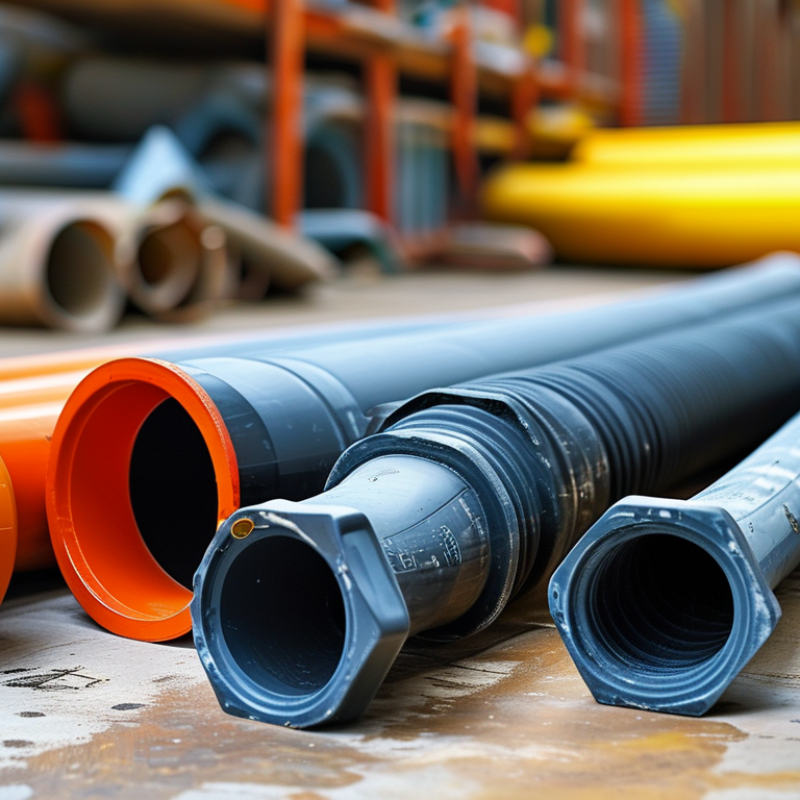
When selecting plastic pipes, understanding the different types available is crucial. Each type of plastic piping has specific properties and applications. For example, Polyvinyl Chloride (PVC) pipes are commonly used for drainage and sewage. They offer a lightweight and cost-effective solution. However, they may not withstand high temperatures.

Another popular option is Chlorinated Polyvinyl Chloride (CPVC). CPVC pipes can handle hot water and are often found in industrial settings. They offer more temperature resistance than standard PVC. On the other hand, Polyethylene (PE) pipes are flexible and durable, making them ideal for underground applications. They resist corrosion, yet they may require careful handling during installation to avoid kinks.

It’s essential to consider factors like pressure ratings, temperature range, and intended use. Mistakes in choosing the right type can lead to costly repairs or failures. While local building codes can guide choices, personal research is equally important. Understanding these elements can lead to more informed decisions and better project outcomes.

Key Factors to Consider When Selecting Plastic Piping Materials

When selecting plastic piping, several key factors come into play. First, consider the intended application. Different environments demand various material properties. For instance, pipes for cold water systems require materials that withstand lower temperatures without brittleness. On the other hand, pipes for hot water systems need to endure higher temperatures without deforming.

Another important aspect is chemical resistance. Many industries involve corrosive substances. Choosing the right pipe can prevent degradation over time. Polyethylene (PE) and polyvinyl chloride (PVC) are popular choices due to their robust chemical resistance. However, not all plastics handle the same chemicals effectively, so always check compatibility before making a decision.

Dimension is crucial as well. The diameter and wall thickness impact flow rate and pressure. Underestimating these factors can lead to inefficient systems. Additionally, consider installation ease and long-term durability. A poorly chosen pipe could lead to leaks or costly repairs. Reflecting on these aspects ensures reliable performance in diverse applications.

How to Choose the Right Plastic Piping for Your Needs? - Key Factors to Consider When Selecting Plastic Piping Materials

Factor Description Material Options Applications
Temperature Resistance Ability to withstand heat without deforming. PVC, CPVC, PEX Hot water systems, heating applications
Chemical Resistance Resistance to corrosion and degradation from chemicals. PP, PVDF, PVC Chemical processing, wastewater treatment
Pressure Rating Maximum pressure the piping can safely handle. PVC, HDPE Water supply, irrigation
Flexibility Ability to bend without breaking. PEX, PVC Residential plumbing, irrigation systems
Cost Initial price and long-term maintenance costs. PVC, PE General plumbing, cost-sensitive projects
Ease of Installation Simplicity of joining and installing piping. PVC, PEX DIY projects, quick installations

Comparative Analysis of Pipe Performance: PVC, CPVC, and PEX

When selecting the right plastic piping, understanding pipe performance is essential. PVC, CPVC, and PEX are three common types, each with distinct characteristics.

PVC is cost-effective and widely used for drainage. It's not suitable for hot water applications, though. CPVC, on the other hand, can handle higher temperatures, making it ideal for hot water systems. However, it is more expensive than PVC.

PEX offers flexibility and ease of installation. It resists scale and chlorine, which enhances its longevity. Some concerns have emerged regarding its chemical leaching, which makes some homeowners hesitant. It's crucial to consider installation environments as well.

Each pipe type has strengths and weaknesses. While PVC is durable, it may not hold up well in extreme temperatures. CPVC excels in hot environments but can be brittle. PEX simplifies plumbing tasks, yet its safety remains debated. These details should guide your choice based on specific needs and local regulations.

Regulatory Standards and Certifications for Plastic Piping Systems

When selecting plastic piping, understanding regulatory standards is crucial. Various guidelines ensure safety and effectiveness. Different applications demand compliance with specific regulations. Knowledge of these standards can prevent costly mistakes later. Familiarizing yourself with codes relevant to your project is essential.

Certifications for plastic piping systems vary by region. In the United States, for example, the ASTM and NSF mark can help verify quality. Internationally, ISO certifications provide assurance of compliance with global standards. Each certifying body has its criteria, which can influence your choice. It’s vital to know these details to ensure proper installation and longevity.

Ignoring regulatory requirements can lead to safety hazards. In some cases, non-compliance results in fines or project delays. It is essential to review documents thoroughly. Engage with professionals who understand local codes. Their expertise can clarify complex regulations and reduce risks. Trusting their guidance can lead to more informed decisions in your piping selection.

Plastic Piping Compliance by Regulatory Standards

This chart illustrates the compliance rates of various regulatory standards for plastic piping systems. The data reflects the percentage of compliance across different standards, highlighting the importance of adhering to regulations for ensuring quality and safety in plastic piping solutions.

Cost-Effectiveness and Longevity: Evaluating Your Options

When evaluating plastic piping, cost-effectiveness and longevity are crucial factors. Understanding the materials can help you make informed decisions. PVC, for instance, is popular due to its low cost and ease of installation. However, it may not last as long under extreme conditions. On the other hand, CPVC offers higher temperature resistance but can be pricier.

Choosing the right piping requires some thought. Think about your project’s specific needs. Will the pipes be exposed to harsh weather? If so, durability is critical. Remember, the initial savings may come at the expense of long-term performance. It’s an essential balance to strike.

Be open to different materials. Each type has its pros and cons. For instance, while polyethylene is flexible and resistant to corrosion, it might not handle heavy loads well. Evaluate your situation carefully. Reflect on potential pitfalls. Investing in quality piping can save money and time in the long run. Consider consulting a professional for guidance.