How to Choose the Right Cylindrical Gearbox for Your Needs?
Choosing the right Cylindrical Gearbox is crucial for efficiency in mechanical systems. According to a report by MarketsandMarkets, the cylindrical gearbox market is anticipated to grow from $4.4 billion in 2020 to $6.2 billion by 2025, showcasing significant demand. Such gearboxes are essential in various applications, including automotive and industrial machinery.
The decision process involves evaluating specifications, torque requirements, and efficiency ratings. A poorly chosen gearbox can lead to performance issues or increased maintenance. For example, a misalignment in specifications can reduce the lifespan of both the gearbox and connected components.
Industry experts emphasize the importance of understanding gear ratios and load capacities. These factors directly impact the gearbox's performance. As variability in manufacturing continues to challenge standard practices, an informed choice can mitigate operational risks. This detailed consideration ensures a suitable cylindrical gearbox is selected for optimal performance and longevity.
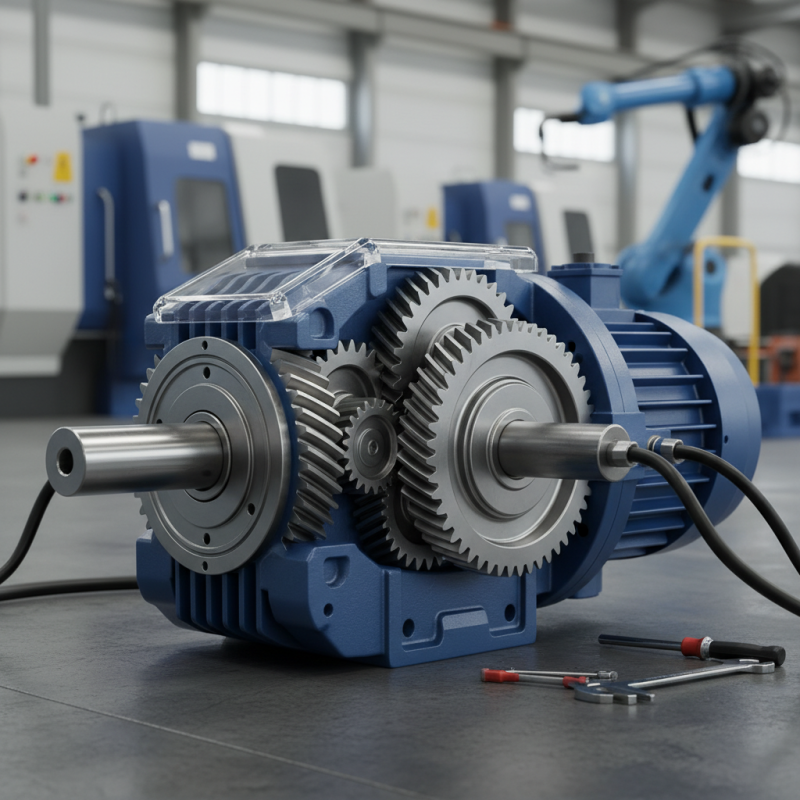
Understanding Cylindrical Gearbox Types and Their Applications
Cylindrical gearboxes play a crucial role in various mechanical applications. Understanding the types available is vital. The most common types include helical, spur, and bevel gearboxes. Each type has unique characteristics that affect performance, efficiency, and application. For example, helical gears are known for their quiet operation and efficiency. They excel in applications where noise reduction is essential.
Spur gears, on the other hand, are simpler and more straightforward. They are often chosen for their ease of manufacturing and lower cost. However, they generate more noise and cannot handle as high loads. Bevel gears are useful for changing direction in power transmission. They are commonly found in automotive applications.
When selecting a gearbox, consider the specific needs of your project. Overloading a gearbox beyond its capacity can lead to failures. Incorrect gear types can also cause inefficiency. You might need to rethink your choices based on the application. Different materials and sizes can impact durability and performance significantly. A detailed assessment will ensure you choose the right type.
Key Factors to Consider When Selecting a Cylindrical Gearbox
Selecting a cylindrical gearbox requires careful consideration of several factors. One must evaluate the torque and power requirements of the specific application. These parameters must match the gearbox specifications to ensure efficiency. Overestimating needs can lead to oversized, inefficient gearboxes. Conversely, underestimating can cause failures due to overload.
Another key aspect is the gear ratio. This determines the speed and torque output. It’s essential to align the gear ratio with the operational demands. Small adjustments can significantly impact performance and lifespan. Failing to account for environmental factors, such as temperature or exposure to contaminants, can also compromise the gearbox’s functionality.
Tips: Check the material quality. High-grade materials ensure durability and reduce wear. Regular maintenance is crucial. It can extend the gearbox's lifespan and maintain efficiency. Lastly, consult with industry professionals for insights specific to your application. Their expertise can illuminate potential pitfalls that one might overlook.
Specifications and Technical Data for Cylindrical Gearboxes
Choosing the right cylindrical gearbox involves understanding key specifications and technical data. Start with the input and output speed requirements. The ratio of these speeds is crucial for determining efficiency. A mismatched speed can lead to overheating or inadequate performance.
Torque capacity is another critical aspect. It defines the maximum load the gearbox can handle. If the torque rating is exceeded, gear damage may occur. Pay attention to the dimensions as well. Size affects integration into your existing systems. An improperly sized gearbox might not fit or operate effectively.
Materials and construction should not be overlooked. High-quality materials enhance durability and performance, but they often come at a higher cost. Consider environmental factors too. Corrosive environments may require special coatings or sealants. Reflection on these elements helps ensure the chosen gearbox meets your requirements without compromising reliability.
Common Industries Using Cylindrical Gearboxes and Their Requirements
Cylindrical gearboxes play a crucial role in various industries, from manufacturing to automotive. In the manufacturing sector, for instance, gearboxes facilitate the precise movement of machinery. A study by the International Gearbox Association (IGA) indicates that over 40% of industrial machinery uses cylindrical gearboxes. These devices offer high load capacities and efficiency, essential for production lines.
The automotive industry has specific demands as well. Gearboxes here must endure varying loads and speeds. A report from the Automotive Transmission Research Group (ATRG) reveals that around 25% of vehicle performance relies on gearbox efficiency. This drives manufacturers to seek gearboxes that minimize energy loss and enhance performance. Additionally, gearboxes are vital in renewable energy sectors, like wind turbines. Optimizing efficiency can significantly increase output and sustainability.
When choosing a gearbox, one must consider the operating environment. High temperatures or extreme conditions require robust designs. Some industries prioritize noise reduction, making quiet operation a key factor. Seeking expert guidance is often beneficial. Yet, not all manufacturers provide accurate specifications. It's crucial to vet suppliers and ensure transparency in their offerings.
How to Choose the Right Cylindrical Gearbox for Your Needs?
| Industry | Application | Load Requirements | Torque Range (Nm) | Speed Range (RPM) |
| Automotive | Transmission Systems | High Load | 100 - 500 | 1000 - 5000 |
| Manufacturing | Conveyor Systems | Medium Load | 50 - 300 | 500 - 2000 |
| Food Processing | Mixing Equipment | Low Load | 20 - 100 | 100 - 1500 |
| Construction | Crushing Equipment | Very High Load | 500 - 1000 | 200 - 800 |
| Aerospace | Actuation Systems | Critical Load | 10 - 200 | 1000 - 4000 |
Maintaining Performance and Longevity of Cylindrical Gearboxes
Cylindrical gearboxes are crucial for many industrial applications. Their performance and longevity depend significantly on proper maintenance. According to a report from the International Gearbox Manufacturers Association, gearboxes require regular lubrication to function optimally. Inadequate lubrication can lead to overheating and premature wear.
Routine inspections are also vital. Check for signs of wear or misalignment. Studies show that over 40% of gearbox failures are due to these issues. Identifying problems early can save money on repairs. Regular vibration analysis and temperature monitoring are recommended best practices in the industry.
The environment plays a role in lifespan. Dust, moisture, and temperature extremes can affect performance. A report by the American Society of Mechanical Engineers highlights that environments with excessive contamination can reduce gear life by up to 60%. Consider using seals and filters to protect your gearbox. Neglecting these factors can lead to costly downtime and unexpected failure.