

Your Compounder of Choice

Mon - Fri: 8:00 - 16:30 | Sat & Sun: Closed

What Is the Best Cement Unloader in 2026?

Choosing the best Cement Unloader in 2026 is less about finding one universally superior machine and more about matching equipment to the terminal. Vessel size, cement type, berth layout, and required unloading rate all shape the decision. A system that performs well at a large coastal port may be oversized or impractical at a smaller facility.

The scale of the industry makes efficiency consequential. The U.S. Geological Survey’s Mineral Commodity Summaries 2024 estimates global cement production at about 4.1 billion tonnes in 2023. The International Energy Agency’s 2023 cement-sector report notes that cement production contributes roughly 7% of global CO2 emissions. These figures do not measure unloader performance directly, but they underline why operators assess energy use, dust control, and material losses alongside tonnes per hour. Small details matter: a poorly sealed transfer point can leave powder on the berth, while a mismatched conveying system can limit the whole unloading line.

There is no single winner. A fair comparison should examine rated and verified throughput, power consumption, dust extraction, maintenance access, and compatibility with existing conveyors. Ask suppliers how performance changes with the actual cement and vessel conditions, not just ideal test assumptions. This guide compares common unloader types and practical selection criteria, while recognizing that published specifications do not always predict real-world results perfectly. That uncertainty deserves attention.
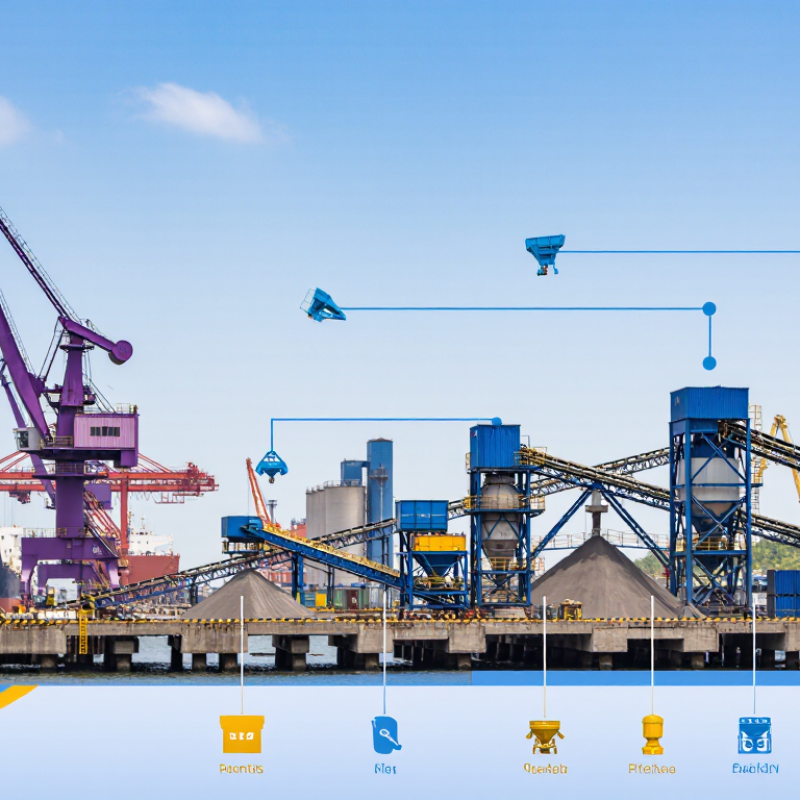
What Is the Best Cement Unloader in 2026?

What a Cement Unloader Does and Where It Is Used

A cement unloader transfers bulk cement from a delivery truck or vessel into storage, usually a sealed silo. At road-based sites, compressed air moves the powder through a flexible hose and pipeline. Larger terminals may use pneumatic or mechanical systems, depending on site layout and cargo volume. At the silo inlet, filters release displaced air while capturing fine dust. Dust matters.

Cement unloaders are used at concrete batching plants, precast yards, construction projects, ports, and distribution depots. They keep cement moving from delivery vehicles into storage, ready for production. A practical setup needs compatible connections, adequate conveying capacity, and a route with manageable bends. Operators should check hoses, pressure readings, filter condition, and silo levels before transfer. Small leaks can waste material and create a difficult cleanup.

The best unloader is not simply the fastest. It should suit delivery volume, transfer distance, site access, and available maintenance skills. A compact site may need portable equipment, while a busy terminal may require a dedicated system. That sounds simple. In practice, moisture can cause cement to bridge in a silo or clog a line, so sealed handling and close monitoring matter. Site conditions vary, and even a well-matched system needs careful operation.

The Main Types of Cement Unloaders and How They Work

What Is the Best Cement Unloader in 2026?
The Main Types of Cement Unloaders and How They Work

Cement unloaders generally use pneumatic or mechanical systems. A pneumatic unloader moves powder through sealed pipes using airflow. At a terminal, suction draws cement from a ship’s hold, while filters catch dust before air exits. Tanker trucks use compressed air to push fluidized cement through a hose into a storage silo. The process is enclosed, but filters and hoses need regular inspection.

Mechanical unloaders move cement with rotating screws or enclosed conveyors. A screw feeder pulls material from a hold or hopper and carries it toward a discharge point. These systems can suit steady, high-volume work, though abrasive powder gradually wears contact surfaces. Watch the transfer path. A sharp bend or poorly matched conveyor can slow flow and create buildup. There is no perfect choice; site layout, unloading rate, and maintenance capacity matter as much as equipment type.

Tips: Check cement temperature, moisture exposure, and the distance to the silo before choosing a system. Ask operators to inspect seals, filters, and screw flights during routine checks. Dust matters. A system that looks efficient on paper may prove awkward to clean in a cramped loading area.

What Is the Best Cement Unloader in 2026? — Main Types of Cement Unloaders and How They Work
Unloader Type Typical Application How It Works Main Advantages Key Considerations Best Fit
Pneumatic ship unloader Transferring cement from bulk carriers to shore-based storage or conveying systems. A vacuum pickup draws cement and air through a suction nozzle and pipeline. A separator and filter collect the cement; rotary airlocks or a pressure-conveying stage then move it onward. Enclosed material transfer; can reach cargo in different parts of a ship’s hold; useful where dust control and flexible positioning matter. Air filtration, wear in bends and pipelines, power demand, and careful control of conveying air are important. Performance depends on material condition, pipe layout, and unloading distance. Ports handling cement where flexible reach and enclosed unloading are priorities.
Mechanical continuous ship unloader High-volume unloading of bulk cement from ships at a fixed or dedicated berth. A boom or vertical intake uses screw conveyors, buckets, or a chain-and-bucket arrangement to lift cement from the hold. Enclosed conveyors then carry it to a shore transfer point. Continuous mechanical transfer can suit sustained, high-throughput operations and avoids relying on long pneumatic conveying lines for the main transfer. Large equipment needs suitable berth infrastructure and ship access. Moving parts require inspection, and the intake arrangement must suit the cargo hold and material flow. Regular port operations with high unloading demand and compatible berth infrastructure.
Pneumatic road-tanker unloading system Unloading bulk cement from road tankers into silos at plants, terminals, or construction sites. Compressed air, commonly supplied by equipment on the tanker, aerates and conveys cement through a flexible hose into a receiving silo. The silo’s dust filter allows displaced air to escape while retaining dust. Enclosed transfer through a hose; widely suited to silo deliveries; requires relatively little fixed unloading equipment at the receiving point. The receiving silo needs adequate capacity, a suitable inlet, and a correctly sized, maintained filter. Hose routing, conveying pressure, and delivery procedures must follow equipment requirements. Sites receiving cement by bulk road tanker, especially where deliveries use standard silo connections.
Silo aeration and gravity discharge system Discharging cement from the base of a storage silo into a downstream conveyor, mixer, or process line. Low-pressure air passes through aeration pads or channels near the silo outlet, helping cement flow toward a discharge opening. A gate or feeder controls the material leaving the silo. Simple arrangement with few moving parts inside the silo; can help reduce stagnant material around a properly designed outlet. It is a storage-discharge system, not a ship or truck unloader. Air supply, silo geometry, outlet design, and material condition affect flow; aeration does not correct every bridging or blockage problem. Controlled discharge from a compatible cement silo into a downstream process.
Silo screw-feeder discharge system Metered extraction of cement from a silo or hopper to a conveyor or process equipment. A rotating screw beneath the outlet conveys cement at a rate influenced by screw size, speed, and feed conditions. A screw may be paired with aeration or a flow-control device at the outlet. Provides controlled, mechanically driven extraction and can integrate with automated batching or conveying systems. Capacity and feed consistency depend on screw design and cement flow. Abrasion, buildup, and maintenance access should be considered; the screw must be matched to the outlet and downstream system. Applications that need controlled silo discharge rather than ship or vehicle unloading.

How to choose: There is no single best cement unloader for every operation. Select by transfer point, required throughput, conveying distance, available infrastructure, dust-control provisions, and maintenance capability. Confirm final equipment sizing with the system designer and the applicable operating requirements.

Key Criteria for Choosing a Cement Unloader in 2026

What Is the Best Cement Unloader in 2026?
Key Criteria for Choosing a Cement Unloader in 2026

The best cement unloader is the one that matches your material, vessel, and required discharge rate. Start with cement type, moisture level, bulk density, and expected flow behavior. Then compare rated capacity with the rate you need at the actual discharge point. A catalog figure alone can mislead. Check inlet dimensions, conveying distance, air demand, and available power. The International Energy Agency reports that cement production accounts for about 7% of global CO₂ emissions. That figure concerns production, not unloading, but it reinforces the value of checking energy use across plant operations.

Tips: Ask for a duty-specific capacity estimate. Confirm what assumptions it uses. Request a site trial when flow conditions are uncertain.

Inspect dust sealing, wear surfaces, and access for routine cleaning before choosing a unit. Look for clear procedures for clearing blockages and replacing worn parts. A compact machine may save floor space yet restrict access for maintenance. That trade-off is easy to underestimate. Compare expected downtime and service needs, not just purchase price. Ask suppliers to document noise, dust-control provisions, and performance under your operating conditions. Small details matter: a poorly placed discharge point can leave cement buildup around supports and complicate cleanup.

What Is the Best Cement Unloader in 2026? Key Criteria for Choosing

There is no single best cement unloader for every operation. Match the equipment to the required throughput and cement handling conditions, and assess dust control, reliability, maintenance access, energy use, and installation space. Scores are qualitative selection priorities, not measured product performance.

Which Cement Unloader Best Fits Each Operation

The best cement unloader depends less on headline capacity than on the route from vessel, railcar, or truck to storage. A small ready-mix yard may need a compact pneumatic system; a high-volume terminal may justify a continuous mechanical ship unloader. Different jobs. The USGS Mineral Commodity Summaries 2025 estimates 2024 global cement production at about 4.2 billion metric tons, reflecting the wide range of logistics operations this equipment must serve.

For pneumatic unloading, check conveying distance, pressure, hose wear, and discharge rate against actual silo intake. Watch the final minutes. An undersized vent filter can turn a fast transfer into dust, pressure alarms, and waiting trucks. For ship or rail operations, assess peak hourly demand, available footprint, maintenance access, and frequent start-stop cycles. The US EPA’s AP-42 Portland Cement Manufacturing chapter discusses particulate emissions from process and material-handling operations, making enclosure and dust extraction important design checks.

Ask for performance data using your cement type, moisture range, transfer distance, and receiver setup. Compare tonnes per hour with energy use, wear parts, cleanup labor, and uptime—not rated capacity alone. A practical site trial matters. Even sound calculations can miss awkward hose bends, sticky residue, or a filter that loads faster than expected. Record those surprises; a lower nominal rate may serve better if it keeps the process steady.

Installation, Safety, and Maintenance Requirements

A cement unloader is only a good choice if it fits the site. Check the silo outlet, vehicle access, unloading rate, and available power before installation. Measure clearances around pipes and service panels. A few centimetres can matter when a coupling must be replaced. The supporting structure should suit the equipment’s load and vibration; confirm requirements with the supplier or a qualified engineer. Do not guess.

Plan for safe access, too. Workers need stable platforms, clear walkways, and lighting around connection points. Before maintenance, isolate and verify all relevant energy sources, including electrical and pneumatic supplies. Keep guards in place during operation.

Cement dust can irritate eyes and lungs, so use suitable protective equipment and dust controls specified for the task. Small leaks count.

Maintenance should follow the equipment manual and site conditions. Inspect hoses, seals, clamps, filters, and wear points for damage or buildup. Record checks and repairs, even when nothing seems wrong. A checklist can still miss an unusual vibration or a new noise; stop and investigate rather than assuming it is harmless. Cleaning methods also matter: compressed air may spread dust, so use an approved approach and suitable extraction. Have trained personnel handle repairs, and keep replacement parts compatible with the installed system.