How to Choose the Best PVC Flexible Tubing for Your Projects?
Choosing the right PVC flexible tubing can be a challenging task. Experts like John Smith, a PVC flexible materials specialist, emphasize the importance of this choice. He once said, "Selecting the proper flexible tubing can make or break your project."
When working with PVC flexible options, consider the specific requirements of your project. Factors such as diameter, flexibility, and chemical resistance are key. Too often, people overlook these details and end up dissatisfied. Each project has unique demands that must be met for success.
Moreover, it’s easy to become overwhelmed by the various types available. Many users rush their decisions, leading to wrong choices. This can result in wasted time and resources. Taking the necessary time to understand your project needs is crucial. A reflective approach will guide you to the best PVC flexible tubing for your requirements.
Understanding the Basics of PVC Flexible Tubing and Its Applications
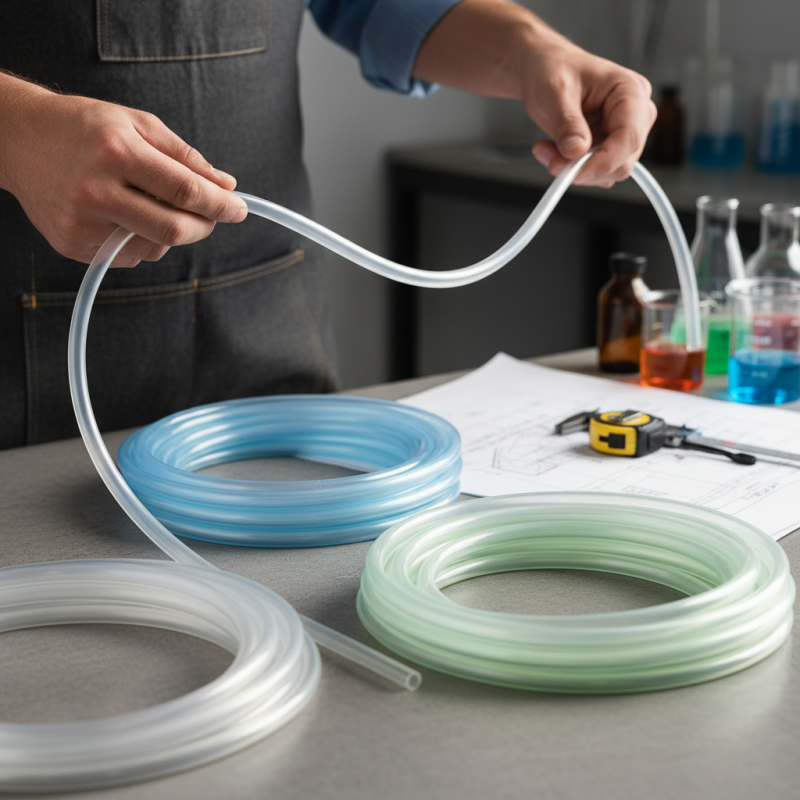
PVC flexible tubing is a versatile material used in various applications. It is prized for its durability and flexibility. This type of tubing can withstand different temperatures, making it ideal for both indoor and outdoor uses. In plumbing, it is often used to transport water. Gardeners often utilize it for irrigation systems, as it can bend easily around obstacles.
Understanding the properties of PVC is crucial. It comes in different thicknesses and sizes. Thicker tubing can handle higher pressures, but it may be stiffer. If you choose too thin a material, it might not hold up over time. This can lead to leaks or bursts, which are frustrating and costly. Test a small piece to see how it fits into your project.
Different colors of PVC tubing may indicate specific uses. For instance, clear tubes allow visibility of fluids. However, not all projects require transparency. Consider the functionality over aesthetics. Many users overlook proper fittings, which can compromise the entire setup. Careful planning is essential. Evaluating both your project needs and the characteristics of the tubing will lead to better choices.
Key Properties of PVC Flexible Tubing: Durability, Flexibility, and Resistance
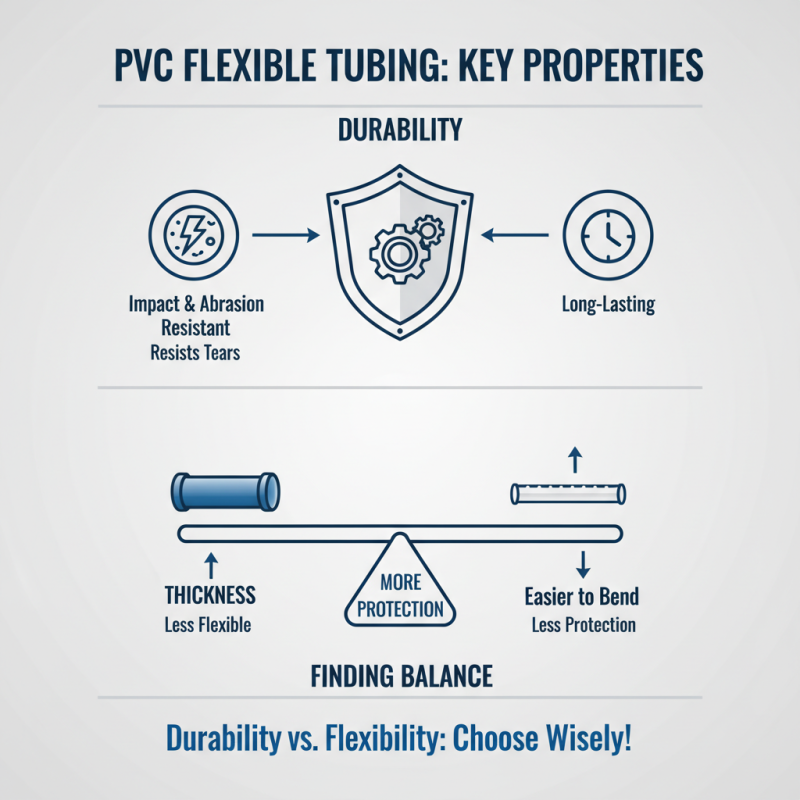
When selecting PVC flexible tubing, understanding key properties is crucial. Durability stands out. This tubing can withstand impacts and abrasions. It resists tears, ensuring longevity in various projects. However, some may overlook how thickness affects durability. Thicker tubing offers more protection, but might also hinder flexibility. Striking a balance is essential.
Flexibility is another important aspect. PVC flexible tubing is known for its bendability. It can twist and turn around tight corners. This flexibility makes it ideal for diverse applications. Yet, excessive bending can lead to kinks or breaks. Users must consider the intended use carefully. A slight miscalculation can be costly.
Resistance to various elements is key. Different formulations of PVC can withstand chemicals, UV rays, and moisture. This property is vital for outdoor use. Not all tubing is created equal. Some might claim to offer more resistance, yet fail under pressure. Researching the specific needs of your project can prevent disappointment.
Assessing the Chemical Compatibility of PVC Tubing for Specific Uses
When considering PVC flexible tubing for your projects, it’s crucial to assess the chemical compatibility. PVC is versatile, but it’s not a one-size-fits-all solution. Certain chemicals can react with PVC, causing degradation. Imagine using PVC tubing for a project involving solvents. The tubing may not withstand harsh conditions.
Different applications require different chemical resistance levels. For example, automotive fluids can wreak havoc on standard PVC. Always consult compatibility charts. They help in identifying which chemicals your tubing can handle. If unsure, conducting a small test before full-scale use can be revealing. Sometimes, what seems suitable in theory fails in practice.
Moreover, environmental factors play a role. UV exposure can weaken the tubing, especially when used outdoors. Also, temperature fluctuations can affect flexibility. Relying solely on general guidelines may lead to issues. Make sure to reflect on the specific needs of your project to avoid costly mistakes. Choose wisely, and consider the long-term implications of your material selections.
How to Choose the Best PVC Flexible Tubing for Your Projects? - Assessing the Chemical Compatibility of PVC Tubing for Specific Uses
| Application |
Chemical Compatibility |
Temperature Range (°C) |
Pressure Rating (psi) |
Recommended Size (inches) |
| Food and Beverage |
Good with water, weak acids |
-10°C to 60°C |
150 |
1/4 - 1 |
| Chemical Processing |
Resistant to many solvents |
-20°C to 80°C |
200 |
3/8 - 2 |
| Automotive |
Not suitable for petroleum products |
-30°C to 100°C |
100 |
1/4 - 1 |
| HVAC Systems |
Good with air and non-corrosive gases |
-10°C to 50°C |
150 |
1 - 4 |
Evaluating the Sizing and Length Requirements for Effective Installation
Choosing the right size and length of PVC flexible tubing is crucial for your projects. A common mistake is underestimating how much tubing is needed. Measure the distance carefully from the start to the end of your application. A few inches can make a difference. Being precise saves time and reduces waste.
Consider the diameter of the tubing as well. The wrong diameter can impact flow rates and pressure. Larger tubes carry more but might not fit in tight spaces. Conversely, smaller tubes may restrict flow. Ensure your measurements align with the specifications of your fittings and connections.
It’s common to underestimate the length needed. Planning for bends and turns is essential. Tubing will stretch and may require extra length. Reflect on your initial calculations. Were they too conservative or overly ambitious? Paying attention to details helps avoid issues during installation. Incorrect sizing often leads to frustration and additional work. Inspect all measurements before committing to your choice.
Industry Standards and Certifications for Quality PVC Flexible Tubing
When selecting PVC flexible tubing, industry standards and certifications play a crucial role. These factors ensure that the tubing meets quality and safety benchmarks. Look for certifications like ASTM or ISO that indicate reliability. These standards dictate aspects such as chemical resistance, temperature range, and flexibility. Products that comply with these specifications are more trustworthy for various applications.
Understanding compliance will help guide your choice. Not every tubing is equal, and it’s essential to scrutinize the details. Some may not perform well under certain conditions, leading to leaks or failures. If you're working on a project, ensure the tubing is rated for your specific needs. It’s about finding the right balance between cost and quality.
Be aware, however, that even certified products aren’t perfect. Manufacturing variations can affect performance. Regularly review the specifications and seek feedback from users. This habit fosters better decision-making for future projects. You might find that what worked last time isn’t suitable again. Always stay updated on new developments in PVC tubing standards.
Comparison of PVC Flexible Tubing by Key Properties