How to Choose the Best Indoor Playground Equipment for Kids?
Choosing the right Indoor Playground Equipment is crucial for children's development. According to a report by the International Playground Equipment Manufacturers Association, proper play structures can enhance physical fitness and social skills in children aged 2 to 12 years. Expert Sarah Johnson states, "The right equipment can foster creativity and improve motor skills."
Parents and caregivers often overlook safety features when selecting playground equipment. Many assume that all products are child-safe, but this is not always true. Reports reveal that approximately 200,000 children visit emergency rooms each year due to playground-related injuries. This statistic highlights the importance of informed choices.
Affordable options exist, but price should not be the primary factor. Durability and safety should come first. Brands with strong safety records are essential in making a well-rounded decision. The search for indoor playground equipment can feel overwhelming, but careful consideration of quality and safety is vital for a nurturing environment.
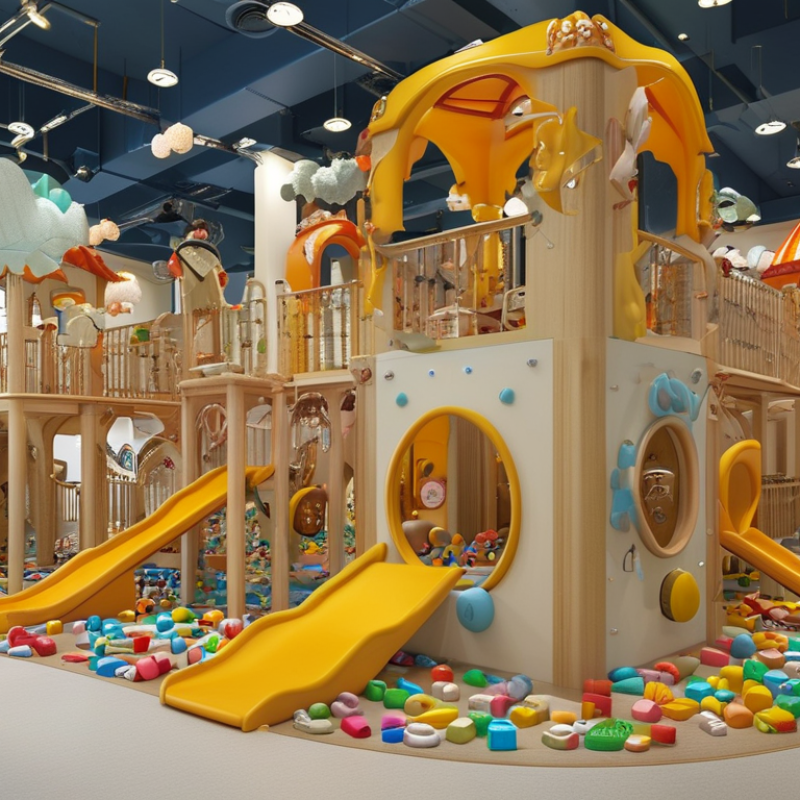
Factors to Consider When Selecting Indoor Playground Equipment
When selecting indoor playground equipment for kids, several important factors come into play. Safety should always be a top concern. Look for equipment made from durable, non-toxic materials. Check for sharp edges and small parts that could pose a choking hazard. Soft surfaces underneath the equipment can help prevent injuries during falls.
Age-appropriate design is crucial. Equipment should cater to the specific age groups of children using it. For toddlers, smaller structures and gentle slides are ideal. Older kids may prefer more challenging climbing structures and obstacle courses. Observing children at play can provide insight into what they enjoy.
Space availability is another key factor. Measure your area to ensure the equipment fits well and allows for movement. Crowded spaces can lead to accidents and frustration. Additionally, consider maintenance needs. Equipment that requires frequent repairs may not be the best choice for long-term use. Take time to research and reflect on these factors, ensuring that the selected equipment fosters safe and enjoyable play.
Types of Indoor Playground Equipment Suitable for Different Age Groups
When selecting indoor playground equipment, age-appropriate options are paramount. Younger children, typically ages 1-3, benefit from soft play items. These include padded structures and simple climbing features. According to the International Playground Equipment Manufacturers Association (IPEMA), such equipment helps develop motor skills and spatial awareness.
For kids aged 4-8, more complex structures become suitable. Climbing walls, slides, and small obstacle courses foster confidence and physical challenges. A study from the National Association for Sport and Physical Education (NASPE) shows that structured play enhances social skills and cooperation among peers. These features keep children engaged while promoting physical fitness.
As children approach 9 years and older, the focus shifts again. Activities like ball pits, interactive games, and challenging climbing frames cater to their growing need for adventure. It’s important to note that while older kids seek excitement, equipment must ensure safety. Many parents overlook safety ratings and fall heights. According to a report by the Consumer Product Safety Commission (CPSC), inadequate supervision or safety measures can lead to injuries.
Evaluating equipment for age appropriateness and safety is essential for any indoor playground.
Safety Standards and Guidelines for Indoor Playground Equipment
When choosing indoor playground equipment, safety should always come first. Understanding safety standards is essential for any facility. The Consumer Product Safety Commission (CPSC) offers guidelines for maintaining safe play environments. These guidelines cover everything from material selection to proper installation techniques. Ensuring your equipment meets these standards helps reduce injury risks.
Adequate cushioning plays a critical role in safety. Equipment should have soft landings, such as mats or foam floors. This prevents serious injuries during falls or missteps. Regular inspections are necessary to check for wear and tear. Broken components or loose parts can create hazards.
Moreover, consider the age appropriateness of each piece. Equipment designed for older children may pose risks to younger ones. Zones for different age groups can help manage this issue. Regular training for staff on safety protocols is vital. They should know how to address potential dangers immediately. Balancing fun and safety is challenging, but it’s essential for a secure play space.
Design Features That Enhance Play and Learning Experiences
When choosing indoor playground equipment, it's essential to focus on design features that enhance both play and learning experiences. According to a study published by the American Journal of Play, children benefit significantly from environments that stimulate physical activity and imaginative play. Equipment that includes climbing structures, slides, and interactive panels can foster both motor skills and cognitive development. For example, climbing engages major muscle groups and promotes coordination, while slide activities encourage social interactions.
Safety is paramount in playground design. Reports show that nearly 45% of playground injuries are due to falls. Ensuring equipment is age-appropriate and surfaces are cushioned can mitigate risk. Incorporating soft materials, such as foam padding, is advisable. Creative designs can come with obstacles that challenge children, but they must not sacrifice safety. Furthermore, features providing sensory stimulation, like textured surfaces or sound panels, can enhance learning while allowing children to explore creatively.
It’s crucial to engage with parents and educators during the planning phase. Their insights can identify gaps in traditional designs that may overlook specific learning needs. Continuous reflection on how equipment serves diverse age groups and interests is vital. Collaboration with child development specialists can also refine design elements, ensuring that every piece of equipment aids in growth and engagement. Indoor play areas should always evolve, adapting to the changing needs of children.
Budgeting Tips for Purchasing Indoor Playground Equipment
When budgeting for indoor playground equipment, it's essential to define your goals. Consider how many kids will use the space. More children often means larger installations, which can increase costs. Think about age suitability, safety features, and maintenance needs. For example, soft play areas may require different budgeting than climbing structures.
Research different options before making a decision. Compare prices but look beyond just the lowest option. Quality and durability are crucial. Cheaper equipment might lead to repairs and replacements later on. Also, consider shipping and installation costs, which can add to your budget.
You might want to save money by purchasing used equipment. However, ensure that it meets safety standards. Check for any signs of wear and tear. Be cautious — not all second-hand equipment is reliable. In this process, it's vital to balance cost with quality to make a satisfying choice for your kids.