How to Choose the Best Filtration Screens for Your Needs?
Choosing the right Filtration Screens is crucial for effective filtration. These screens come in various materials, sizes, and designs. Understanding your specific needs can help you make an informed decision. Filtration screens must match their intended application, whether in industrial settings or home water systems.
Consider the flow rate and particle size in your environment. Different screens offer varying levels of filtration efficiency. It’s essential to analyze what you need. Not every screen will suit every situation. Take time to research options available in the market. Even minor details can impact performance.
Evaluate the reputation of manufacturers. Reliable brands often provide better quality and consistency in filtration screens. Additionally, user reviews can offer valuable insights. However, remember that not everything works perfectly for every scenario. Reflect on past experiences with filtration options—both good and bad. This can guide you in choosing the best filtration screens for your needs.
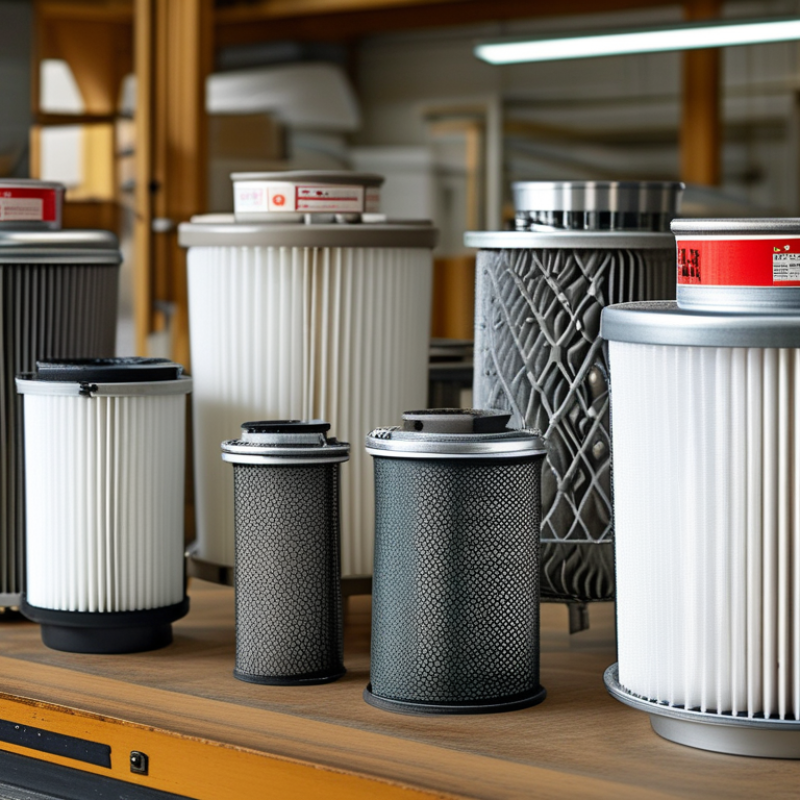
Understanding Filtration Screens: Purpose and Applications
Filtration screens play a crucial role in various industries. They separate solid particles from liquids or gases. This process ensures product purity and operational efficiency. Different applications require different types of filtration screens. Knowing the specific purpose is essential for choosing the right one.
In manufacturing, for instance, filtration screens help maintain equipment. They protect pumps and valves from debris. In water treatment, they ensure clean water by capturing contaminants. Selecting the right mesh size can significantly impact the outcome. A too coarse screen might allow unwanted particles to pass. Conversely, a too fine screen can slow down flow rates.
It is important to evaluate your needs carefully. Consider factors like the type of material being filtered. Also, think about the operating conditions. Not all filtration screens perform equally under different environments. Regular maintenance checks are necessary for optimal performance. Understand that the perfect choice may vary over time. Experimentation might be needed to find the ideal fit.
How to Choose the Best Filtration Screens for Your Needs?
| Screen Type | Mesh Size (microns) | Material | Applications | Advantages |
| Woven Wire Screens | 10 - 200 | Stainless Steel | Mining, Quarrying | Durability, High Precision |
| Perforated Plates | 500 - 2000 | Aluminum | Food Processing | Lightweight, Easy to Clean |
| Polyester Mesh Screens | 1 - 100 | Polyester | Water Treatment | Corrosion Resistant |
| Nylon Screens | 5 - 150 | Nylon | Chemical Filtration | Flexible, Lightweight |
| Foam Filters | 50 - 400 | Polyurethane | HVAC Systems | High Airflow, Lightweight |
Types of Filtration Screens: A Comprehensive Overview
When selecting filtration screens, understanding the types available is crucial. Filtration screens often vary in design and material, impacting their effectiveness for specific applications. Common types include woven mesh, perforated plates, and synthetic filters. Each serves a unique purpose, catering to different environments and fluid types. Woven mesh screens are suitable for precise filtration tasks. Perforated plates, on the other hand, offer sturdy support and larger openings for bulk filtration.
Tips for choosing the right screen: Always consider the flow rate. A screen that restricts flow can cause issues. Also, think about the materials in your environment. Some screens cannot withstand harsh chemicals. Evaluate your needs carefully to ensure optimal performance.
Remember, the ideal filtration screen may not always be obvious. It’s wise to test different options. Seek advice from experts or review reliable sources to gain insights. An informed choice can make a substantial impact on longevity and efficiency.
Key Factors to Consider When Selecting Filtration Screens
When selecting filtration screens, several key factors come into play. The first is the mesh size. Different applications require different levels of filtration efficiency. For instance, a study by the Filtration and Separation Association shows that a finer mesh can remove particles as small as 1 micron. However, this can lead to a higher pressure drop, affecting flow rates.
Next, consider the material. Stainless steel is durable and resistant to corrosion, making it ideal for harsh environments. However, it may not be cost-effective for all applications. A report from the American Filtration Society reveals that polymer-based screens, while potentially less durable, can be more suited for particular chemical applications due to their resistance to degradation.
Another aspect to ponder is the flow rate requirements. If the filtration system is designed for high flow, a balance must be struck between screen efficiency and the potential for clogging. Some industries report up to a 30% increase in maintenance costs due to incorrect screen selection. Therefore, understanding your system’s needs is vital.
Assessing Material Compatibility for Optimal Filtration Performance
When selecting filtration screens, material compatibility is crucial. Different materials react differently to various substances. This tendency can affect performance and longevity. Not all screens are designed to withstand harsh chemicals or extreme temperatures. For optimal filtration, assess what you intend to filter.
Consider the types of fluids or particles involved. If you're filtering harmful substances, a material that can resist corrosion is essential. Stainless steel offers durability for many applications, but it may not be the best choice for all scenarios. Sometimes, plastics like polyethylene might serve better in specific contexts. Always consult materials' data sheets for insights.
Testing is often underestimated. Conducting trials with different materials can reveal unexpected challenges. A screen that works smoothly in theory might falter under real-life conditions. Keep an open mind about adjustments. Learning from failures is part of the process. Adapting your choices based on performance feedback is key to achieving effective filtration.
Filtration Performance Comparison Based on Material Compatibility
This chart illustrates the filtration performance percentage of various materials used in filtration screens. The data reflects the effectiveness of each material in terms of particle retention and flow rate.
Maintenance Tips for Prolonging the Life of Filtration Screens
Maintaining filtration screens is crucial for optimal performance. Regular cleaning is one of the simplest yet most effective maintenance tasks. Depending on usage, screens may get clogged with debris. A buildup can reduce flow efficiency. It's beneficial to inspect the screens weekly. Make a habit of checking for visible dirt and sludge.
Proper storage of filtration screens is also essential. When not in use, store them in a dry, clean area. Humidity and dust can lead to deterioration. Furthermore, consider training staff on handling screens delicately. Mishandling can cause physical damage. Consider using a schedule for replacement, as even durable screens have a lifespan. This can prevent sudden failures.
Documentation is key. Record maintenance activities, including cleaning dates and performance issues. This helps identify patterns over time. Regular evaluations can inform better decision-making. Reflecting on past maintenance practices can highlight areas for improvement. Though it may seem tedious, this attention to detail significantly prolongs the lifespan of your filtration screens.