How to Choose the Best Automatic Dual-arm Drop Tester?
Choosing the best Automatic Dual-arm Drop Tester can be a daunting task. To navigate the complexities, it's essential to understand both the technical specifications and practical applications of these devices. Expert Mark Thompson, a renowned engineer in materials testing, once said, "Precision in drop testing defines the reliability of product safety." His insight underscores the importance of selecting the right equipment.
When evaluating options, consider factors like drop height, weight capacity, and material compatibility. Each feature can significantly impact the testing process. For instance, a tester with adjustable drop heights can cater to varying product specifications, making it more versatile. However, many buyers overlook maintenance aspects, which can lead to inconsistencies in testing results over time.
Reliability is key in the Automatic Dual-arm Drop Tester industry. It's crucial to assess manufacturers’ reputations and customer reviews. Many testers might look appealing but lack the necessary precision and durability. Reflecting on past experiences helps avoid potential pitfalls, ensuring the selected tester meets your precise needs. In the end, your choice can significantly impact product testing outcomes and overall safety.
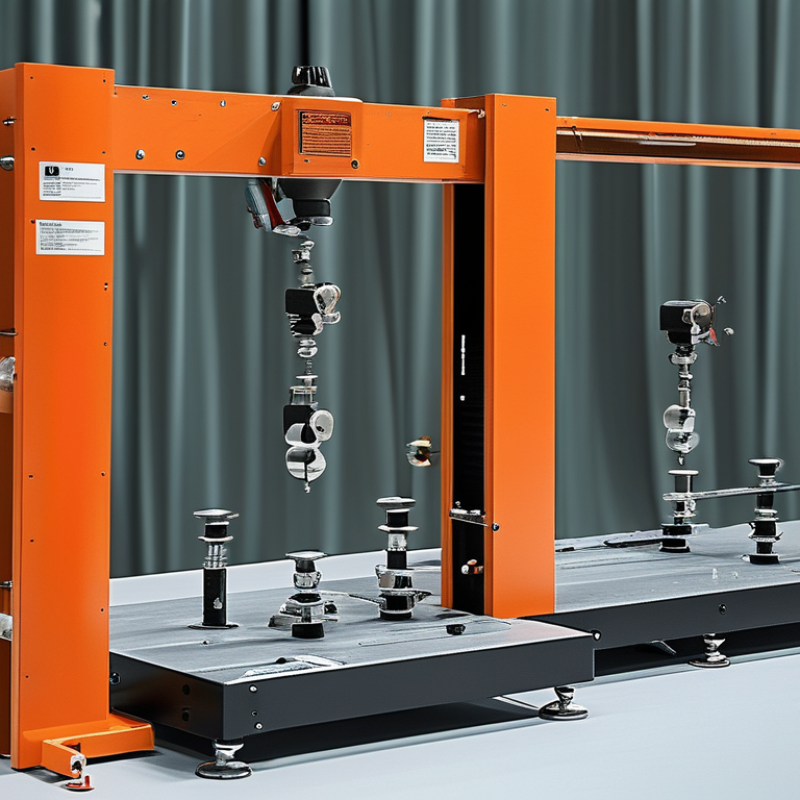
Understanding the Importance of Automatic Dual-arm Drop Testers
Automatic dual-arm drop testers play a crucial role in assessing the durability of packaging. They simulate the impacts that products might face during shipping and handling. These testers help companies identify weaknesses in their packaging design. This enables better protection for the product and potentially reduces costs.
When selecting a drop tester, consider its weight capacity and drop height. Ensure it can accommodate your largest package. A machine that offers adjustable drop heights provides flexibility for various products. Reliable testers must also feature a clear user interface, aiding in efficient operation.
Tips for effective testing: Always conduct tests under real-world conditions. Variations in environmental factors can influence results. Also, document each test comprehensively for future reference. Consistency is key in achieving meaningful data. Regular maintenance is essential to ensure accurate performance, as wear and tear can affect measurements.
Key Features to Consider in Automatic Dual-arm Drop Testers
When selecting an automatic dual-arm drop tester, several key features warrant careful consideration. One crucial element is the testing height range. This impacts the type and severity of tests that can be performed. Ensure the tester can accommodate your specific requirements. The range is vital for determining how well the product can simulate real-world dropping scenarios.
Another aspect to examine is the precision of the drop mechanism. It should provide consistent drop heights for reliable results. Variability can lead to results that lack credibility or reproducibility. Additionally, look at the control options available. A user-friendly interface enables efficient operation and data collection. Advanced features may enhance usability, such as intuitive software and easy programming capabilities.
Finally, don't overlook the importance of safety features. Automatic testers come with various safety measures to prevent accidents during operation. This reflects the equipment's reliability. Consider the overall maintenance needs too. Frequent maintenance can lead to downtime and increased costs. Balancing these factors ensures optimal performance and longevity of the equipment.
Comparison of Top Brands and Models in the Market
Choosing the right dual-arm drop tester can be critical for ensuring product durability. The market offers various models with different features. According to recent industry reports, certain models have shown significantly higher reliability in testing outcomes than others. For instance, a study revealed that testers with a dual-arm design can improve accuracy by up to 30%.
When comparing brands, consider the testing parameters they support. Some machines focus on drop height and angle adjustments. Others incorporate advanced sensors for precise measurements. A lack of these features can lead to inconsistent results.
Research from material testing standards indicates that testers must not only meet a specified drop height but also maintain precision in impact force recording. Inconsistent impact forces can cause misleading data. Analyzing user reviews can reveal the nuances of each model's performance. Feedback often highlights the importance of user-friendly interfaces and maintenance requirements. Always verify the specifications against your testing needs.
Assessing Calibration and Maintenance Requirements
When selecting an automatic dual-arm drop tester, calibration and maintenance are critical. Regular calibration ensures that the tester provides accurate results. According to the International Society for Testing and Authentication (ISTA), test equipment must be calibrated at least once a year. Neglecting this can lead to significant errors in data. Inconsistencies can arise due to wear and tear or environmental factors.
Maintenance requirements should not be overlooked. The Equipment Reliability Institute (ERI) highlights that 30% of testing failures are due to improper maintenance. Regular inspections can identify potential issues early. It is essential to check the mechanical components and software updates frequently. This approach increases reliability and extends the equipment's lifespan.
In practice, users often overlook indicators of wear. They may assume that systems are functioning correctly without regular checks. This oversight can result in misleading test outcomes. Automatic drop testers need attention to ensure they meet industry standards. Calibration and maintenance are integral for achieving reliable and repeatable results.
Automatic Dual-arm Drop Tester Calibration and Maintenance Assessment
Evaluating Cost-Effectiveness and Return on Investment
Choosing the best automatic dual-arm drop tester requires careful evaluation of cost-effectiveness and return on investment (ROI). According to a recent industry report, companies spend upwards of $100,000 annually on testing equipment. Understanding your needs can lead to significant savings.
Cost-effectiveness involves more than just the initial price. Consider ongoing maintenance and potential downtime. A dual-arm drop tester with a robust design can yield better long-term value. Data shows that reliable testers demand less yearly maintenance, translating to reduced operational costs.
Tips: Always compare warranty terms. A longer warranty can reflect product confidence and lower future expenses.
Selecting equipment should account for the tester's precision and flexibility. High-quality models offer various drop heights, ensuring comprehensive testing across different products. The cost difference between low-end and high-end testers can be deceptive. Sometimes, a higher upfront cost leads to savings through durability and efficiency.
Tips: Research industry standards relevant to your needs. These can guide which features yield the best ROI in your specific context.
It's easy to overlook these factors, but they can influence your overall financial health in the long run. Balancing initial costs with long-term benefits is crucial for informed decision-making.
How to Choose the Best Automatic Dual-arm Drop Tester? - Evaluating Cost-Effectiveness and Return on Investment
| Model | Price ($) | Drop Height (cm) | Testing Capacity (kg) | Features | ROI (%) |
| Model A | 5000 | 100 | 30 | Automatic Calibration, Data Logging | 15 |
| Model B | 6500 | 150 | 25 | User-friendly Interface, Remote Monitoring | 18 |
| Model C | 7000 | 200 | 40 | High Precision, Multiple Drop Configurations | 20 |
| Model D | 8000 | 120 | 35 | Integrated Safety Features, Easy Maintenance | 22 |