How to Choose the Best Pe-Xa Pipe for Your Needs?
Choosing the right Pe-Xa Pipe can be a daunting task. With various options available, understanding your needs is crucial. As industry expert Dr. Mark Thompson states, “Selecting the best Pe-Xa Pipe requires careful consideration of project requirements and environmental factors.”
Pe-Xa Pipes are known for their durability and flexibility. They excel in both residential and commercial applications. However, not all Pe-Xa Pipes are created equal. Individual specifications can greatly affect performance and longevity. Assessing insulation, pressure ratings, and compatibility with existing systems is vital.
Many users overlook the importance of these details. This can lead to costly mistakes. The right Pe-Xa Pipe saves time and money in the long run. Conduct thorough research and consult professionals when in doubt. Balancing quality and cost is essential to making an informed choice. The right pipe can significantly impact project success.
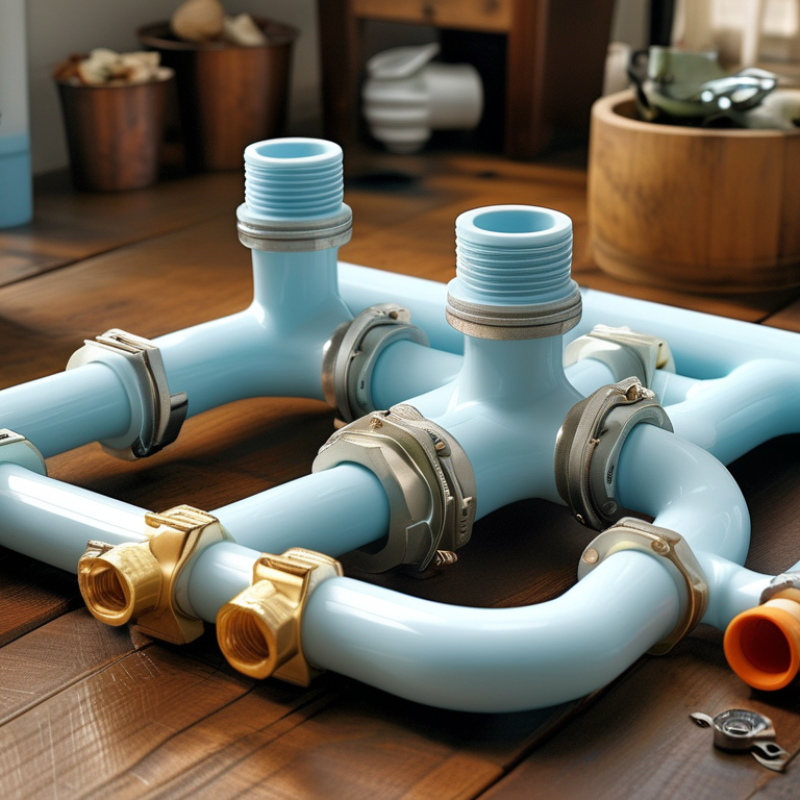
Understanding Pe-Xa Pipes: Definition and Characteristics
PE-Xa pipes are an evolution in piping technology. They are a type of cross-linked polyethylene that offers excellent thermal and chemical resistance. Understanding these pipes helps in making informed choices for various applications, especially in plumbing and heating systems.
One key characteristic of PE-Xa pipes is their flexibility. This flexibility allows for easier installation, especially in tight spaces. They can be bent without special fittings. However, not all situations may benefit from this flexibility. If pipes are installed incorrectly, they may not perform well in extreme temperatures.
PE-Xa pipes are also resistant to scaling and corrosion. This makes them ideal for hot water systems. On the downside, they can degrade under UV light. Proper installation often involves insulation or covering. Each project could present unique challenges, as not all environments are the same. Careful consideration is essential for optimal usage.
How to Choose the Best Pe-Xa Pipe for Your Needs?
| Characteristics | Description | Best Use Cases |
| Material | Crosslinked polyethylene (PEX) | Residential plumbing, heating systems |
| Temperature Resistance | Up to 200°F (93°C) | Hot water systems |
| Flexibility | Highly flexible, can bend easily | Tight spaces and retrofitting |
| Corrosion Resistance | Resistant to rust and corrosion | Water supply systems |
| Installation | Easily installed with various fitting types | DIY projects, quick installations |
| Durability | Long-lasting, can withstand high pressure | Commercial and residential plumbing |
Key Factors to Consider When Choosing Pe-Xa Pipes
Choosing the right Pe-Xa pipe for your projects involves understanding several critical factors. These pipes offer excellent resistance to temperature and pressure, making them suitable for diverse applications. However, not all Pe-Xa pipes are created equal.
One key factor is the pipe's radius of curvature. According to industry reports, pipes with a tight radius can enhance flexibility but may compromise pressure ratings at extreme angles. Look for pipes that can maintain their integrity while bending. Additionally, the temperature range is crucial. Pe-Xa pipes can typically handle a temperature range from -40°C to 95°C. Understanding your system's temperature requirements helps ensure longevity.
Another aspect is the size and compatibility with fittings. Different wall thicknesses can affect flow rates significantly. Data from engineering studies indicate that a thicker wall can reduce the flow but increase durability. Always assess both the application's specific needs and the pressure ratings provided by the manufacturer. Choosing an unsuitable size can lead to failures and costly repairs.
Comparing Pe-Xa Pipe Variants: Size, Pressure Ratings, and Applications
When selecting the best PE-Xa pipes, understanding the size, pressure ratings, and applications is crucial. PE-Xa pipes are versatile, with sizes ranging from 16mm to 32mm commonly available. Each size serves different functions, such as residential plumbing or industrial applications. Using the right size impacts flow rates significantly. According to industry reports, a 20mm pipe can safely handle pressures up to 10 bar, ideal for typical household use, while larger sizes can accommodate higher demands.
Pressure ratings differ across variants and applications. For instance, PE-Xa pipes suitable for heating systems often feature higher pressure ratings. These pipes can resist temperatures over 90°C, making them suitable for hot water distribution. However, not all installations require high ratings. In some scenarios, overestimating pressure needs can lead to unnecessary costs. Choosing the correct pressure rating directly affects longevity and efficiency.
Applications vary widely based on the specific characteristics of the pipe. For instance, some installations may prioritize flexibility for easier bending and fitting in tight spaces. In contrast, others may require rigidity to withstand external pressures. Not all PE-Xa pipes are created equal, and some projects may highlight design flaws that require reevaluation. Thus, understanding the nuances of each variant is essential for optimal performance.
Comparison of PE-Xa Pipe Variants
This chart compares the pressure ratings of various PE-Xa pipe diameters. As the diameter increases, the pressure rating also tends to increase, which is critical for selecting the appropriate pipe for specific applications.
Installation and Maintenance Tips for Pe-Xa Pipes
When installing PE-Xa pipes, adhering to manufacturer guidelines is crucial. According to the Plastic Pipe and Fittings Association, improper installation can shorten the lifespan of the pipes. To ensure durability, it’s essential to use the right fittings and connectors. Employ pipe supports to prevent sagging. Regularly inspect joints for leaks, as these can cause water damage over time.
Maintenance is often overlooked but is vital. The American Society for Testing and Materials notes that buildup inside pipes can lead to reduced flow. Flushing the system annually can prevent this issue. Additionally, monitoring water quality helps identify problems early. Changes in pressure can indicate blockages or leaks. Utilizing a pressure gauge can be a simple yet effective method for regular checks.
Consider the environment where the pipes operate. Extreme temperatures can affect performance. Insulate pipes in colder climates to prevent freezing. In hot conditions, ensure proper ventilation to minimize heat exposure. Awareness of local factors can influence the longevity and efficiency of your PE-Xa system. Regular assessments will help maintain optimal performance.
Cost Evaluation: Is Pe-Xa the Right Choice for Your Project?
When considering Pe-Xa pipes for your project, cost evaluation is crucial. The average cost of Pe-Xa pipes ranges from $1.50 to $3.00 per linear foot. In comparison to traditional metal pipes, Pe-Xa offers several advantages. Research suggests that Pe-Xa can reduce installation costs by up to 30% due to its lightweight nature.
One important factor to consider is long-term durability. Pe-Xa pipes can withstand high and low temperatures, making them suitable for various environments. According to industry reports, Pe-Xa has a lifespan of over 50 years. This longevity can translate to significant savings over time, as frequent replacements are less likely.
Tip: Always account for additional fittings and installation costs. These can add up, influencing your overall budget.
Quality can vary significantly between manufacturers. Not all Pe-Xa pipes are created equal. Be sure to consult recent reviews or standards before making a decision.
Tip: Look for third-party certifications to ensure that the pipes meet industry standards. This helps in making an informed choice.
In terms of energy efficiency, Pe-Xa pipes offer
reduced thermal conductivity, which helps in maintaining the desired temperature of fluids. This factor can lead to lower energy bills and enhanced project efficiency.