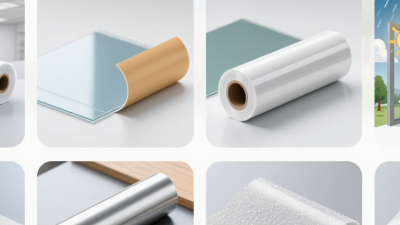
China’s PVC extrusion industry supports construction, furniture, electrical, and automotive supply chains worldwide. Industry reports from Grand View Research and Fortune Business Insights consistently identify Asia-Pacific as the dominant PVC market region. Their forecasts also show continued growth, driven by urban construction, renovation, and lightweight material demand. However, market figures differ by scope, product definition, and reporting year. That matters.
This guide examines China’s Top 10 PVC Extruded Profiles Manufacturers through practical procurement criteria, not publicity alone. The review considers extrusion capacity, die-making control, material consistency, surface finishing, customization, and export experience. A reliable supplier should explain resin grades, stabilizer systems, wall-thickness tolerances, and batch inspection methods. Small details count. A clean profile corner, stable color, and accurate 2.4-meter length can prevent costly installation problems.
Technical credibility also requires verifiable evidence. Relevant standards may include ISO 9001 for quality management, ISO 527 for tensile testing, and EN 12608 when profiles serve window and door applications. Buyers should request test reports, production samples, and references from comparable projects. Independent laboratory results are stronger than catalogue claims. The list is not a permanent verdict. Manufacturing conditions, energy costs, recycled-content policies, and export performance can change quickly. Some rankings may also reflect incomplete public information. Therefore, this overview offers a structured starting point for supplier comparison, while encouraging readers to verify certifications, factory capabilities, and current quotations before placing an order.
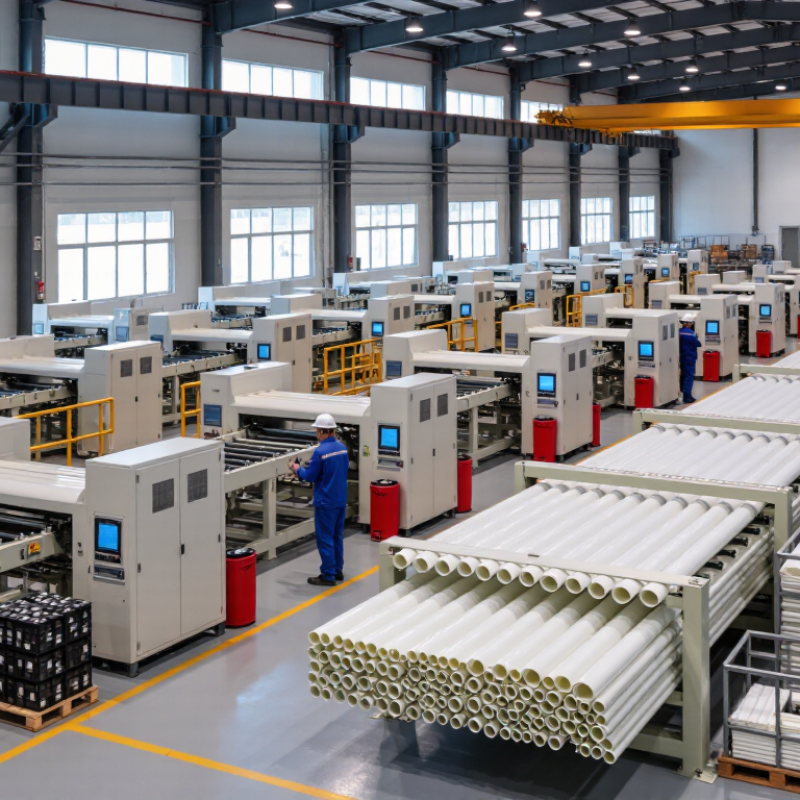
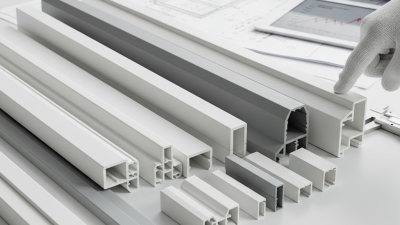
China’s PVC extruded profiles industry covers window frames, door systems, wall panels, skirting, cable ducts, seals, and technical channels. Profiles are produced through rigid or flexible PVC extrusion, followed by cutting, drilling, printing, or co-extrusion. Grand View Research valued the global PVC market at approximately USD 40.8 billion in 2023, with construction remaining a major demand sector. China’s large building-material supply chain supports extensive profile production and export capacity.
A practical review of the top ten Chinese manufacturers should examine more than factory size. Key indicators include extrusion-line capacity, dimensional tolerance, impact strength, weather resistance, recycled content, and quality-control records. ISO 9001 certification can support process consistency, but it does not guarantee every batch. That distinction matters. The European Commission’s construction-products framework also places attention on declared performance, traceability, and chemical safety.
Chinese suppliers commonly offer custom dies, multiple cavity designs, and color-matching services. Common applications include balcony doors, interior partitions, drainage components, and electrical protection systems.
According to Grand View Research, demand for sustainable PVC solutions is increasing as manufacturers improve recycling and material efficiency. Yet recycled content may affect surface finish and long-term stability. Buyers should request test reports for tensile strength, Vicat softening temperature, UV exposure, and fire performance.
A weakness remains.
Some product catalogues list impressive specifications without showing test conditions. Independent verification is still necessary. Manufacturers with stable tooling, documented inspections, and responsive technical support usually provide more dependable project outcomes.
How to Evaluate China’s PVC Profile Manufacturers
China’s PVC profile sector serves construction, furniture, wiring, and industrial applications. Grand View Research valued the global PVC market at about USD 45 billion in 2023. This scale creates opportunity, but it also creates uneven quality. A serious evaluation should begin with the production site, not a sales brochure.
Request resin specifications, stabilizer details, and batch records. Check whether the factory controls extrusion temperature, cooling speed, and dimensional tolerance. Ask for recent test reports covering impact strength, tensile performance, weathering, and flame behavior. ISO 1163 and ISO 527 provide useful reference points for PVC materials and mechanical testing. The report issuer, test date, sample identity, and method should all be visible. A copied certificate proves little.
Production capacity needs physical evidence. Review the number of extrusion lines, mold-making capability, laboratory equipment, and inspection staff. A factory claiming high output should explain its shift schedule and reject rate. Bureau of Labor Statistics data shows that manufacturing productivity depends heavily on process consistency, not equipment quantity alone. That principle applies here. A polished catalog is not proof. I would also compare samples from three batches, because one excellent sample can mislead. This step feels excessive. It often prevents expensive surprises.
Evaluate export experience through packaging tests, moisture protection, loading photographs, and traceable shipping records. Clarify tolerances in writing, including color variation and length accuracy. The cheapest quotation may hide thinner walls, recycled content, or weak quality control. Ask difficult questions. Good manufacturers should answer with measurements, records, and corrective actions, rather than promises.
This benchmark uses a 100-point evaluation model for PVC extruded profile suppliers. Product quality and compliance receive the highest weighting because dimensional stability, impact performance, weather resistance, and conformity with applicable standards such as GB/T 8814 or EN 12608 are critical for long-term use. Buyers should verify each factor through test reports, production audits, samples, and documented quality-control records rather than relying on supplier claims alone.
China’s Top 10 PVC Extruded Profiles Manufacturers should be assessed through verifiable production evidence, not online visibility alone. Grand View Research estimated the global PVC market at about USD 45.8 billion in 2023, with construction remaining a major demand driver. This supports China’s strong position in window frames, doors, wall panels, and technical profiles.
A reliable top-ten comparison should examine extrusion capacity, die-making capability, recycled-content control, and export experience. China’s National Bureau of Statistics reported approximately 74.9 million tonnes of plastic products output in 2023. That scale shows manufacturing strength, but volume alone is not quality. Factory audits should review dimensional tolerances, weld performance, weathering tests, and batch traceability. ISO 9001 certification helps, although certification cannot replace production records.
Look closely at the details.
Leading manufacturers usually operate multi-line extrusion plants with in-house compounding or closely controlled material suppliers. Independent testing under applicable ASTM, EN, or GB standards can verify impact resistance, color stability, and thermal expansion. The China Plastics Processing Industry Association has repeatedly emphasized efficiency, product upgrading, and greener processing in industry reports. However, public rankings remain imperfect because capacity figures and export data are not always disclosed consistently. Buyers should request recent test reports, sample approvals, and shipment references before accepting any “top 10” claim.
| No. | Evaluation Dimension | Relevant Technical Requirement | Typical Industry Reference | Why It Matters |
|---|---|---|---|---|
| 1 | Material Classification | PVC-U or impact-modified PVC-U compound suitable for profile extrusion | ISO 1163-1 terminology; ASTM D1784 compound classification | Confirms that the raw material is appropriate for the intended profile application. |
| 2 | Profile Dimensional Accuracy | Controlled width, height, wall thickness, straightness, and fitting tolerances | Product-specific drawings and applicable regional profile standards | Stable dimensions improve assembly, sealing, appearance, and installation efficiency. |
| 3 | Surface Finish | Uniform color, smoothness, gloss, texture, and freedom from visible extrusion defects | Visual inspection and approved reference samples | Surface consistency directly affects product appearance and customer acceptance. |
| 4 | Mechanical Performance | Verified tensile strength, modulus, impact resistance, and dimensional stability | ISO 527 or ASTM D638 for tensile properties; product-specific impact testing | Adequate mechanical performance supports safe handling, processing, and long-term use. |
| 5 | Weathering Resistance | Resistance to ultraviolet exposure, heat, moisture, and outdoor aging | ISO 4892-2 accelerated weathering methods | Important for exterior profiles used in windows, doors, siding, and construction systems. |
| 6 | Thermal Stability | Resistance to deformation and discoloration during processing and service | Heat reversion, Vicat softening, and application-specific thermal tests | Helps maintain profile shape and performance under changing temperatures. |
| 7 | Fire Performance | Fire behavior and smoke performance evaluated according to the destination market | Applicable national building codes and fire-test classifications | Required for profiles installed in regulated construction and interior applications. |
| 8 | Production Capability | Suitable extruders, calibrated tooling, cooling systems, haul-off equipment, and cutting lines | Verified equipment list, production samples, and quality records | Determines whether a supplier can consistently produce complex or customized profiles. |
| 9 | Quality Management | Documented inspection, batch traceability, corrective action, and final release procedures | ISO 9001-based quality management practices | Reliable quality systems reduce batch variation and support repeat purchasing. |
| 10 | Export and Customization Support | Technical drawings, tooling development, packaging, documentation, and shipment coordination | Purchaser specifications, Incoterms, packaging requirements, and destination regulations | Strong technical and logistics support shortens project lead times and lowers procurement risk. |
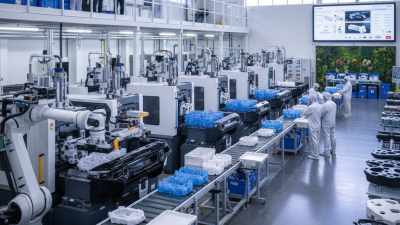
China’s top PVC extruded profile manufacturers serve construction, furniture, transport, and industrial markets. Their key products include window frames, door sections, wall panels, cable ducts, skirting boards, and custom seals. Many factories use twin-screw extrusion lines, automatic temperature control, and online dimensional inspection. These systems improve surface finish and profile consistency.
Product quality still depends on more than machinery. Experienced manufacturers adjust stabilizers, impact modifiers, pigments, and fillers for each application. Co-extrusion can combine rigid PVC with a softer sealing layer. Some facilities also use recycled material in controlled ratios. That choice requires careful testing, because excessive recycled content may reduce strength or color stability. Samples should be checked for warping, shrinkage, weld strength, and UV resistance.
Tips: Request a complete technical data sheet. Compare test methods, not only values. Ask for production samples from different batches. A glossy sample can hide uneven wall thickness. Confirm tooling ownership, tolerance control, and packaging protection before ordering. No supplier is perfect; transparent corrective records often reveal more than polished presentations.
Leading manufacturers commonly support custom tooling and short-run development. Applications range from energy-saving building envelopes to warehouse partitions and interior trim. For outdoor profiles, weathering tests and color retention data are essential. For electrical uses, insulation performance and flame behavior need independent verification. Buyers should also review installation conditions, local standards, and expected service life. A lower price may look attractive, but unstable dimensions can create costly fitting problems later.
When comparing China’s top ten PVC extruded profile manufacturers, quality should begin with process evidence, not catalog photographs. In factory audits, I would inspect resin traceability, extrusion records, calibration control, and batch sampling. Profiles for windows, cable channels, or edge protection need stable dimensions, clean surfaces, and consistent color. Ask for test data on impact strength, heat resistance, weathering, and flame performance where relevant. Small details matter. A two-meter profile should not twist noticeably after cooling.
Customization separates a capable supplier from a convenient reseller. Engineers should review drawings, wall thickness, draft angles, hardness, and installation loads before cutting tooling. Reliable manufacturers provide trial samples, tolerance reports, and revision control. They should explain how additives affect flexibility, UV life, and recyclability. Some suppliers promise every finish. That promise deserves checking. A sample may look accurate yet fail during drilling, bending, or outdoor exposure. Evaluation should include repeat orders, not only first-article approval.
Compliance and export capability reveal operational maturity. Request material declarations, quality certificates, inspection procedures, and documents matching the destination market. Claims require verification because paperwork can age faster than plastic. Export-ready suppliers use protective packaging, clear carton marks, moisture control, and dependable container planning. They should also handle invoices, packing lists, and agreed Incoterms without repeated corrections. No factory is perfect. The useful question is whether it reports defects honestly and fixes root causes.