China Top 10 Hot Water Absorption Chiller Manufacturers
Choosing among China’s top 10 Hot Water Absorption Chiller manufacturers takes more than comparing catalog capacity. These systems turn available heat into cooling, making them useful where hot water comes from industrial processes, district energy, or solar thermal installations. Yet performance depends on the whole site. Water temperature, seasonal load, cooling-tower conditions, and operating hours all matter.
A practical takeaway from Professor Keith E. Herold’s technical work on absorption chillers is: “Match the chiller to the available heat source and the real cooling load.” This is a paraphrase, not a verbatim quotation. Herold co-authored Absorption Chillers and Heat Pumps, a technical reference in the field. The point is simple. Details matter.
This guide compares Chinese manufacturers through practical selection factors, including machine capacity, heat-source requirements, efficiency data, controls, certifications, and after-sales support. Buyers should request performance figures at their own design conditions, not rely on a single headline COP. Ask how the unit behaves when inlet-water temperature changes, and who can supply replacement parts years later. Factory experience can be reassuring, but it does not replace project-specific references or clear service commitments.
Some details remain hard to compare. Manufacturers may publish different test conditions, so apparent rankings can mislead. Use this list as a starting point, then verify claims directly with suppliers and independent engineers. A careful shortlist beats a rushed purchase.
What Hot Water Absorption Chillers Are and How They Work
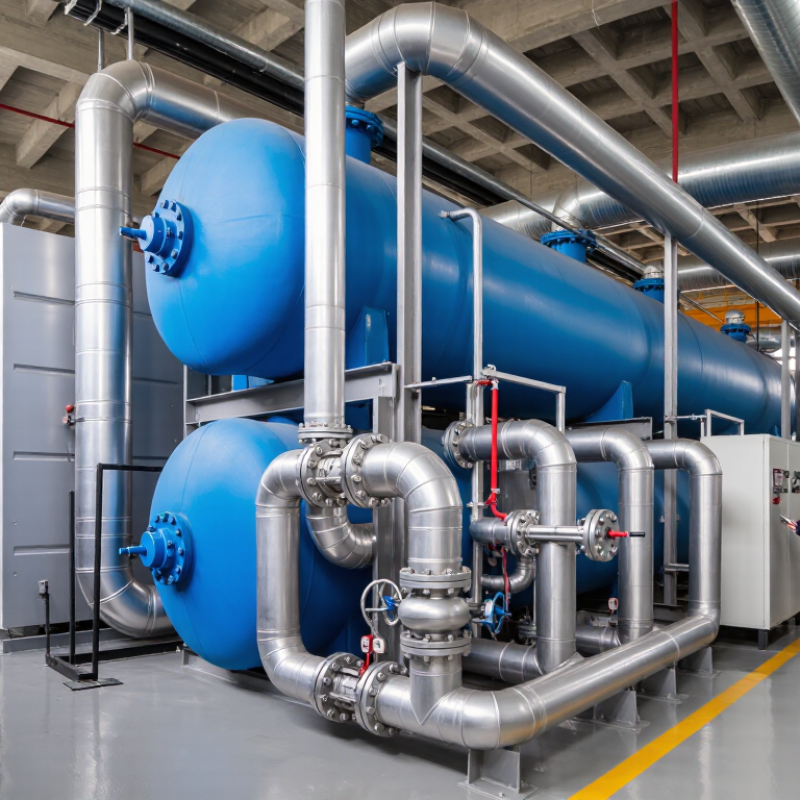
A hot water absorption chiller uses heat to produce chilled water. In a common lithium bromide–water cycle, hot water warms the generator and separates refrigerant vapor from the absorbent solution. The vapor then condenses, evaporates at low pressure, and absorbs heat from the building’s chilled-water loop. The absorbent captures the vapor, and a small pump returns the solution to the generator. No large mechanical compressor is needed.
The International Energy Agency’s 2018 report, The Future of Cooling, estimates that space-cooling demand could triple by 2050. It also reports that air conditioners and fans use about 20% of electricity in buildings worldwide. Using recovered heat or solar-heated water can reduce demand for compressor-driven cooling, but performance depends on water temperature, cooling-water conditions, and system design. Heat is not free. A poorly matched heat source can leave the chiller underperforming; real sites do not always match ideal calculations.
Tips: Check the available hot-water temperature and flow before sizing equipment. Keep cooling-tower water clean, and monitor chilled-water temperatures during changing loads. Record actual operating data. Small measurement errors matter.
Typical Thermal COP Ranges of Absorption Chillers
Thermal COP is the cooling output divided by the heat input. Single-effect chillers are commonly suited to lower-temperature hot-water heat sources; double-effect systems can achieve higher COP but require a higher-temperature heat source. Actual performance varies with operating conditions and equipment design.
Key Criteria for Evaluating Chinese Chiller Manufacturers
For a hot-water absorption chiller, a headline COP is not enough. Compare thermal COP only at identical hot-water inlet, cooling-water, chilled-water, and load conditions. Ask for certified performance curves, witnessed factory acceptance tests, and part-load results. The IEA’s 2018 report, The Future of Cooling, projects more than threefold growth in global space-cooling energy demand by 2050. That makes verified efficiency and dependable operation practical purchasing criteria, not brochure details.
Inspect vacuum-leak records, solution-sampling procedures, heat-exchanger materials, and alarm controls. Ask for reference installations with operating hours, not just shipment totals; cooling-tower conditions at a humid site can expose poor system matching. AHRI Standard 560 provides a recognized rating framework for absorption water-chilling and water-heating packages. Confirm that the offered test follows its applicable scope. Small details matter. Yet no paper test fully predicts field performance. Request service-response times, spare-parts lead times, and warranty exclusions in writing. A clean datasheet may still leave unanswered questions about seasonal efficiency and maintenance. That gap deserves honest discussion.
Profiles of Ten Leading Hot Water Absorption Chiller Manufacturers in China
China’s hot-water absorption chiller manufacturers serve buildings, factories, and district energy systems where usable heat can replace some compressor electricity. A meaningful profile of ten leading suppliers should compare more than rated cooling capacity. Check heat-source temperature, thermal COP, part-load control, water quality requirements, and local service coverage. Small details matter: a stable outlet temperature on a humid afternoon can be more useful than an impressive catalogue figure.
ASHRAE’s Handbook—HVAC Systems and Equipment describes single-effect absorption chillers with typical thermal COPs around 0.6–0.8; actual performance depends on operating conditions and design. That benchmark helps buyers compare stated figures carefully. The International Energy Agency’s The Future of Cooling reports that global energy demand for space cooling could more than triple by 2050 under its stated scenario. Waste-heat cooling is not a universal answer. Heat availability is seasonal, and poor integration can weaken project economics.
Across ten manufacturer profiles, useful evidence includes tested performance curves, reference installations, commissioning records, and spare-parts response times. Ask for measured results at the site’s actual hot-water temperatures, not only standard test conditions. Look closely at controls, too. They matter. A candid comparison should note where public data is missing; polished brochures do not prove long-term reliability.
Comparing Product Range, Capacity, and Technical Support
Comparing hot water absorption chiller manufacturers means looking beyond catalog size. Product range matters because projects may need different capacities, heat-source temperatures, or cooling-water arrangements. A supplier offering several configurations may fit a plant better than one offering only a standard unit. Still, a wider range does not automatically mean better engineering.
Capacity figures need context. Check the stated cooling output alongside hot-water inlet temperature, flow rate, and expected operating conditions. Ask how performance changes when the heat source varies during the day. A chiller rated for a large load may not be the best choice if it runs inefficiently at partial load. Small details matter. Request performance data at conditions close to your site, not only at a headline rating.
Technical support can shape long-term reliability. Compare commissioning guidance, operator training, spare-parts availability, and response times for service requests. Ask who handles troubleshooting and what information they need when an alarm appears. A clear support process is useful. Yet promises in a proposal may not reflect the experience of every installation, so references and service details deserve a careful review. No comparison is perfect; project conditions and local service access can change the result.
Applications and Market Trends in China's Hot Water Chiller Sector
In China, hot water absorption chillers are gaining attention where cooling demand overlaps with usable heat. Industrial parks may recover hot water from production lines, engines, or combined heat and power systems. The recovered heat drives the chiller, supplying chilled water for workshops, offices, or process equipment. Useful, when the temperatures match.
Hospitals, hotels, and large public buildings can also use these systems alongside boilers or solar thermal loops. A hotel, for example, may route hot water through an absorption unit during summer and use the chilled water for guest rooms. This can reduce reliance on electric compressors during peak hours. But performance depends on stable heat input, cooling-water temperature, and careful system sizing. The equipment is not a plug-in fix.
Market interest is shifting toward waste-heat recovery, lower-carbon campus energy, and controls that coordinate chillers with other plant equipment. Retrofit projects need close attention to pipe routes, available space, and cooling-tower capacity. Operators should track heat consumption, chilled-water output, and seasonal efficiency, not just rated capacity. Data can be patchy, and real sites rarely behave like design models. That deserves more scrutiny. A sound project starts with measured operating conditions and a realistic maintenance plan.