

China Top Rigid PVC Applications and Innovations in the Industry?
In the rapidly evolving landscape of the rigid PVC industry, innovations play a crucial role. Experts are keenly observing trends and advancements. Dr. Emily Chen, a leading authority in polymer engineering, notes, "Rigid PVC is becoming the backbone of several modern applications." This highlights its growing significance.
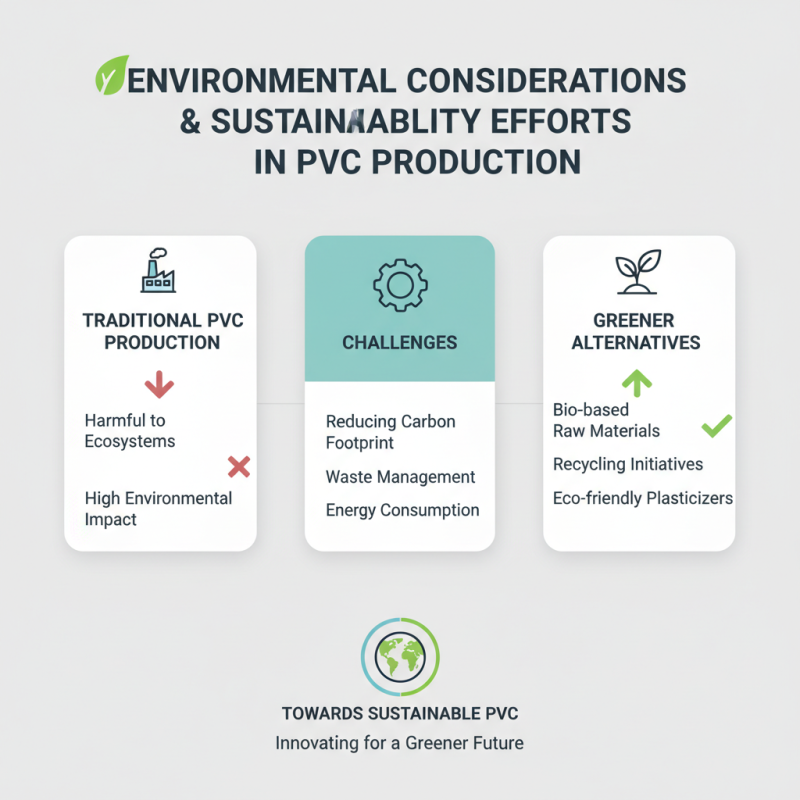
In China, the applications of rigid PVC are diverse. It is widely used in construction, packaging, and consumer goods. The material's durability and versatility make it a top choice. However, the industry faces challenges. For instance, environmental concerns about PVC production and disposal are pressing issues. Companies must address these to maintain credibility.
Moreover, the push for sustainable practices is reshaping the industry. Some manufacturers are exploring bio-based alternatives. Yet, these innovations often come with trade-offs. Balancing sustainability with performance remains a complex task. The future of rigid PVC in China will depend on overcoming these hurdles while leveraging its strengths. This is an exciting yet demanding time for all involved.
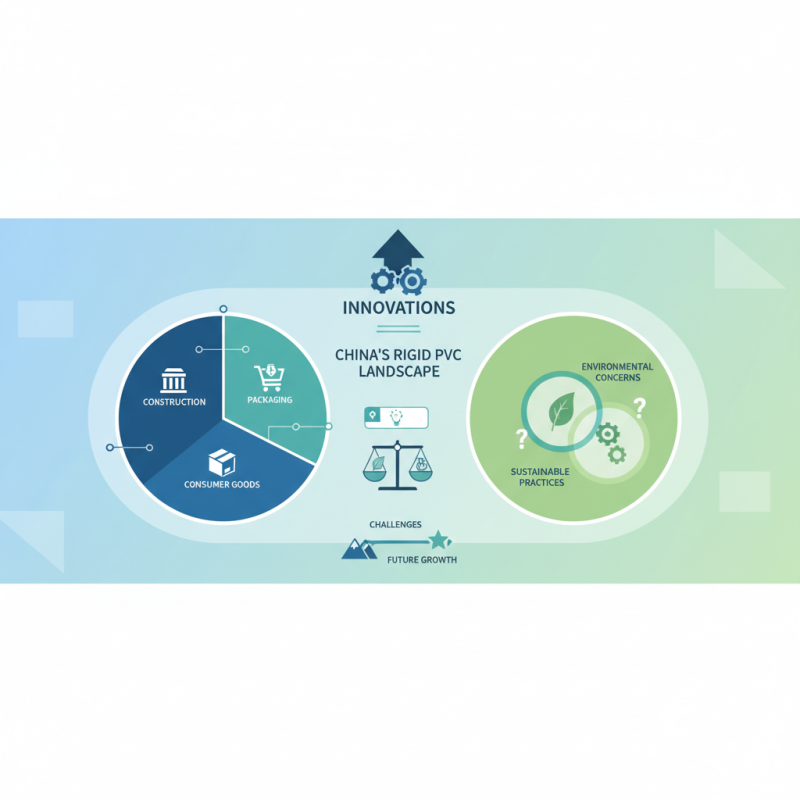
Table of Contents
[Hide]
Overview of Rigid PVC and Its Industrial Significance in China
Rigid PVC has emerged as a critical material in various industrial applications within China. Its versatility drives growth in several sectors, including construction, packaging, and medical devices. This thermoplastic is known for its durability, chemical resistance, and cost-effectiveness. In the building industry, rigid PVC is extensively used for pipes, profiles, and window frames. These applications highlight its significance in improving structural integrity and energy efficiency.
Tips: Consider using recycled rigid PVC when possible. This contributes to sustainability while maintaining quality. Always evaluate the specific requirements of your project to choose the right PVC formulation.
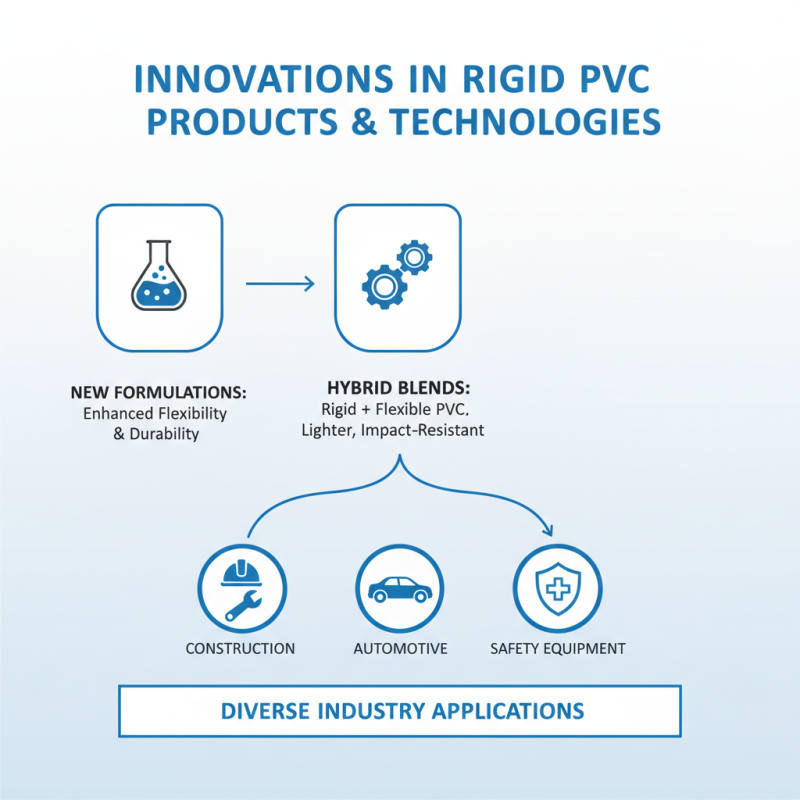
The manufacturing landscape in China is rapidly evolving, with innovation at the heart of rigid PVC applications. Emerging technologies improve processing methods and enhance material properties. Examples include additives that boost performance, such as UV stabilizers for outdoor applications. However, challenges remain. Managing waste and ensuring the safe handling of PVC are ongoing concerns in industry practices.
Tips: Stay informed about the latest innovations in PVC technology. Regularly attending industry conferences can provide valuable insights into best practices and emerging trends. Use experimental methods to assess materials' long-term performance.
China Top Rigid PVC Applications and Innovations in the Industry
| Application | Industry Segment | Market Share (%) | Key Innovations | Growth Potential (%) |
|---|---|---|---|---|
| Piping Systems | Construction | 27 | Improved durability, Recyclable formulations | 5 |
| Window Profiles | Construction | 18 | Energy-efficient designs, Enhanced UV resistance | 7 |
| Medical Packaging | Healthcare | 12 | Biocompatible materials, Antimicrobial coatings | 10 |
| Wire and Cable Insulation | Electrical | 15 | Flame retardant properties, Enhanced flexibility | 6 |
| Furniture and Decorative Applications | Manufacturing | 10 | Eco-friendly finishes, Customizable colors | 8 |
Related Posts
-
10 Best Rigid PVC Applications You Need to Know in 2023
-
The Benefits of Rigid PVC in Modern Manufacturing and Construction?
-
Why is Rigid PVC a Popular Choice for Construction and Manufacturing?
-

2026 Best PVC Vinyl Sheet Options for Your Home and Business?
-
Top 10 Uses of Injection Molding Pellets for Efficient Manufacturing
-
2026 Best Flexible PVC Injection Molding Techniques for Efficient Production?