2026 Best Wastewater Flocculant Options for Effective Treatment?
Wastewater treatment is a critical industry facing significant challenges. The effectiveness of this process often relies on the use of various chemicals, particularly Wastewater Flocculants. These substances help aggregate fine solids, allowing for easier removal. According to a report by Grand View Research, the global water treatment chemicals market is expected to exceed $53 billion by 2025, driven by increasing demand for effective wastewater solutions.
In 2026, selecting the best wastewater flocculant will still be crucial for efficiency. Many industries, from agriculture to manufacturing, generate large volumes of wastewater. The need for effective treatment options is more pressing than ever. However, not all flocculants deliver the promised results. Some may cause post-treatment issues, requiring further evaluation.
Despite advances in technology, choosing the right flocculant remains complex. Industry professionals need to consider factors like composition, effectiveness, and environmental impact. Data suggests that incorrectly formulated wastewater flocculants can lead to sludge disposal problems. Therefore, careful selection and ongoing assessment are essential for sustainable treatment practices.
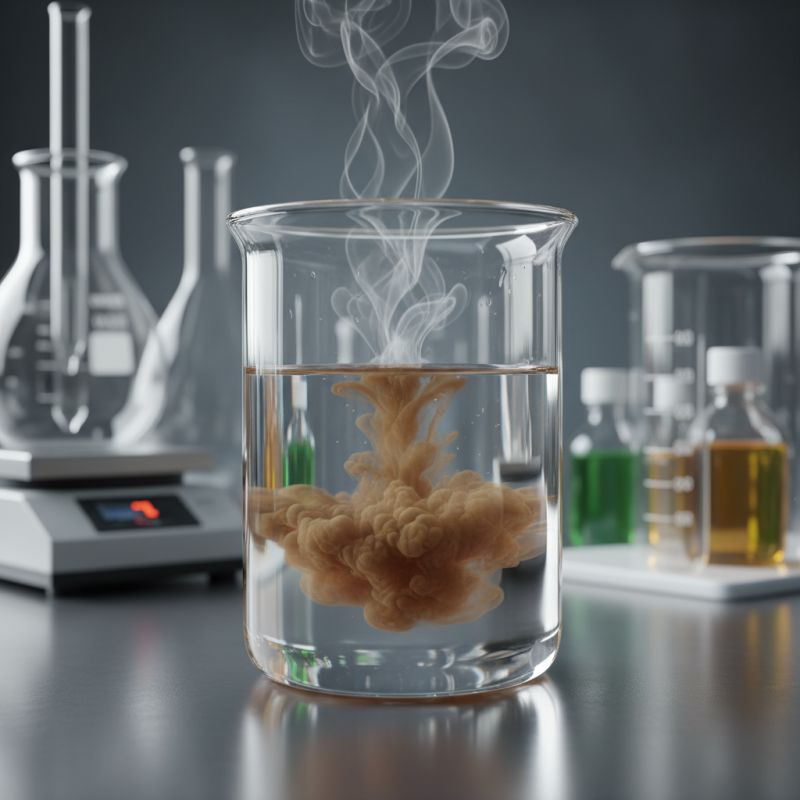
Overview of Wastewater Treatment and the Role of Flocculants
Wastewater treatment is crucial in maintaining environmental health. Flocculants play a vital role in this process. They help to aggregate suspended particles in water, making it easier to remove them. This aggregation leads to larger flocs that settle quickly, improving the overall treatment efficiency.
Different types of flocculants are available, each with specific applications. Natural and synthetic options are common. While natural flocculants are generally safer, they may not always be as effective. Synthetic alternatives can provide faster results. However, they often come with environmental concerns. Finding the right balance is essential and often challenging.
Some facilities struggle to optimize their flocculant usage. This can lead to higher operational costs or inadequate treatment. It's important to analyze the specific needs of the wastewater being treated. Testing and adjustments may be necessary to achieve the best results. Continuous learning and adaptation are key in this ever-evolving field.
2026 Best Wastewater Flocculant Options for Effective Treatment
| Flocculant Type | Application | Dosage (mg/L) | Efficiency (%) | Notes |
| Polymer Flocculants | Municipal Wastewater | 5-20 | 85 | Effective in removing suspended solids |
| Alum | Industrial Wastewater | 20-60 | 80 | Widely used, cost-effective |
| Ferric Chloride | Pulp and Paper Industry | 50-100 | 90 | Excellent for color removal |
| Cationic Starch | Textile Industry | 10-25 | 75 | Biodegradable and eco-friendly |
| Synthetic Flocculants | Mining Waste | 10-50 | 88 | High performance for heavy metals |
Types of Wastewater Flocculants: Organic vs. Inorganic Options
When it comes to wastewater treatment, choosing the right flocculant is crucial. Flocculants help remove suspended solids, improving water quality. Two primary categories exist: organic and inorganic options.
Organic flocculants, derived from natural sources, often prove effective. Examples include polysaccharides and proteins. They tend to be biodegradable and less harmful to the environment. However, their performance can vary based on wastewater characteristics. Sometimes, they may require specific conditions to function optimally.
On the other hand, inorganic flocculants, like aluminum sulfate, work quickly and efficiently. They are often more cost-effective in large-scale applications. Yet, these options can lead to increased sludge production. This may require additional handling and treatment. Striking a balance between efficiency and environmental impact remains a challenge. Selecting the right type involves careful consideration of wastewater needs and treatment goals.
Key Factors in Selecting the Best Flocculant for Specific Treatment Needs
Selecting the right flocculant is crucial for wastewater treatment. Various factors influence this decision. The first consideration is the type of wastewater being treated. Industrial effluents differ greatly from municipal sewage. Each requires specific characteristics in a flocculant.
Another key factor is the environmental conditions of the treatment process. Temperature and pH can affect flocculant performance. Some flocculants work well in cold conditions, while others do better at higher temperatures. Understanding these nuances can lead to more effective treatment.
Finally, cost-effective options should not be overlooked. Sometimes, cheaper flocculants may yield satisfactory results. However, they can also introduce challenges. The balance between cost and efficiency remains an ongoing struggle. Choosing a flocculant is not always straightforward and may require multiple trials to find the optimal solution. Analyzing past performance can provide valuable insights but may lead to uncertainty in new situations.
Top 2026 Flocculant Products for Enhanced Wastewater Treatment Efficiency
Effective wastewater treatment relies heavily on the right flocculant. Flocculants help bind together solid particles, making them easier to remove. In 2026, several options stand out for enhancing treatment efficiency. Each has unique properties to tackle specific challenges in wastewater management.
When selecting a flocculant, consider the type of wastewater you’re dealing with. Different flocculants work better in certain conditions. Some may not perform well in high-turbidity scenarios. This is where testing and adjustments come into play. Always monitor the flocculation process and be prepared to modify your choice if needed.
Tips: Evaluate the pH levels of your wastewater. Some flocculants perform best under specific pH conditions. Additionally, keep an eye on the dosages. Too much flocculant could result in sludge production issues or ineffective treatment. Finding the right balance is crucial. Understand the characteristics of your wastewater for optimal results.
Future Trends in Wastewater Flocculant Development and Application
The future of wastewater flocculant development is intriguing. Emerging trends indicate a shift towards bio-based flocculants. These natural alternatives can reduce environmental impact. They often come from renewable sources, making them a sustainable choice. Researchers are exploring various plant materials, such as starches. These materials can enhance flocculation while being less harmful.
However, challenges remain. The efficiency of bio-based flocculants can vary greatly. Some may work well in specific conditions but fail in others. This inconsistency raises questions about reliability. There's also the issue of cost; they can sometimes be more expensive to produce. Finding the right balance between performance and cost is crucial.
Another trend is the integration of smart technologies in flocculant application. Innovations in sensor technology can optimize dosing. This ensures that the right amount is used at the right time. Such advancements could improve treatment outcomes significantly. Yet, we must consider the learning curve associated with new technologies. Not every facility may be equipped to adapt quickly. This transition requires careful planning and training.