Your Compounder of Choice

Mon - Fri: 8:00 - 16:30 | Sat & Sun: Closed

10 Best PVC Compound Applications You Should Know?

PVC compounds have become integral to various industries, showcasing their versatility and durability. According to Dr. Jane Smith, a leading expert in synthetic materials, "The adaptability of PVC compounds can transform modern manufacturing." Her insights highlight the significance of PVC compounds in today's market.

In construction, PVC compounds create strong and weather-resistant roofing materials. In medical applications, they ensure safe and durable medical devices. These examples illustrate the wide-ranging potential of PVC compounds. Yet, the industry faces challenges. While they offer numerous benefits, the environmental impact of PVC production warrants reflection.

Exploring the top applications of PVC compounds reveals both innovation and areas for improvement. Are we fully aware of the sustainable potential in PVC technology? Addressing these concerns could shape the future of industries reliant on PVC compounds.

10 Best PVC Compound Applications You Should Know?

Introduction to PVC Compounds and Their Versatility

PVC compounds are widely recognized for their versatility in various applications. These materials are formulated using polyvinyl chloride along with additives to enhance their performance. This versatility allows for a broad range of uses, from construction materials to consumer goods. For instance, PVC is frequently used in window frames and pipes due to its durability and resistance to moisture.

In addition to construction, PVC compounds are popular in electrical insulation and medical applications. They can be found in items such as cables, blood bags, and tubing. The compound's ability to be molded into complex shapes makes it suitable for diverse industries. However, while PVC is practical, concerns about environmental impact arise. Recycling this material can be challenging, and alternative options are being explored. This ongoing debate highlights the need for sustainable practices in PVC production and disposal.
10 Best PVC Compound Applications

Key Characteristics and Benefits of PVC Compounds

10 Best PVC Compound Applications You Should Know?

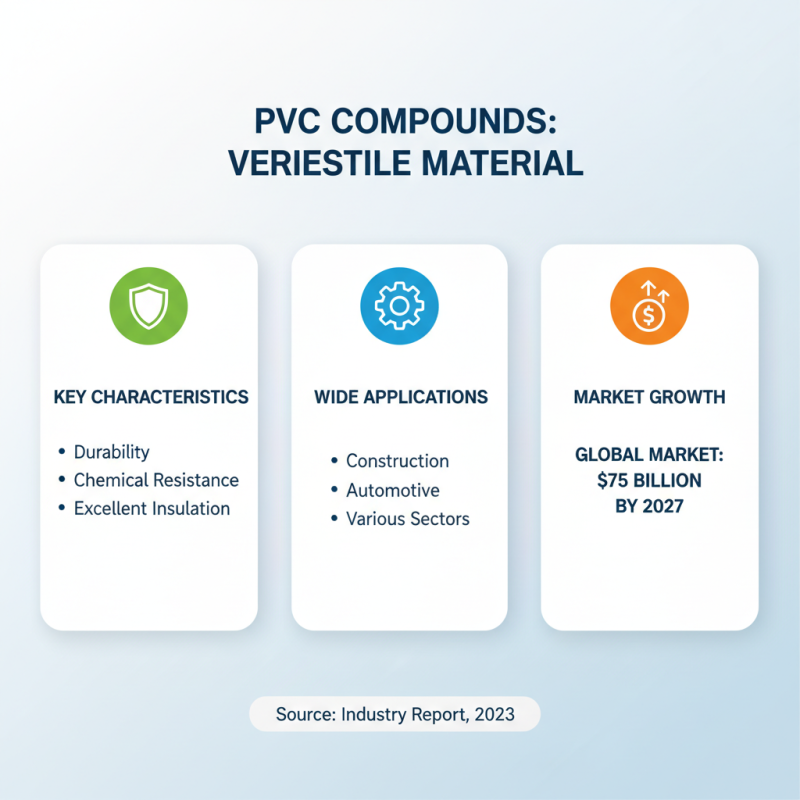
PVC compounds are versatile materials widely used in various applications, from construction to automotive. Their key characteristics include durability, chemical resistance, and excellent insulation properties. According to a recent industry report, the global PVC market is projected to reach $75 billion by 2027, highlighting its growing significance in numerous sectors.

One significant benefit of PVC compounds is their adaptability. They can be easily modified to meet specific requirements. This adaptability leads to enhanced performance in applications like window profiles, pipes, and flooring. The unique formulation of PVC compounds allows them to outperform many other materials in terms of cost-effectiveness and lifespan.

**Tip:** When selecting PVC compounds for your project, consider the environmental impact. Recyclable compounds are now available, reducing waste and promoting sustainability.

However, the use of PVC is not without challenges. Concerns over the release of harmful chemicals during production and disposal remain. It is essential to weigh these factors against the benefits. Make informed choices to ensure sustainability and safety.

Another notable feature of PVC compounds is their weather resistance. They can withstand harsh environmental conditions, making them ideal for outdoor applications. Proper formulations can further enhance their properties, but not all grades are suitable for specific tasks. Always assess your requirements carefully.

**Tip:** Collaborate with experts to choose the right PVC compound for your needs. Doing so can result in higher efficiency and reliability in the long run.

Top Industrial Applications of PVC Compounds

PVC compounds are widely utilized across various industries due to their versatility and cost-effectiveness. One significant application is in the construction sector. A study by Grand View Research indicates that the global PVC market in construction was valued at over $45 billion in 2022. These compounds are integral in making pipes, fittings, and profiles. Pipes made from PVC compounds are resistant to corrosion and so are favored for plumbing and drainage solutions.

Another major industrial application is in automotive manufacturing. PVC compounds are used in multiple vehicle components like door panels and floor mats. According to a report by Smithers, the PVC automotive market is projected to grow by 3% annually. This growth stems from increasing demand for lightweight materials that enhance fuel efficiency. However, there are environmental concerns regarding PVC recycling, which requires attention for sustainable development.

In the packaging industry, PVC compounds play a crucial role in producing flexible films. These films are common in food packaging due to their barrier properties. The global market for PVC in packaging is expected to reach $30 billion by 2025. However, the challenge lies in finding eco-friendly alternatives. With ongoing research, the industry must address sustainability while maintaining performance.

Household Products Made from PVC Compounds

10 Best PVC Compound Applications You Should Know?

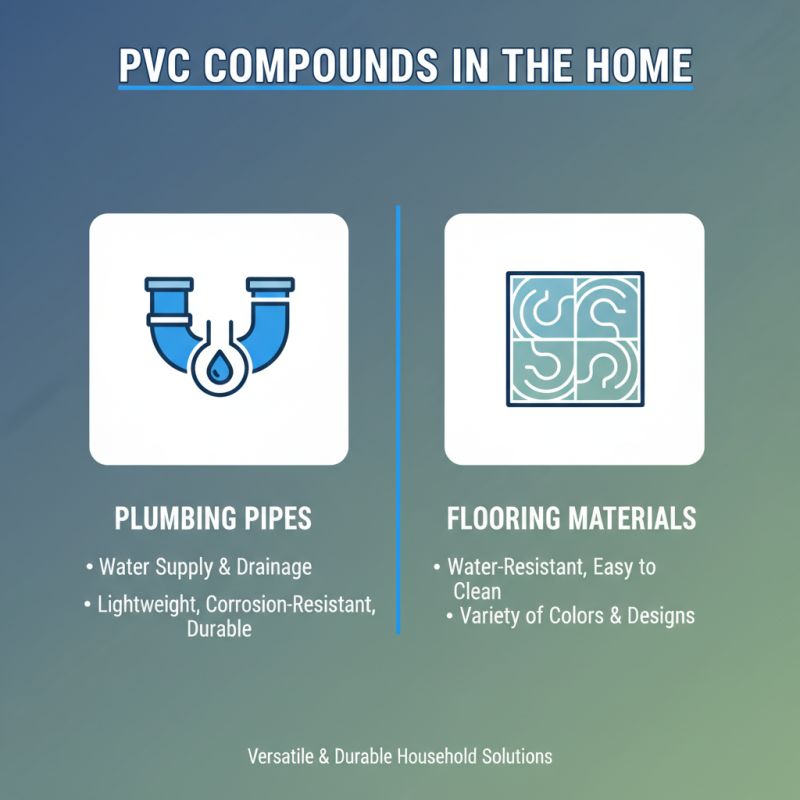
PVC compounds have become increasingly popular in household products due to their versatility and durability. One common application is in plumbing pipes, which offer a reliable solution for water supply and drainage. These pipes are lightweight and resistant to corrosion, making them ideal for long-term use. Another prevalent use of PVC compounds is in flooring materials. They provide an attractive, water-resistant surface that is easy to clean. Homeowners often appreciate the variety of colors and designs available.

In addition to plumbing and flooring, PVC compounds are also used in window frames and doors. These materials can mimic wood's appearance without the high maintenance. However, there are considerations. While PVC is durable, it can become brittle over time, especially when exposed to harsh weather. Users must also think about recycling and disposal, as PVC can take years to break down. But when used with care, PVC products can improve home functionality significantly. The balance between convenience and environmental impact is an ongoing concern.

Innovative Uses of PVC Compounds in Construction and Design

PVC compounds have revolutionized construction and design with their versatility and durability. They are lightweight yet strong, making them ideal for various applications. For instance, pipes made from PVC compounds have a lifespan of over 50 years, according to industry reports. These compounds are also resistant to corrosion, which reduces maintenance costs significantly over time.

In design, PVC is often chosen for flooring and wall coverings. Its ability to mimic wood and stone at a fraction of the cost is appealing to many builders and designers. The global PVC market is projected to reach $70 billion by 2025, reflecting its increasing acceptance in sustainable construction. However, the environmental impact of PVC production raises questions. These concerns urge us to seek better solutions and innovative recycling methods.

**Tip:** Consider using PVC in places where maintenance and installation costs are critical.

While the material is highly useful, improper disposal can lead to significant waste. PVC compounds are not biodegradable. This prompts designers to reflect on sustainable practices. How do we balance functionality with environmental responsibility? Exploring alternative materials or recycling techniques may be necessary for future projects.

**Tip:** Always check local recycling regulations for PVC products.

10 Best PVC Compound Applications You Should Know

Application Description Advantages Common Uses
Pipes and Fittings Widely used for plumbing and water transport. Corrosion-resistant, lightweight, and cost-effective. Residential plumbing, irrigation systems.
Window Profiles Used to create energy-efficient window frames. Excellent insulation properties and durability. Residential and commercial buildings.
Roofing Membranes Applied for waterproof roofing systems. Long-lasting and flexible under extreme weather. Flat roofs of commercial buildings.
Flooring Used in vinyl flooring tiles and sheets. Durable, easy to clean, and available in various designs. Residential, commercial, and healthcare settings.
Electrical Conduits Protection for electrical wiring systems. Non-conductive and resistant to chemicals. Residential and industrial electrical installations.
Fencing Used for durable and low-maintenance fencing solutions. Weather-resistant and available in various styles. Gardens, parks, and residential properties.
Wires and Cables Insulation material for electrical cables. Excellent insulative properties and durability. Electrical and telecommunications systems.
Medical Equipment Used in making medical devices and tubing. Biocompatible and easy to sterilize. IV bags, surgical gloves, and tubing.
Signage Materials for durable and weather-resistant signs. Vibrant colors and easy to work with. Advertising, traffic, and informational signs.
Packaging Used in box and wrap production for goods. Lightweight and offers good barrier protection. Food, electronics, and consumer products.