Best HPMC Uses and Benefits for Your Projects?
Hydroxypropyl Methylcellulose (HPMC) is a versatile compound extensively used in various industries. According to market research, the global HPMC market is projected to reach $4.1 billion by 2025. This growth highlights the increasing demand for HPMC in applications such as construction, pharmaceuticals, and food products.
One of the standout benefits of HPMC is its excellent thickening properties. It acts as an effective emulsifier and binder, enhancing product stability. In the construction industry, HPMC improves mortar workability, resulting in better adhesion for tile and plaster applications. Data shows that HPMC increases the water retention of mortars, leading to more durable structures.
However, there are areas of concern. Some manufacturers struggle with the consistency and quality of their HPMC products. This inconsistency can lead to performance issues in critical projects. Additionally, the rising prices of raw materials may affect long-term sustainability. A thoughtful assessment of HPMC usage can help mitigate such challenges and optimize project outcomes. Understanding HPMC’s full potential can certainly enhance project efficiency and effectiveness.
Overview of HPMC and Its Chemical Properties
Hydroxypropyl Methylcellulose (HPMC) is a versatile compound widely used in various industries. It is a non-ionic cellulose ether known for its thickening, binding, and film-forming properties. Chemically, HPMC is derived from natural cellulose and modified through etherification. This process enhances its solubility in water, making it useful in aqueous formulations. Its white powder form can easily blend with many materials.
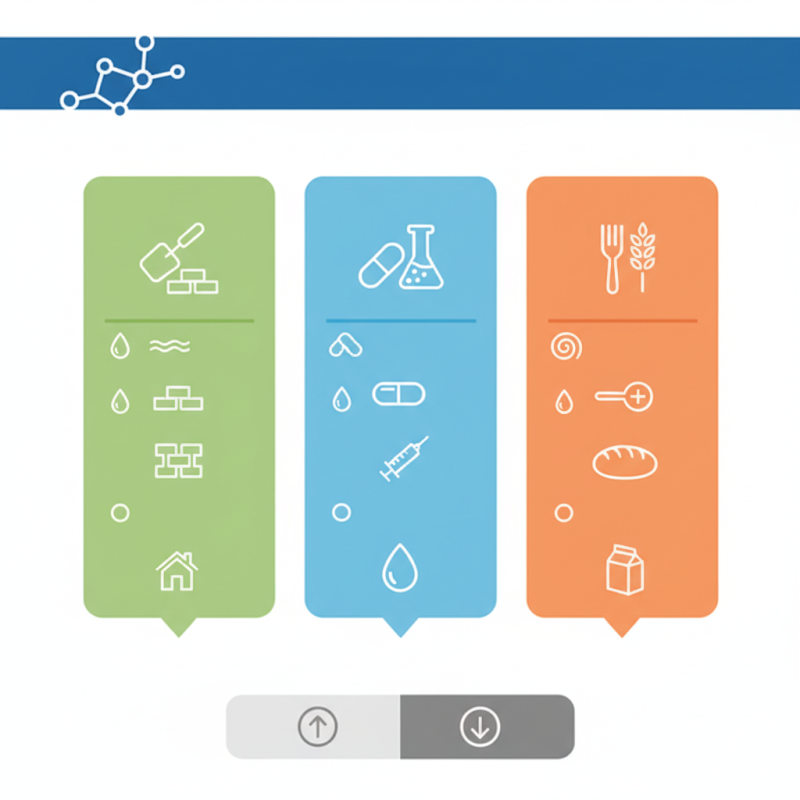
HPMC plays a critical role in construction, pharmaceuticals, and personal care products. In construction, it improves the workability of cement and mortar. It helps retain moisture during the curing process, ensuring better adhesion and strength. In pharmaceuticals, it serves as an excellent excipient, aiding drug formulation. In personal care, it acts as a thickener in cosmetics, providing texture and stability. However, the selection of the right grade of HPMC can be challenging and requires careful consideration.
Users often overlook the drawbacks of HPMC, such as sensitivity to temperature and pH levels. These factors can affect its performance in applications, leading to inconsistencies. It's essential to conduct detailed tests before large-scale use. Experimentation may yield unexpected results, requiring adjustments in formulation. Despite these challenges, HPMC remains a valuable component in many projects, showcasing its adaptability and potential benefits.
Common Applications of HPMC in Construction and Building Materials
Hydroxypropyl Methylcellulose (HPMC) is crucial in construction and building materials. It enhances the performance of various products. HPMC is often used in tile adhesives, mortars, and plasters. In fact, recent industry reports indicate a 20% growth in the HPMC market, driven by its versatile applications.
In tile adhesives, HPMC improves workability. It provides better adhesion and extends open time. This allows for adjustments during installation. According to a study, HPMC contributes to reducing cracking in cement-based materials by 30%. This adds durability and longevity to constructions.
Tip: Make sure to test HPMC blends before full-scale application. Variability in moisture can affect performance. The right ratio is key. In plastering, HPMC aids in achieving smooth finishes and improving water retention. However, not all mixes will suit every project. Regular reviews of mixes can help refine processes.
While HPMC is beneficial, it’s vital to consider the sourcing and quality. Subpar materials can lead to unexpected issues. These could include poor adhesion or uneven drying. Staying informed about industry standards can guide better decisions.
Advantages of Using HPMC in Adhesives and Sealants
HPMC, or Hydroxypropyl Methylcellulose, offers numerous advantages in the formulation of adhesives and sealants. Formulating with HPMC enhances adhesion strength significantly. According to recent industry reports, products containing HPMC showed up to a 30% increase in initial tack. This characteristic is crucial for quick bonding in construction and repair applications.
Additionally, HPMC improves the workability of adhesive mixtures. It provides a creamy consistency, making application easier and reducing the effort required for spreading. Notably, a study revealed that formulations with HPMC maintained consistent viscosity over time. This stability minimizes issues during usage, allowing for better performance in diverse temperatures and humidity levels.
Despite its advantages, relying solely on HPMC isn't without challenges. The hydration process may require careful control. If too much water is added, it can lead to clumping or poor dispersion. Such issues could hinder the overall effectiveness of the adhesive. Therefore, ensuring the correct ratios is essential for optimal performance. Balancing these factors can lead to significant improvements in adhesion and sealant durability.
Best HPMC Uses and Benefits for Your Projects - Advantages of Using HPMC in Adhesives and Sealants
| Use | Benefits | Application Areas |
| Thickening Agent | Improves viscosity and consistency | Adhesives, Sealants |
| Film Forming | Enhances durability and water resistance | Coatings, Paints |
| Binder | Improves adhesion and bonding | Construction materials, Mortars |
| Suspending Agent | Prevents settling of solids in liquid | Cosmetics, Pharmaceuticals |
| Water Retention | Allows moisture retention in mortars | Tile adhesives, Cement-based products |
HPMC's Role in Pharmaceutical and Food Industries
Hydroxypropyl methylcellulose (HPMC) is vital in the pharmaceutical industry. It acts as a binder in tablet formulations. This ensures tablets maintain integrity during manufacturing and storage. HPMC also serves as a thickening agent in liquid medicines, providing a smooth texture and better mouthfeel. Adjusting viscosity can improve the efficacy of certain drugs.
In the food industry, HPMC is equally important. It functions as an emulsifier in sauces and dressings. This creates a uniform mixture that enhances taste and appearance. Additionally, HPMC is used in gluten-free products, offering structure that replaces traditional gluten. The challenge arises when balancing use and cost. Some formulations may require trial and error to achieve the right consistency.
HPMC's versatility comes with its complexities. Not all applications yield the desired results at first try. Thorough testing is essential to understand how HPMC interacts with other ingredients. Adapting formulations may be a repetitive process, but this careful experimentation can lead to optimal outcomes. With the right approach, HPMC can elevate product quality in both industries.
Environmental Benefits of HPMC in Sustainable Projects
Hydroxypropyl Methylcellulose (HPMC) is gaining attention in sustainable projects. It is a versatile ingredient with significant environmental benefits. HPMC is biodegradable and can reduce pollution. This is crucial for green construction practices. Unlike many synthetic additives, HPMC supports eco-friendly development.
One of the key environmental attributes of HPMC is its water-retaining ability. This property helps in conserving water in construction and agriculture. By using HPMC, projects can decrease water consumption. This is especially vital in arid regions. Effective water management leads to healthier ecosystems. Additionally, HPMC enhances the durability of materials. Durable materials contribute to less waste over time.
Tips for using HPMC effectively: Always test HPMC blends before full application. Different projects may need different formulations. Consider combining HPMC with other natural additives for better performance. Don't overlook the importance of adequate training for your team. It’s essential to understand HPMC's properties fully. While HPMC is beneficial, be cautious about sourcing. Not all suppliers follow sustainable practices. Choose wisely to maximize HPMC’s benefits in your project.
Environmental Benefits of HPMC in Sustainable Projects