Top Benefits of VIP Insulation Panels for Your Projects?
In the quest for energy efficiency, the use of VIP Insulation Panels is increasingly recognized. According to Dr. Emily Carter, a leading expert in thermal insulation technology, “VIP Insulation Panels represent the future of energy-efficient building solutions.” These panels offer remarkable thermal resistance packed into a slim profile, addressing challenges in both new constructions and renovations.
VIP Insulation Panels can significantly reduce thermal bridging and improve heating and cooling efficiency. Their lightweight nature makes them easy to handle, yet they maintain excellent structural integrity. With innovative designs, they can be adapted to various applications, from residential homes to commercial buildings. However, considering their relatively high initial cost, it’s essential to assess overall long-term savings on energy bills.
Choosing VIP Insulation Panels involves weighing benefits against potential drawbacks. Not all projects may justify the investment upfront. A careful analysis is vital to ensure that the advantages align with project goals. As the construction industry evolves, so does the need for materials that offer both performance and sustainability. Exploring these benefits can guide decisions for more effective project outcomes.
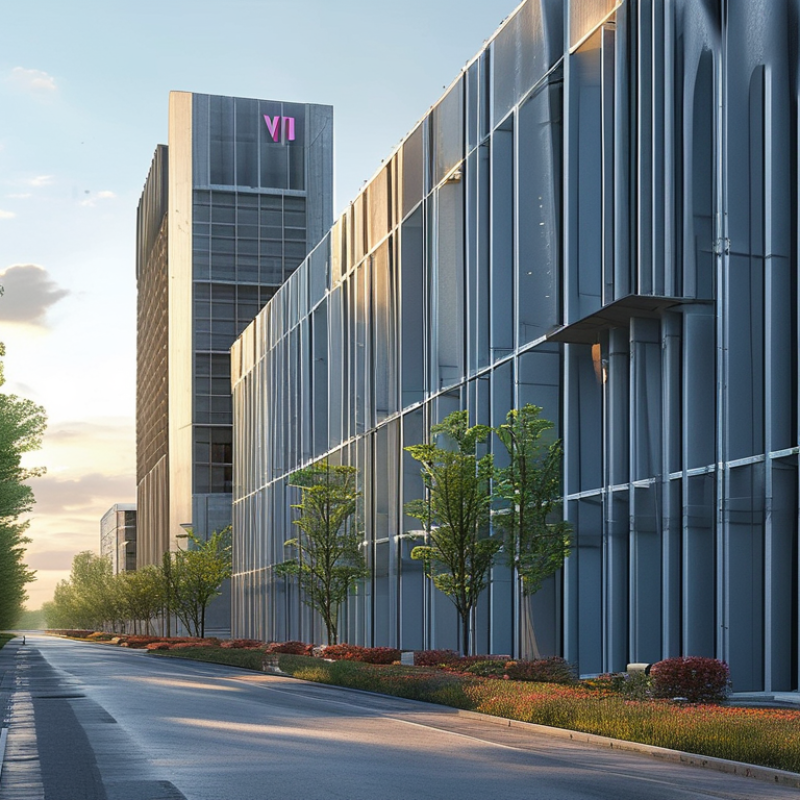
The Role of VIP Insulation Panels in Energy Efficiency Enhancement
VIP insulation panels, or Vacuum Insulation Panels, are gaining attention for their role in energy efficiency. These panels are designed with a vacuum core that significantly reduces thermal conductivity. By minimizing heat loss or gain, VIP panels can greatly enhance the energy performance of buildings. This makes them an excellent choice for construction and renovation projects.
Using VIP panels can lead to substantial energy savings over time. For example, they can decrease heating and cooling demands in residential or commercial spaces. However, the implementation of VIP technology is not without challenges. Proper installation is critical; any breach in the vacuum can reduce the panel's effectiveness. Additionally, while they offer superior insulation, their upfront costs may be higher compared to conventional materials.
It's important to weigh the benefits against potential drawbacks. VIP panels require careful handling during installation. They cannot be cut or modified on-site like other materials. A seamless installation process is essential for achieving optimal energy efficiency. Overall, the advantages of enhancing energy efficiency with VIP insulation panels are compelling. However, ongoing evaluation and a clear understanding of their limitations are equally vital.
Top Benefits of VIP Insulation Panels for Your Projects
The chart above illustrates the various benefits of Vacuum Insulation Panels (VIP) in project applications. Each benefit is rated on a scale from 1 to 10, showcasing their impact on enhancing energy efficiency, saving space, reducing costs, contributing to sustainability, and providing sound insulation. Notably, energy efficiency and sustainability receive the highest ratings, emphasizing their critical roles in modern construction and design.
Comparative Analysis: VIP Insulation vs. Traditional Insulation Materials
When comparing Vacuum Insulation Panels (VIPs) to traditional insulation materials, the efficiency gap is notable. VIPs provide superior thermal performance due to their unique design. Their ability to achieve lower thermal conductivity results in thinner profiles. This can lead to more floor space in buildings, which is often a significant design consideration. However, this advanced technology comes with a higher initial cost, which might deter some project managers.
On the other hand, traditional insulation materials like fiberglass or foam board are more affordable. They are easier to work with and widely available. However, they require more space to reach similar insulation values compared to VIPs. This can lead to bulkier installations that may not fit design constraints. Furthermore, traditional materials often face limitations in long-term performance. Over time, they may settle or degrade, reducing their effectiveness.
While VIPs shine in thermal efficiency, their installation requires careful handling to avoid damage. This vulnerability can complicate logistics on-site. Choosing the right insulation involves balancing initial costs, long-term benefits, and specific project needs. Different projects have unique demands that may lead to different insulation choices. Thus, evaluating the pros and cons is essential for making informed decisions.
Cost-Effectiveness of VIP Insulation Panels in Long-Term Projects
VIP insulation panels offer significant cost savings, especially in long-term projects. According to a report from the International Tile and Stone Association, these panels can reduce energy costs by up to 30% over time. Their superior thermal performance leads to lower heating and cooling expenses. In challenging climates, this can add up to substantial savings.
When choosing insulation, consider the installation process. VIP panels often require specialized handling. This can lead to additional costs initially. However, their long lifespan often compensates for these upfront expenses. A study from the Building Research Establishment highlights that properly installed insulation can last over 50 years without compromising performance.
Tips: Always budget for potential installation challenges. Assess the long-term gains against initial costs. Reevaluate your insulation choices periodically to ensure they meet evolving building standards. In the world of insulation, balancing initial investment with lasting benefits is crucial for sustainable practices.
Top Benefits of VIP Insulation Panels for Your Projects
| Benefit | Description | Cost-Effectiveness | Long-Term Impact |
| Enhanced Thermal Performance | VIP panels provide superior insulation, minimizing heat loss and contributing to energy savings. | High initial investment but significant savings on energy bills over time. | Reduces operational costs and lowers carbon footprint. |
| Space Efficiency | Thin profile allows for more usable space in buildings. | Cost savings on building materials by maximizing space usage. | Increases the value of the property by enhancing usable area. |
| Durability | VIP panels are resistant to moisture and pests, ensuring longevity. | Lower replacement costs over the lifespan of the building. | Minimizes maintenance and repair costs, enhancing long-term project sustainability. |
| Quick Installation | VIP panels are easier and quicker to install compared to traditional insulation materials. | Reduces labor costs and project timelines. | Accelerates project turnover, leading to earlier occupancy and returns. |
Applications of VIP Insulation Panels in Various Industries
VIP insulation panels are gaining traction in various industries due to their superior thermal performance. In construction, they provide exceptional insulation for roofs and walls. This ability to minimize heat transfer translates to reduced energy costs over time.
In the refrigeration sector, VIP insulation panels play a crucial role in maintaining temperature. Cold storage facilities benefit significantly from these panels. They help keep perishables at optimal temperatures, enhancing product longevity. However, installation can be tricky, and improper application might reduce their effectiveness.
The automotive industry is also leveraging VIP insulation panels. These panels contribute to better thermal regulation in vehicles. They also help in noise reduction, creating a more comfortable driving experience. Yet, their higher cost compared to traditional materials raises questions about cost-effectiveness for some manufacturers. Careful consideration and analysis are necessary to find a balance between cost and performance.
Impact of VIP Insulation on Building Regulations and Sustainability Standards
VIP insulation panels, known for their superior thermal resistance, significantly impact building regulations. These panels can achieve R-values exceeding 40, far surpassing traditional insulation materials. According to the U.S. Department of Energy, buildings with appropriate insulation can save up to 30% on energy costs. This cost-saving potential makes VIP insulation a valuable consideration for architects and builders.
Building codes increasingly prioritize sustainability. VIP insulation panels align with this trend by enabling thinner walls while maintaining energy efficiency. The International Energy Conservation Code encourages the use of high-performance insulation to meet net-zero energy goals. However, some critics question the long-term performance of VIP materials, noting the need for proper installation to maximize benefits. It’s essential to weigh these considerations against the ambitious standards set forth in global sustainability frameworks.
Projects utilizing VIP panels may facilitate achieving LEED certification, an important benchmark in green building. The panels contribute to reduced carbon footprints by minimizing energy consumption. Reports indicate that over 40% of energy used in buildings can be attributed to heating and cooling. This statistic highlights the importance of effective insulation. However, reliance solely on VIP insulation without considering climate conditions and building design may lead to unintended failures. Designers must therefore approach each project holistically.