The Benefits of Rigid PVC in Modern Manufacturing and Construction?
In today's fast-paced manufacturing and construction sectors, "rigid PVC" has emerged as a vital material. Known for its durability and versatility, rigid PVC offers numerous advantages. Experts like Dr. Emily Carter, a leading voice in materials engineering, emphasized, "Rigid PVC provides an unmatched balance of strength and flexibility."
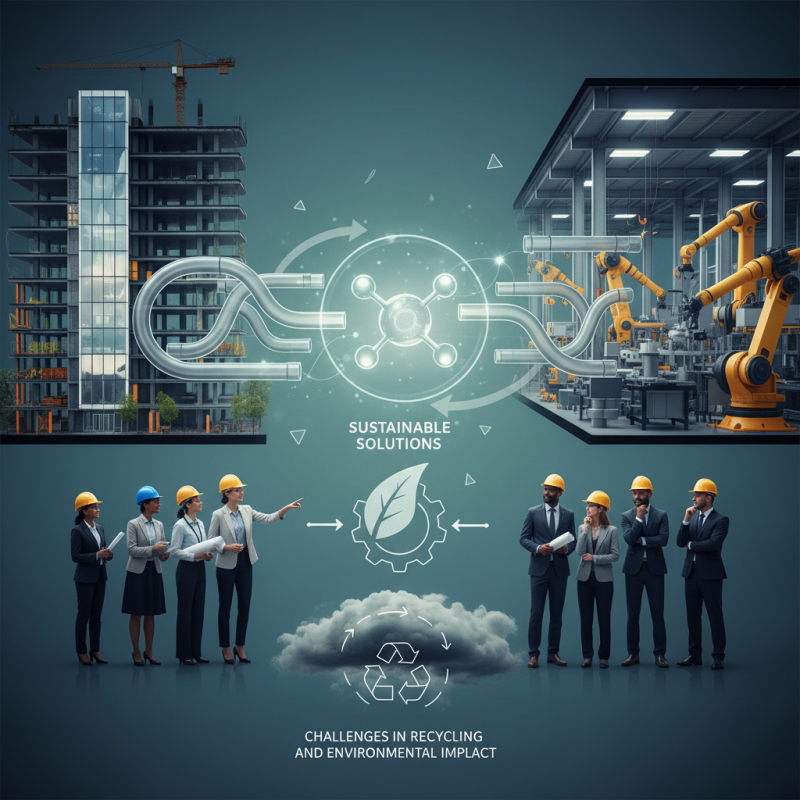
This statement reflects the ever-growing importance of rigid PVC in creating sustainable solutions. In buildings and products, its lightweight nature reduces transportation costs. Yet, there are challenges in recycling and environmental impact that require ongoing attention.
As the industry evolves, embracing both the benefits and drawbacks of rigid PVC is crucial. This balance can inspire innovation while addressing performance concerns. Rigid PVC continues to shape the landscape, but we must push for better practices in its usage.
Overview of Rigid PVC and Its Properties in Manufacturing
Rigid PVC (Polyvinyl Chloride) is gaining traction in the manufacturing and construction sectors. Its strong, durable, and lightweight properties make it a preferred choice. According to the Plastic Pipes Association, rigid PVC has a tensile strength of around 7,500 psi, significantly enhancing structural integrity. This resilience reduces the risk of damage during transport and installation. Additionally, its resistance to chemicals and moisture makes it ideal for creating long-lasting products.
The versatility of rigid PVC opens up various applications. It can be used for windows, doors, and pipes. In fact, a report by Mordor Intelligence indicates that the global PVC market is expected to reach 60 million tons by 2025, reflecting a growing reliance on this material. However, some manufacturers may overlook the environmental impact of PVC production. While we focus on its benefits, we cannot ignore the need for more sustainable practices in production.
Innovations in rigid PVC include energy-efficient designs. Manufacturers are working to optimize energy use during production. The Machinery and Equipment Association noted a reduction in energy consumption by 15% in recent projects. Yet, this area warrants further investigation. Although advancements are encouraging, the lifecycle of rigid PVC remains an open question. Balancing benefits with environmental footprints invites ongoing dialogue.
The Benefits of Rigid PVC in Modern Manufacturing and Construction
| Property |
Description |
Benefits in Manufacturing |
Applications |
| Durability |
Resistance to wear, impact, and chemical exposure. |
Longer lifespan of components and reduced maintenance costs. |
Pipes, fittings, and containers. |
| Lightweight |
Low density compared to other materials. |
Easier handling and transportation, reducing shipping costs. |
Construction materials, signage, and furniture. |
| Cost-Effectiveness |
Competitive pricing and low production costs. |
Economical solution for various applications and projects. |
Window frames, doors, and flooring materials. |
| Versatility |
Can be easily molded and fabricated. |
Allows for a wide range of designs and applications. |
Automotive parts, electrical enclosures, and medical devices. |
| Recyclability |
Can be recycled and reused. |
Decreases environmental impact and promotes sustainability. |
Packaging and construction waste reduction. |
Key Advantages of Rigid PVC in Construction Applications
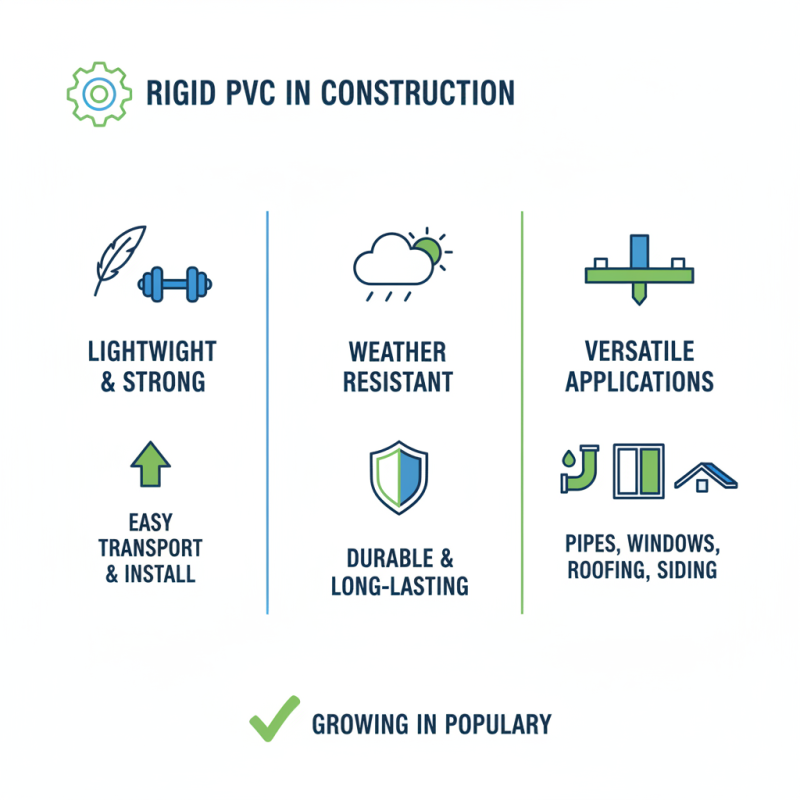
Rigid PVC is increasingly popular in construction applications due to its numerous advantages. It is lightweight yet strong, making it easy to transport and install. Builders often appreciate its resilience in various weather conditions. This durability ensures that structures can withstand the test of time.
Another key benefit of rigid PVC is its resistance to chemicals and corrosion. Unlike metal, it does not rust when exposed to moisture. This makes it ideal for pipes and fittings in plumbing systems. However, it's important to consider how it compares to other materials. Some may argue that other options could be just as effective.
Cost-effectiveness is another significant factor. Rigid PVC is often more affordable than alternatives. It requires less maintenance over its lifespan, leading to long-term savings. Despite its advantages, over-reliance on rigid PVC could hinder innovation. Exploring more sustainable materials might be necessary for the future. Balancing cost with environmental impact remains a challenge for many in the industry.
Comparative Analysis: Rigid PVC vs. Other Materials
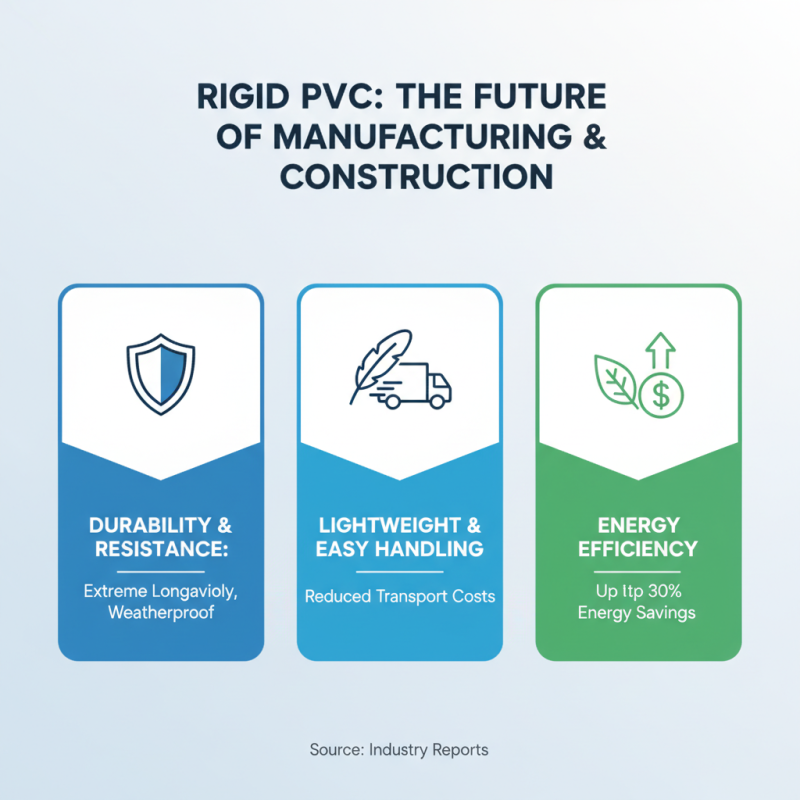
Rigid PVC is gaining traction in modern manufacturing and construction due to its unique properties. It offers excellent durability and resistance to environmental factors. Compared to metals, rigid PVC is lighter and easier to handle, significantly reducing transportation costs. Industry reports indicate that using rigid PVC can lower energy expenses by up to 30% in certain applications.
When looking at rigid PVC alongside other materials like wood or metal, its advantages become apparent. Rigid PVC does not require frequent upkeep like wood. Metal can often be prone to rust and corrosion, which diminishes its lifespan. In contrast, studies show that PVC can last over 50 years with minimal wear. However, some still question its recyclability and environmental impact.
**Tips:**
1. Always consider lifecycle costs when selecting materials.
2. Evaluate application-specific needs to determine the best material choice.
Rigid PVC can sometimes crack in extreme temperatures. While this is a critical point to consider, proper installation techniques can mitigate such issues. Overall, understanding these nuances can greatly influence project success and material selection.
Environmental Impact and Sustainability of Rigid PVC
Rigid PVC, or polyvinyl chloride, has become a staple in manufacturing and construction. Its durability makes it attractive for various applications. However, we must consider its environmental impact. While PVC is recyclable, the process can release harmful chemicals. This poses risks to both human health and ecosystems.
Sustainability discussions surrounding rigid PVC are vital. It is energy-efficient to produce compared to other materials. Yet, the reliance on fossil fuels for production raises concerns. The extraction process can harm natural habitats. We need to reflect on these trade-offs. Are we sacrificing the environment for durability and cost-effectiveness?
The recycling of PVC is not yet widespread. Many facilities are not equipped to handle this process. This limitation leads to increased waste. Alternative materials may be more sustainable. But they might not offer the same durability. The industry faces a challenge: balancing performance with environmental stewardship. How can we innovate without leaving a larger footprint?
The Benefits of Rigid PVC in Modern Manufacturing and Construction
This chart illustrates the key benefits of Rigid PVC in terms of its environmental impact and sustainability in manufacturing and construction. The data reflects the percentage of applications where Rigid PVC is preferred due to its durability, recyclability, and cost-effectiveness.
Innovative Uses of Rigid PVC in Modern Industries
Rigid PVC, or polyvinyl chloride, has several innovative applications in modern industries. Its durability and low maintenance make it a favored material. According to a report by Smithers Pira, the demand for PVC in construction has increased by 4% annually, highlighting its significance. This material is commonly used in piping systems, window frames, and flooring, offering versatility in design and function.
In addition to construction, rigid PVC is transforming the packaging industry. It provides a lightweight yet strong option for containers and packaging materials. Research indicates that PVC packaging can reduce material usage by 20% compared to alternatives. However, these benefits come with considerations, such as environmental impact and recycling challenges. Awareness of these issues is necessary for sustainable practices.
The automotive sector is also embracing rigid PVC. It is utilized in dashboards and interior panels due to its aesthetic potential and resilience. A study noted that using PVC can decrease vehicle weight by up to 10%. Yet, the industry's reliance on PVC prompts questions about its long-term viability. Balancing innovation with responsibility remains essential as industries increasingly turn to rigid PVC for solutions.